




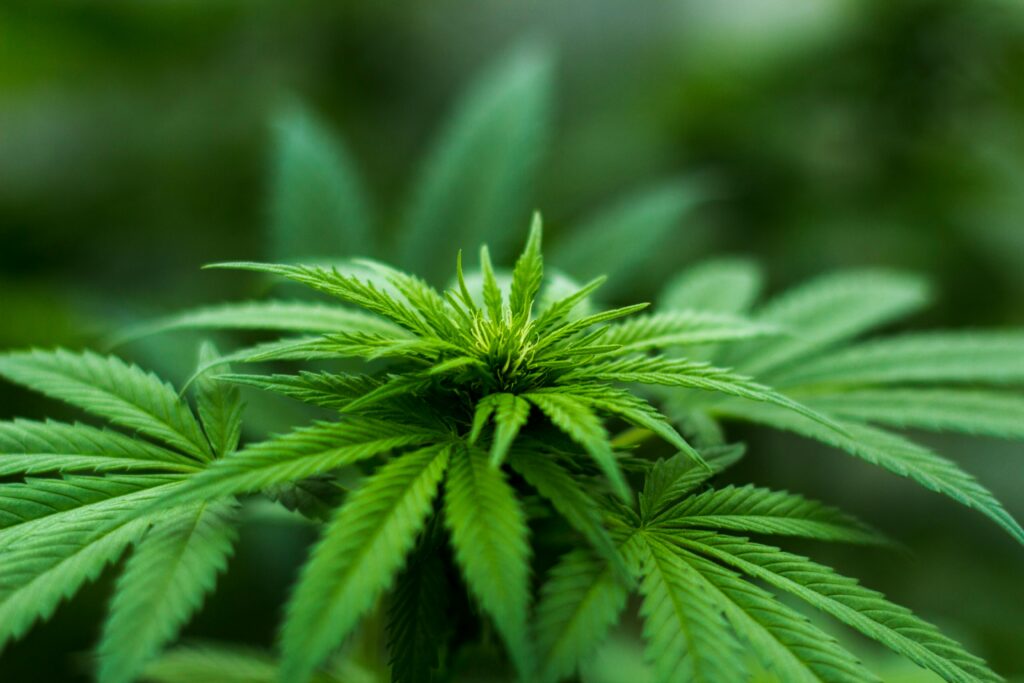
Most growers focus on monoterpenes and sesquiterpenes when planning their cannabis garden. Tetraterpenes remain overlooked despite their significant impact on your cultivar’s visual appeal and market value.
These larger terpene compounds primarily carotenoids like beta-carotene and lycopene directly influence your plant’s pigmentation. They produce the vibrant oranges, yellows, and reds that distinguish premium cultivars from average ones. Beyond aesthetics, tetraterpenes function as powerful antioxidants that protect your plants from oxidative stress during critical growth phases.
Understanding what are cannabis terpenes means recognizing that this complete terpene class affects more than aroma. Tetraterpenes contribute to the entourage effect alongside cannabinoids like Tetrahydrocannabinol (THC) and Cannabidiol (CBD). They support plant health through photoprotection and stress response mechanisms.
This cannabis terpenes guide reveals how tetraterpenes influence cultivar differentiation and consumer preference. Growers who optimize tetraterpene expression achieve enhanced visual profiles and potentially improved cannabinoid-rich yields. Clear science behind every aroma starts with recognizing every terpene class matters—including the ones you can see with your eyes, not just smell with your nose.
Cannabis Terpenes 101: The Foundation Every Grower Needs
Cannabis produces over 120 distinct terpenes that define each cultivar’s unique character. These aromatic compounds form in glandular trichomes alongside cannabinoids, creating the complex profiles that separate exceptional harvests from mediocre ones.
What are cannabis terpenes? They’re organic compounds responsible for strain-specific aroma profiles—from pine and citrus to earth and fuel. Research identifies 61 monoterpenes and 51 sesquiterpenes in Cannabis, each contributing distinct characteristics to your final product.
The benefits of terpenes cannabis extend far beyond fragrance. These compounds work synergistically with THC and CBD through the entourage effect, potentially enhancing therapeutic outcomes and user experiences.
Your terpene profile directly impacts market positioning and consumer satisfaction. Myrcene delivers earthy notes and relaxation associations. Limonene provides citrus brightness with uplifting qualities. Pinene offers forest-fresh aromas tied to alertness.
Successful cultivation requires monitoring environmental factors that influence terpene expression—temperature, light spectrum, nutrient timing, and harvest windows all affect final concentrations. The terpene health benefits your customers seek depend on preserving these volatile compounds through proper post-harvest handling.
Mastering terpene science transforms you from someone who grows Cannabis into a grower who crafts targeted experiences.
What Are Tetraterpenes and How Do They Differ From Common Terpenes
Tetraterpenes are C40 compounds composed of eight isoprene units, making them structurally distinct from the smaller terpenes you encounter daily in your cannabis garden. While monoterpenes contain two isoprene units (C10) and sesquiterpenes contain three (C15), tetraterpenes double the molecular complexity at 40 carbon atoms.
Carotenoids represent the primary tetraterpene class in Cannabis, including beta-carotene, lutein, and zeaxanthin. These pigment molecules feature extended conjugated double-bond systems that absorb specific light wavelengths—the mechanism behind their vibrant coloration.
Your cultivation strategy should account for these molecular differences. Monoterpenes require careful drying temperatures below 70°F to preserve concentrations. Sesquiterpenes tolerate slightly higher processing temperatures. Tetraterpenes remain stable through standard curing protocols but respond dramatically to light spectrum manipulation during vegetative and flowering stages.
This structural hierarchy creates layered complexity—volatile terpenes deliver sensory experience while tetraterpenes establish visual identity and provide antioxidant protection.
The Most Important Terpenes in Cannabis: From Myrcene to Carotenoids
Myrcene dominates U.S. cannabis markets. Limonene, pinene, and caryophyllene each contribute unique therapeutic and aromatic qualities. Tetraterpenes like beta-carotene and lutein complete the terpene spectrum, producing the golden and orange hues of premium cultivars.
You can explore terpene profiles to understand how these compounds interact across different cultivars and growth conditions.
Cultivation Tactics to Maximize Terpene Production
Genetic selection, light spectrum manipulation, temperature control, and nutrient timing all influence terpene expression.
Strategic stress application, proper harvest timing, and correct drying/curing protocols determine how much of your terpene content survives.
Post-Harvest Handling: Protecting Tetraterpenes From Field to Jar
Dry at 60°F with 55–60% RH for 10–14 days. Cure at 59–63% RH. Store below 65°F in opaque containers to protect carotenoid pigments from UV breakdown.
Understanding terpene properties helps you recognize degradation early and preserve quality.
Extraction Methods and Terpene Retention
Hydrocarbon, CO₂, and dual-extraction methods each influence terpene retention. Live resin and flash-freezing help preserve monoterpenes and carotenoids.
Terpene-Driven Product Innovation
Terpene reintroduction, emulsions, and targeted blends now define market-leading cannabis products.
You can explore terpene effects to understand how they shape consumer experience.
Next Steps for Terpene-Focused Growers
Genetics, environment, curing, and storage determine whether your terpene profile reaches its full potential.
Cannabis Terpenes provides strain-specific data that supports breeding and harvest optimization.