




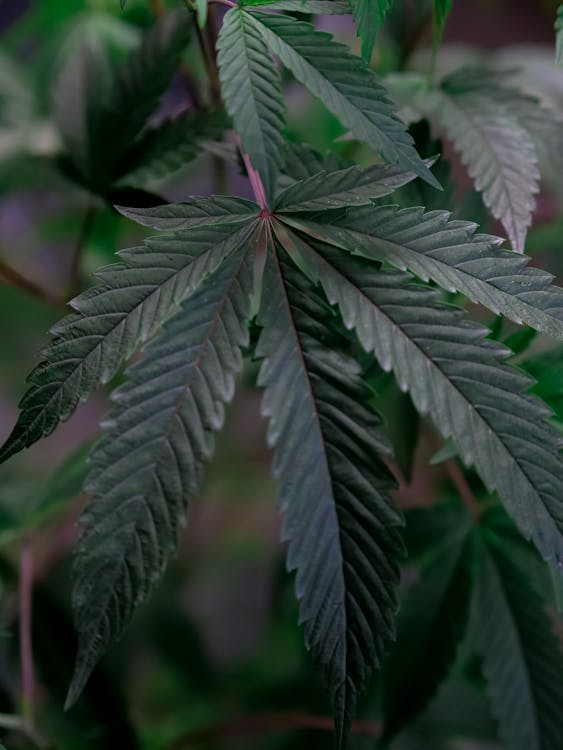
Europe in 2026 is a fascinating patchwork of cannabis laws that range from surprisingly progressive to “please do not even look at a hemp leaf funny.” If you are planning to travel, relocate, or just want to stay informed about where things stand legally, you have come to the right place. We are breaking it down country by country with the actual current picture, not the rose-tinted version you sometimes see shared online.
Fair warning: laws change, enforcement is inconsistent, and this is not legal advice. Always verify current rules before traveling and consult local legal counsel if you need it.
The Netherlands: Still the Classic, But the Rules Have Shifted
Amsterdam has been the bucket-list destination for cannabis tourists for decades. The coffeeshop model is well known, but the nuances often get lost in the postcard version. In 2026, coffeeshops remain legal and operational, but the Dutch government has been rolling out a regulated supply pilot in certain municipalities, meaning the back-door supply paradox (where coffeeshops could sell legally but could not legally source their stock) is slowly being addressed.
For visitors, the experience in the coffeeshop circuit is much the same: you can purchase and consume cannabis on licensed premises, possession of small amounts for personal use is tolerated, and growing a few plants at home sits in a legal grey zone rather than active prosecution territory. The Netherlands is not full legalization, but it remains one of the most practical places in Europe for adult cannabis consumers.
Germany: The Big Story of the Last Two Years
Germany made waves with its partial legalization framework that came into effect in 2024, and 2026 marks a more settled phase of that policy. Adults aged 18 and over can now legally possess up to 25 grams in public and up to 50 grams at home. Home cultivation of up to three plants is permitted for personal use.
The commercial retail side is still developing through licensed cannabis social clubs rather than open dispensaries, and the system is not without friction. But for a country of Germany’s size and economic influence, the shift in policy has sent a clear signal across the continent. The German Federal Ministry of Justice has published updated guidance on the framework that is worth reading if you want the official detail.
For those curious about what German consumers are actually choosing to consume, terpene-rich flower and concentrates are increasingly popular. Understanding what drives those preferences is partly a terpene story, and our guide to terpene benefits in 2026 gives useful context.
Malta: The First EU Country to Fully Legalize
Malta gets less attention than it deserves in this conversation. In late 2021 Malta became the first European Union member state to fully legalize cannabis for adults, and the framework has continued to develop since. Adults can possess up to seven grams in public, grow up to four plants at home, and join nonprofit cannabis associations that can collectively grow for their members.
This is not a tourist-purchase setup like Amsterdam. You cannot walk into a shop as a visitor and buy a gram over the counter. The social club model is member-based and designed for residents. But for people living in Malta, it represents a genuinely functional legal framework.
Spain: The Social Club Model in Practice
Spain has operated an informal but largely tolerated cannabis social club model for years, primarily in regions like Catalonia and the Basque Country. These are private membership clubs where members collectively grow cannabis and share it among themselves. It is not sold commercially, it is not openly advertised, and the legal basis is an interpretation of private use rights rather than explicit legalization.
In 2026 the situation remains roughly the same: the clubs exist, they operate, authorities have largely tolerated them, but there is no nationwide legal framework providing clear protection. If you are visiting Spain and hoping to access cannabis, the social club route requires membership and a resident introduction in most cases. It is not the free-for-all that online guides sometimes suggest.
Czech Republic: Moving Toward Legalization
The Czech Republic has long had one of the more relaxed enforcement approaches to personal cannabis use in Eastern Europe, and in 2024 and 2025 the country moved significantly toward a formal legalization framework. Possession of small amounts has been decriminalized for years, and legislation to establish a regulated adult-use market has been in active development.
By 2026 the Czech Republic sits in a position similar to where Germany was in early 2024: the political will is clearly there, the framework is being built, and implementation details are still being worked out. Watch this space, because the Czech market could become significant.
Switzerland: CBD and a Pilot Program
Switzerland is not an EU member but it is very much part of the European conversation. The Swiss have run regulated cannabis pilots in cities like Basel, Bern, and Zurich, where participants in research studies can legally purchase cannabis from licensed pharmacies and dispensaries. This is research-framed rather than open commercial legalization, but it is a sophisticated and well-run model.
Switzerland has also been a leader in the CBD cannabis market for years, with high-CBD, low-THC cannabis widely available and legally sold. If you are curious about how cannabinoid ratios affect the experience, our article on terpenes in cannabinoids covers exactly that interaction.
Countries Where Cannabis Remains Strictly Illegal
Not everywhere in Europe is moving in the same direction. Countries including Hungary, Poland, Bulgaria, and many of the southeastern European nations maintain strict prohibition with meaningful criminal penalties for possession. Enforcement varies, but the legal risk is real and should not be underestimated.
France is an interesting case: it has one of the highest cannabis use rates in Europe despite strict laws and has been slow to move on reform. Fines for personal possession have replaced some criminal penalties in recent years, but it remains a significantly less permissive environment than its neighbors to the north and west.
What This Means for Cannabis Culture and Terpenes
As more European countries develop legal cannabis markets, the sophistication of consumer demand is increasing rapidly. People are not just asking about THC percentages anymore. They want to know about terpene profiles, about the difference between strains, about what makes one cultivar feel energizing and another sedating.
That is genuinely exciting from a cannabis culture standpoint. The legal markets create space for proper labeling, quality testing, and the kind of consumer education that helps people make informed choices. If you are building your own knowledge in this area, our cannabis terpenes guide for growers is a useful foundation whether you are cultivating legally or just consuming thoughtfully.
The Takeaway for 2026
Europe is not one thing when it comes to cannabis law. It is a continent of 44 countries with 44 different answers to the same question, ranging from “yes, here is your regulated dispensary receipt” to “do not even think about it.” The trend over the past five years has clearly been toward liberalization, but it is uneven, sometimes slow, and frequently complicated by the gap between what the law says and what enforcement actually looks like.
Stay informed, travel carefully, and if you are going to engage with cannabis anywhere in Europe, know the specific rules for the specific place you are in. The patchwork is getting more interesting by the year.