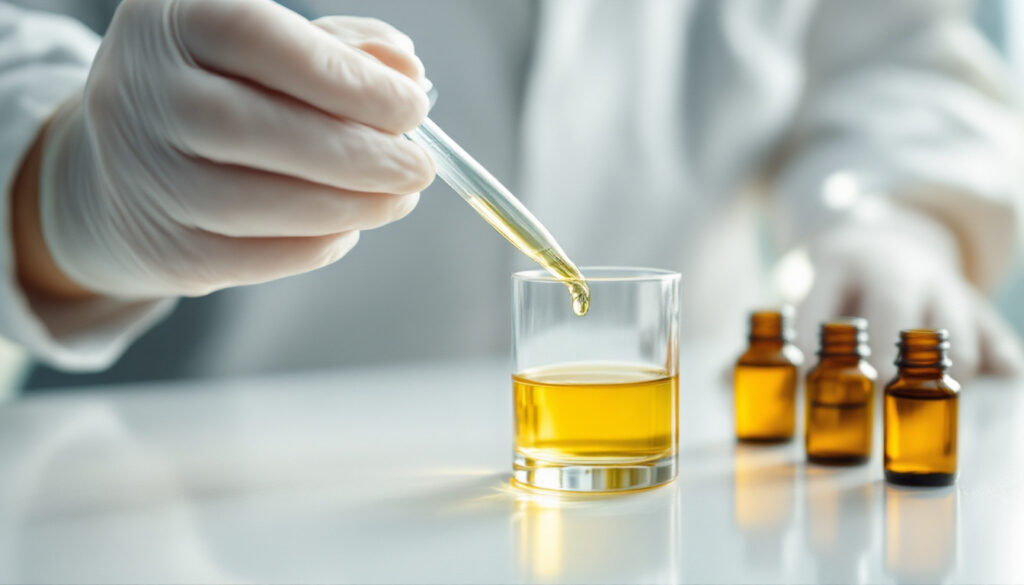




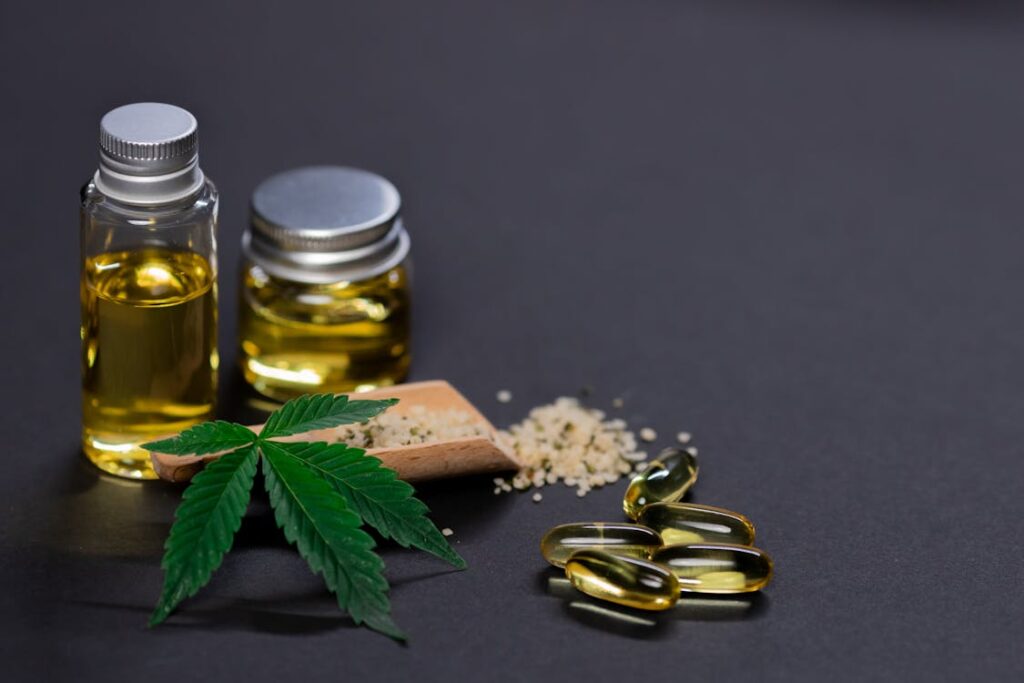
Terpenes and their effects extend far beyond the pleasant aromas you notice when opening a jar of cannabis. These organic compounds directly influence how you experience different strains, working alongside cannabinoids to create distinct therapeutic and psychoactive effects through what scientists call the entourage effect.
Most people choose cannabis products based solely on THC or CBD percentages, missing a critical piece of the puzzle. The terpene profile determines whether you’ll feel energized or experience couch lock, whether your anxiety melts away or your focus sharpens. Myrcene, limonene, pinene, beta-caryophyllene, and linalool each trigger specific responses in your body’s endocannabinoid system.
Understanding which terpenes produce your desired effects transforms you from a passive consumer into an informed decision-maker. You’re not just buying a product with a catchy strain name – you’re selecting a specific aroma profile engineered to deliver the experience you actually want.
What Are Terpenes?
Terpenes are aromatic compounds produced by all plants – not just cannabis – that create the distinctive scents you recognize in everything from pine forests to citrus fruits. These organic molecules serve as nature’s chemical messengers, helping plants attract pollinators, repel predators, and communicate with their environment. Scientists have identified over 20,000 different terpenes across the plant kingdom, making them one of the most diverse groups of natural compounds.
You encounter terpenes daily without realizing it. The sharp scent of rosemary comes from pinene, the same terpene that gives pine trees their characteristic aroma. limonene creates the citrus smell in lemons and oranges. Linalool produces lavender’s calming fragrance. These compounds form the foundation of the essential oil industry, where they’re extracted and concentrated for use in perfumes, cleaning products, and aromatherapy applications.
Where plant aroma meets science, terpenes reveal their complexity. Each plant produces a unique aroma profile – a specific combination of terpenes that creates its signature scent and potential therapeutic properties. Cannabis contains particularly high concentrations of specific terpenes like myrcene, beta-caryophyllene, and limonene, but these same compounds appear throughout nature in varying proportions.
Understanding terpenes basics helps you make informed choices about products across multiple industries, from selecting essential oils to choosing cannabis strains that deliver your desired effects.
Major Terpenes and Their Effects: Complete Chart
The six most common cannabis terpenes – myrcene, limonene, pinene, beta-caryophyllene, linalool, and humulene – create distinct effects ranging from sedation to energy, anxiety relief to pain management. Research shows these compounds work synergistically with cannabinoids through the entourage effect, with studies demonstrating limonene reduces THC-induced anxiety while myrcene enhances sedative properties.
| Terpene | Aroma | Primary Effects | Common Cannabis Strains |
| Myrcene | Earthy, musky, herbal | Sedation, muscle relaxation, “couch lock” effect | Blue Dream, OG Kush, Granddaddy Purple |
| limonene | Citrus, lemon, orange | Mood elevation, anxiety reduction, stress relief | Lemon Haze, Durban Poison, Wedding Cake |
| pinene | Pine, fresh, woody | Mental clarity, alertness, memory retention | Jack Herer, Strawberry Cough, Blue Dream |
| Beta-Caryophyllene | Pepper, spicy, woody | Pain relief, anti-inflammation, stress reduction | GSC (Girl Scout Cookies), Sour Diesel, Chemdog |
| Linalool | Floral, lavender, sweet | Calming, sedation, anxiety relief | Lavender, LA Confidential, Zkittlez |
| Humulene | Hoppy, earthy, woody | Appetite suppression, anti-inflammation | White Widow, Headband, Sour Diesel |
Myrcene dominates most cannabis strains, typically comprising 20-65% of the total terpene profile. This compound produces the sedative effects associated with indica-dominant varieties. You’ll recognize myrcene’s earthy scent in mangoes, lemongrass, and hops. At high concentrations, it creates the “couch lock” sensation users seek for sleep or deep relaxation. Myrcene also enhances cannabinoid absorption across cell membranes, amplifying THC’s psychoactive effects.
limonene ranks second in prevalence and delivers the mood-boosting properties consumers increasingly seek. Research from NORML confirms this citrus-scented terpene actively reduces THC-induced anxiety, making it valuable for users who experience paranoia. Strains high in limonene promote positive mood effects and may support stress management through serotonin pathway activation.
pinene exists in two forms – alpha and beta – both offering cognitive enhancement. This terpene counteracts some of THC’s short-term memory impairment while promoting alertness. You encounter pinene daily in rosemary, basil, and coniferous trees. Its bronchodilator properties may improve respiratory function, though more research is needed.
Beta-caryophyllene stands apart as the only terpene that directly activates cannabinoid receptors, specifically CB2 receptors involved in pain and inflammation response. This unique mechanism delivers therapeutic benefits without psychoactive effects. The peppery compound appears in black pepper, cloves, and cinnamon, offering potential applications in terpenes and pain management.
Linalool produces the calming effects you experience with lavender aromatherapy. Scientific studies demonstrate its anxiolytic and sedative properties work through GABA neurotransmitter modulation. Cannabis processors must carefully preserve linalool during extraction since it evaporates at relatively low temperatures (198°F), making it vulnerable during standard decarboxylation processes.
Humulene offers appetite suppression – contrary to cannabis’s typical hunger-inducing reputation. This earthy terpene contributes to beer’s distinctive aroma and appears in ginseng and sage. Its anti-inflammatory properties complement beta-caryophyllene’s effects, creating synergistic therapeutic benefits in strains containing both compounds.
Types of terpenes and their effects vary based on concentration ratios, not just individual presence. A strain containing 2% myrcene produces dramatically different effects than one with 0.5% myrcene, even if both contain the same cannabinoid percentages. World of Terpenes emphasizes this concentration-dependent relationship when profiling terpene-rich strains for specific therapeutic applications.
This terpenes and their effects chart provides starting points for strain selection, but individual responses vary based on body chemistry, tolerance, and consumption method. Testing labs now include detailed terpene profiles on certificates of analysis, giving you data-driven insights into each product’s potential effects before purchase.
The Entourage Effect: How Terpenes Work With Cannabinoids
The entourage effect describes the synergistic interaction where terpenes enhance cannabinoid effects by modulating receptor binding, increasing blood-brain barrier permeability, and altering neurotransmitter activity rather than working in isolation. Terpenes like myrcene increase THC absorption by up to 200% by changing cell membrane fluidity, while limonene reduces anxiety by activating serotonin pathways that counteract THC’s psychoactive intensity.
This synergy happens at the molecular level. Beta-caryophyllene directly activates CB2 cannabinoid receptors, creating anti-inflammatory effects without psychoactivity. Linalool enhances GABA neurotransmitter function, amplifying CBD’s calming properties. When you consume cannabis, you’re not experiencing isolated compounds – you’re experiencing complex molecular cooperation.
Blood-brain barrier interaction explains why terpenes and their effects differ from pure cannabinoid isolates. According to research on terpenes and THC brain interaction, certain terpenes modify how quickly and efficiently cannabinoids cross this protective barrier. pinene maintains alertness by counteracting THC-induced memory impairment through acetylcholinesterase inhibition. This mechanism demonstrates why full-spectrum products produce different experiences than THC distillates at identical cannabinoid percentages.
The aroma profile you smell indicates the entourage effect potential. High myrcene concentrations create sedative “couch lock” by enhancing THC’s muscle-relaxing properties. limonene-dominant strains elevate mood because the citrus terpene reduces THC-induced anxiety while maintaining therapeutic benefits. Understanding terpenes in cannabinoids helps you predict effects based on lab-tested terpene ratios before consumption.
How to Identify Terpenes in Cannabis Products
You can identify terpenes in cannabis products by reviewing Certificates of Analysis (COAs), reading product labels for terpene percentages, consulting dispensary staff about aroma profiles, and selecting strains known for specific terpene concentrations. COAs provide the most accurate data, showing exact terpene percentages tested by third-party laboratories.
- Request Certificates of Analysis – COAs list individual terpene concentrations in milligrams per gram or percentages. According to cannabis COA analysis standards, reputable products display myrcene, limonene, pinene, beta-caryophyllene, and linalool levels separately. Look for total terpene content above 2% for noticeable effects.
- Decode Product Labels – Many cannabis products now display dominant terpenes directly on packaging. You’ll see aroma profile descriptors like “citrus” (limonene-rich) or “earthy” (myrcene-dominant). Cross-reference these claims with actual COA data when available.
- Consult Dispensary Experts – Budtenders can identify terpene-rich strains based on your desired effects. Tell them you want elevated mood (seek limonene) or relaxation without couch lock (balanced pinene and linalool). World of Terpenes provides terpene profile guides that dispensaries increasingly reference for customer education.
- Select Strains Strategically – Certain cultivars consistently produce specific terpenes. Sour Diesel contains high limonene for energy, while Granddaddy Purple delivers myrcene for sedation. Understanding terpenes and their effects helps you predict experiences before purchasing.
Fresh cannabis smells stronger because terpenes degrade with heat, light, and time. Choose products stored in opaque containers with recent packaging dates to maximize terpene preservation and entourage effect potential.
Terpene Safety and Consumption Considerations
Terpenes are generally safe when consumed through typical cannabis products, but consumption method significantly affects delivery and potential side effects. Vaping preserves terpenes better than smoking since combustion destroys heat-sensitive compounds, while edibles bypass terpene inhalation entirely. Safe dosage depends on concentration – products with terpene levels above 10% may cause irritation or allergic reactions in sensitive individuals.
Your consumption method determines how many terpenes actually reach your system. Vaporizers operating at 226°C preserve terpene integrity better than combustion methods, which often exceed temperatures where myrcene, limonene, and pinene degrade. According to cannabis safety research, more than 200 terpenes exist in cannabis, requiring careful evaluation of both individual compounds and combined exposure within formulations.
Concentrated terpene products carry specific risks. Pure terpene extracts should never be consumed undiluted – they require proper dilution ratios to prevent mucous membrane irritation. You might experience throat discomfort, headaches, or dizziness from excessive terpene exposure, particularly with beta-caryophyllene or linalool in high concentrations.
Start with products containing 2-5% total terpene content if you’re new to terpene-focused consumption. Monitor your response to specific aroma profiles, as individual tolerance varies. Edibles containing terpenes deliver them through digestion rather than inhalation, producing different effects and absorption rates compared to vaping or smoking methods.
Your Terpene Journey Starts Here
Understanding terpenes and their effects empowers you to choose cannabis products that match your desired experience. Focus on aroma profiles – citrus scents indicate limonene for mood elevation, while earthy notes signal myrcene’s relaxing properties. Read product labels for terpene percentages, start with 2-5% concentrations, and track how specific profiles affect you personally.
The entourage effect means terpenes work synergistically with cannabinoids, making strain selection about more than THC content alone. Beta-caryophyllene offers anti-inflammatory benefits, pinene promotes alertness, and linalool delivers calming effects. Your consumption method matters – vaporizing at 226°C preserves these compounds better than combustion.
World of Terpenes provides educational resources and product information to help you navigate terpene-based wellness. Explore our platform to discover detailed strain profiles, learn about extraction methods, and find products matched to your specific needs.
—