

You click it onto your battery, take a draw, and a moment later you are experiencing something genuinely pleasant. But have you ever stopped to wonder what is actually inside that tiny little cartridge and how it got there? Turns out the answer involves more chemistry, equipment, and quality decisions than most people expect. Let us get into it.
It Starts in the Field, Not the Lab
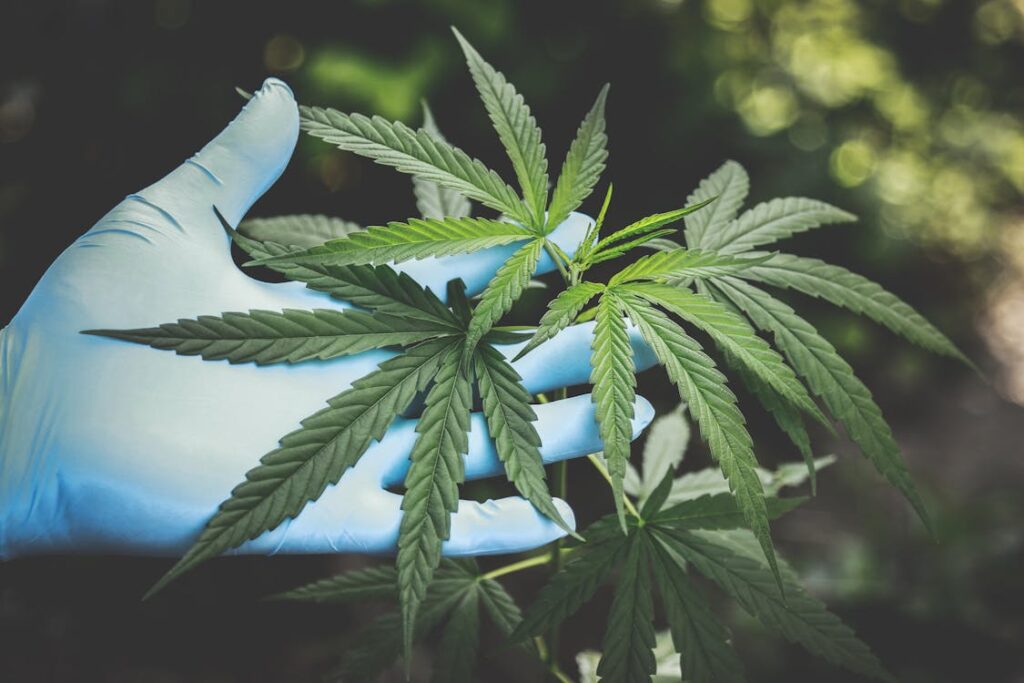
Every vape cartridge starts its life as cannabis flower. The quality of that starting material matters enormously. You cannot extract exceptional oil from mediocre flower any more than you can make great wine from bad grapes. Cultivators growing cannabis for extraction often prioritize different traits than those growing for the flower market, focusing heavily on resin production, terpene content, and overall cannabinoid density.
The harvested plant material is typically frozen immediately after harvest in a process that preserves the fresh plant’s chemistry much more faithfully than traditional drying and curing. This is the foundation of what producers call live resin, one of the most sought-after inputs for premium vape cartridges.
The Extraction Process
Once the plant material is ready, it goes through extraction. This is where the cannabinoids and terpenes are separated from the plant matter using a solvent or solvent-free process. The most common methods include:
Hydrocarbon Extraction (Butane/Propane)
Butane hash oil (BHO) extraction is one of the most widely used methods for producing vape-ready concentrate. The cannabis is washed with butane, propane, or a blend of both, which strips the cannabinoids and terpenes out of the plant material. The resulting solution is then processed to remove the solvent, leaving behind a rich, flavorful concentrate. When done properly in a professional closed-loop system, residual solvent levels are well within safe limits and verified by third-party lab testing.
CO2 Extraction
Supercritical CO2 extraction uses carbon dioxide under specific temperature and pressure conditions to act as a solvent. It is considered a cleaner method by many consumers because CO2 is not a petroleum-derived hydrocarbon. The tradeoff is that CO2 extraction can be harder on terpenes unless special care is taken during the process, which is why some CO2 cartridges have terpenes added back in after extraction.
Ethanol Extraction
Ethanol is another common solvent, often used for large-scale extraction. It is generally regarded as safe (it is the same alcohol in your drinks), but it tends to pull more water-soluble compounds out of the plant along with the cannabinoids, which can require additional refinement steps.
Refinement: From Crude to Cart-Ready
Raw extracted oil is not ready to go into a cartridge yet. It usually needs to be refined through one or more additional processes.
Winterization
The crude extract is mixed with ethanol and frozen, which causes waxes, lipids, and fats to precipitate out of solution. These are then filtered away, leaving a cleaner oil. This step significantly improves the clarity and stability of the final product.
Distillation
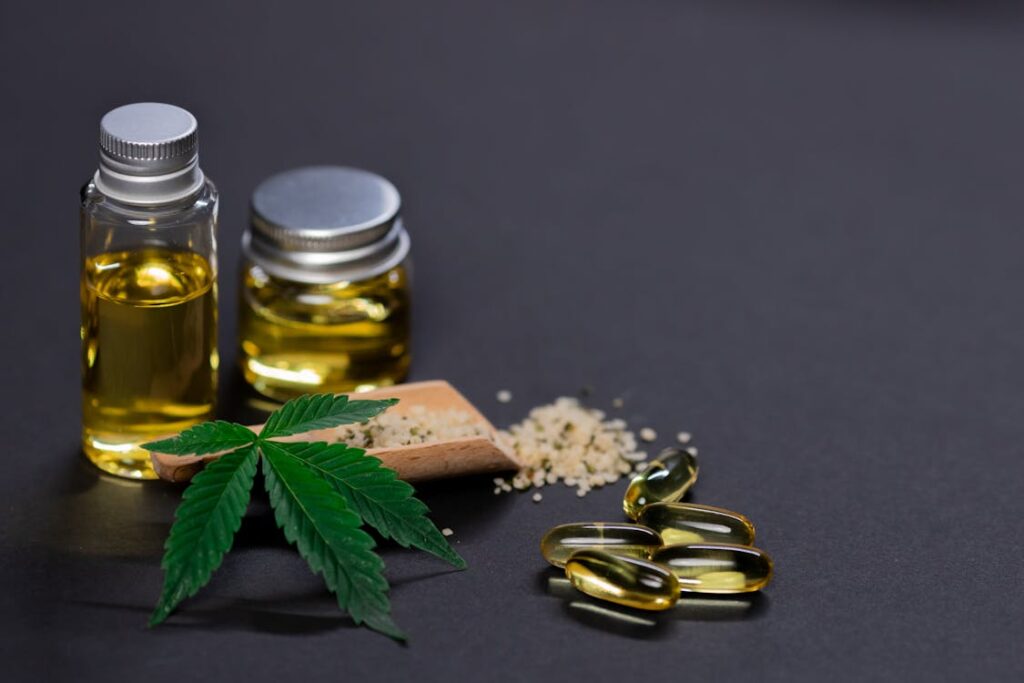
Many vape cartridges use distillate as their base oil. Distillation uses heat and vacuum pressure to isolate specific cannabinoids, producing a highly refined oil that can reach THC concentrations of 90 percent or higher. Distillate is virtually odorless and flavorless on its own, which is why terpenes are almost always added back in afterward to create a product with actual character.
Terpene Reintroduction
This is one of the most critical steps in determining the quality of the final cartridge. After distillation strips the terpenes away, producers have choices about what to put back in.
- Cannabis-derived terpenes (CDTs): Extracted from cannabis itself, these recreate the authentic profile of the original strain most faithfully. This is considered the gold standard.
- Botanical terpenes: Derived from other plants like lavender, lemons, or pine. These are the same molecules that appear in cannabis but they did not come from cannabis. They are legal, safe, and common in budget products.
- Synthetic terpenes: Lab-created versions of natural terpenes. Generally used in lower-cost products.
Why does it matter? Because the full chemical interaction between cannabinoids and terpenes, what researchers call the entourage effect, is what makes different cannabis experiences feel meaningfully different from one another. The terpene profile is not just about flavor. You can read more about this in our detailed breakdown of how terpenes interact with cannabinoids.
Filling the Cartridge
Once the oil is blended and quality-checked, it goes into the physical cartridge. Commercial operations use automated filling machines that heat the oil to reduce viscosity, then precisely dose it into each cartridge. A standard vape cartridge holds either 0.5 grams or 1 gram of oil.
The physical cartridge itself consists of:
- A metal or ceramic heating element (the atomizer or coil)
- A tank or reservoir, usually made of glass, metal, or plastic
- A mouthpiece
- A 510-thread connector at the base (in most cases) that attaches to the battery
Ceramic heating elements are increasingly preferred over older metal coil designs because they heat more evenly, produce fewer byproducts, and are gentler on terpenes. If you see a cartridge advertised as ceramic core, that is generally a sign the manufacturer is paying attention to quality.
Lab Testing and Quality Control
In legal cannabis markets, every batch of vape oil must pass third-party lab testing before it can be sold. These tests check for:
- Cannabinoid potency (THC, CBD, and other cannabinoids)
- Terpene profile
- Residual solvents
- Pesticides
- Heavy metals (which can leach from poorly made cartridge hardware)
- Microbial contaminants
This is one of the most compelling arguments for buying from licensed dispensaries in legal markets. The lab testing requirements that legal producers must meet are there specifically to catch problems that you would never know about otherwise. According to research published in the National Institutes of Health database, concerns about contaminants in unregulated cannabis vape products underscore why proper testing and regulatory oversight matter for consumer safety.
What Makes a Premium Cartridge Different?
The difference between a cartridge and a cartridge usually comes down to a combination of factors: the quality of the starting material, the extraction method, whether live resin or distillate was used, the type of terpenes reintroduced, and the quality of the hardware itself. Premium producers are typically using fresh-frozen cannabis, solvent extraction with careful terpene preservation, cannabis-derived terpenes, and hardware tested for heavy metal leaching.
If you are genuinely curious about the aromatic compounds that make cannabis so distinctive and how to evaluate them, our terpene chart guide gives you a practical reference for understanding what you are reading on those lab reports and product labels.
The Bottom Line
A vape cartridge is not just a little tube of mystery liquid. It is the end result of a surprisingly involved chain of cultivation, extraction, refinement, formulation, and quality control decisions. Understanding that process helps you be a smarter consumer: you know what to look for on a label, why live resin costs more, and why buying from a licensed dispensary is not just a legal preference but a genuine safety consideration. The more you know about what goes into that cart, the better the experience you can build for yourself.