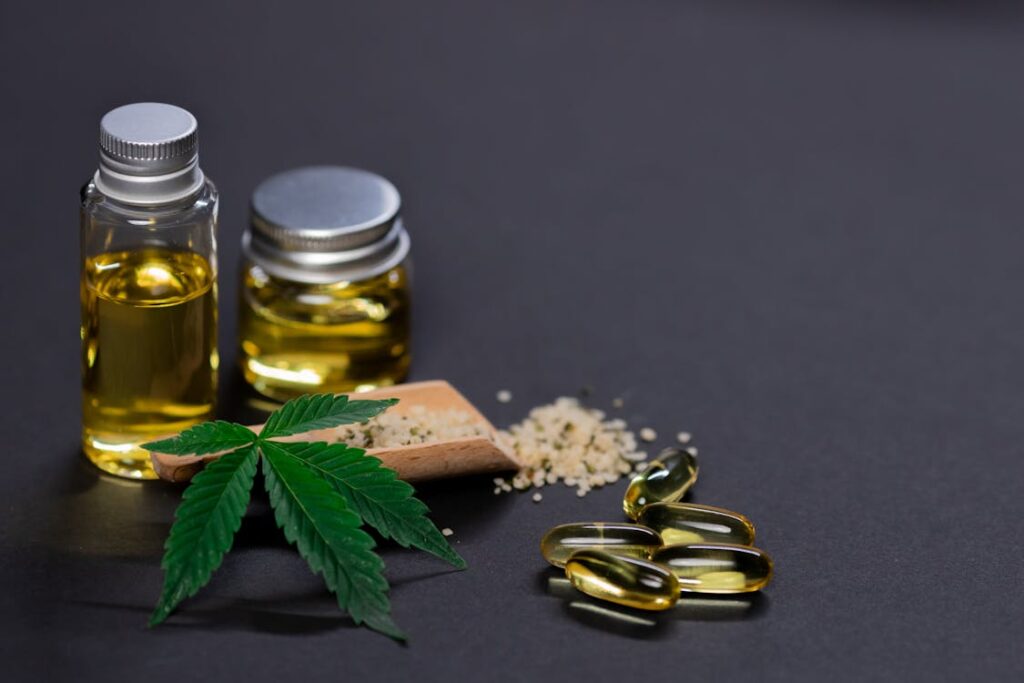



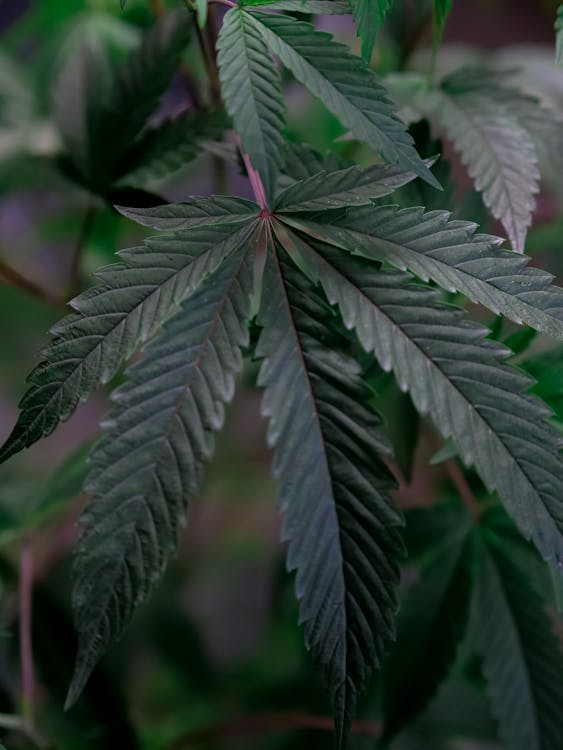
Rare terpenes are becoming increasingly difficult to source in 2026 due to a convergence of extraction challenges, supply chain disruptions, and the limited natural occurrence of these aromatic compounds in cannabis strains. Unlike abundant terpenes such as myrcene or limonene, compounds like guaiol, ocimene, and terpinolene appear in trace amounts – often less than 1% of a plant’s total terpene profile – making commercial-scale extraction economically unfeasible for many producers.
The 2026 availability crisis stems from three core factors. First, rare strains containing these sought-after terpenes require specific growing conditions that don’t scale easily to industrial cultivation. Second, extraction yields are devastatingly low – you might process hundreds of pounds of biomass to obtain grams of a specific rare terpene. Third, the expanding legal cannabis market has created unprecedented demand for distinctive flavor profiles, but production infrastructure hasn’t kept pace.
Where plant aroma meets science, the economics are brutal. A rare terpene that costs $15 per gram to extract might sell for only $20, leaving razor-thin margins that discourage investment in specialized equipment. This scarcity is reshaping how formulators approach cannabis terpenes, forcing difficult choices between authentic rare compounds and more accessible alternatives.
What Qualifies a Terpene as ‘Rare’?
A terpene qualifies as rare when it appears at concentrations below 1% of a plant’s total terpene profile, making it difficult to detect and economically challenging to extract at commercial scale. This threshold separates abundant aroma compounds like myrcene and limonene – which routinely exceed 20-30% of cannabis terpenes – from elusive compounds such as guaiol, ocimene, and terpinolene that exist only in trace amounts.
The rarity designation isn’t arbitrary. Cannabis strains typically contain 1-4% total terpenes by dry weight, and within that already-small fraction, individual terpenes compete for representation. Common terpenes dominate because they serve essential biological functions – myrcene, for instance, appears in nearly every strain because it’s a biosynthetic precursor to other compounds. Rare terpenes, by contrast, emerge only under specific genetic and environmental conditions that most commercial cultivators can’t replicate consistently.
Distribution patterns tell the real story. You’ll find β-caryophyllene in 80% of cannabis strains at meaningful concentrations, but terpinolene appears above detection limits in fewer than 10% of cultivars. This scarcity compounds during extraction – when a terpene represents 0.3% of the source material’s profile, isolating it requires processing exponentially more biomass than extracting a compound at 15% concentration.
World of Terpenes tracks these concentration thresholds across types and classifications of terpenes to help formulators understand which compounds they can realistically source. The distinction matters because rarity directly impacts availability, pricing, and whether a desired flavor profile is achievable with authentic compounds or requires blending alternatives.
What is the Rarest Terpene? A 2026 Analysis
Guaiol stands as the rarest terpene in cannabis, appearing in fewer than 3% of commercial strains at detectable concentrations above 0.1%. This sesquiterpene’s extreme scarcity stems from its limited biosynthetic pathway – only specific genetic lineages produce the enzymes necessary to convert farnesyl pyrophosphate into guaiol, making it exponentially harder to find than even other rare terpenes like terpinolene or ocimene.
| Terpene | Detection Frequency | Typical Concentration | Known Strains |
| Guaiol | <3% of strains | 0.05-0.3% | Chocolope, Liberty Haze |
| Terpinolene | ~10% of strains | 0.2-1.5% | Jack Herer, Dutch Treat |
| Ocimene | 5-8% of strains | 0.1-0.8% | Golden Goat, Clementine |
The rarity hierarchy among exotic terpenes follows three patterns:
- Biosynthetic Bottlenecks – Guaiol requires multiple enzymatic steps that most cannabis genetics simply don’t possess, creating natural scarcity independent of cultivation practices.
- Environmental Sensitivity – Ocimene degrades rapidly post-harvest, making it rare in finished products even when present in living plants at reasonable concentrations.
- Genetic Isolation – Terpinolene-dominant terpene profiles cluster in specific cultivar families, limiting distribution across the broader cannabis gene pool.
These concentration thresholds directly impact what formulators can source in 2026. Guaiol’s sub-0.3% typical presence means authentic isolation requires specialized rare strains and extraction infrastructure most producers lack.
Production & Extraction Challenges Making Rare Terpenes Hard to Find
Rare terpenes remain scarce because extraction yields average 0.5-2% of total biomass weight, making commercial production economically unfeasible for compounds already present at trace concentrations below 0.3% in source material. The compounding effect of low natural abundance and extraction inefficiency creates a supply bottleneck that biotechnology hasn’t solved at scale.
Thermal degradation destroys up to 40% of volatile terpenes during standard extraction processes. Cannabis terpenes degrade rapidly above 70°F, yet most commercial extraction methods apply heat or pressure that pushes temperatures well beyond this threshold. Ocimene’s notorious instability makes it particularly vulnerable – even when present in living plants, post-harvest processing reduces detectable concentrations by half before the material reaches extraction facilities.
The scalability problem hits harder with rare terpenes than abundant ones. Processing equipment calibrated for high-volume myrcene or limonene extraction can’t economically pivot to rare strains containing minimal guaiol or terpinolene. You’d need to process 50-100 times more biomass to yield equivalent volumes, overwhelming standard extraction infrastructure and driving per-gram costs into territory that eliminates market viability.
Preservation during how terpene biosynthesis works adds another layer of complexity. Flash freezing immediately post-harvest helps, but most cultivators lack the cold-chain infrastructure to maintain sub-zero temperatures from field to lab. Every hour at room temperature means measurable terpene loss, and rare compounds with already-minimal concentrations can drop below detection thresholds before extraction even begins.
Biotech alternatives promise synthetic or fermentation-derived rare terpenes, but production costs remain 3-5x higher than botanical extraction when dealing with complex sesquiterpenes like guaiol. Yeast-based biosynthesis requires extensive genetic engineering to replicate the multi-step enzymatic pathways that cannabis evolved over millennia, and scaling from lab flasks to industrial fermenters introduces yield inconsistencies that haven’t been resolved commercially.
World of Terpenes addresses these production realities by focusing on preservation-first sourcing and specialized extraction partnerships that prioritize compound integrity over volume throughput.
2026 Market Forces: Supply Chain, Regulations & Economic Factors
Rare terpenes face unprecedented scarcity in 2026 due to regulatory shifts restricting hemp-derived product formulations, geographic cultivation bottlenecks limiting rare strain production to specific climate zones, and market consolidation favoring high-volume commodity terpenes over niche compounds. The November 2026 total-THC testing standard eliminates most premium THCa flower from federal compliance, directly reducing source material availability for rare terpene extraction.
Geographic limitations hit rare darkness strain terpenes particularly hard. Guaiol-rich cultivars require specific temperature fluctuations and soil chemistry found primarily in Northern California and Oregon’s Emerald Triangle, but interstate commerce restrictions trap these genetics within state borders. You can’t legally ship biomass across state lines for processing, forcing extractors to either relocate operations or abandon rare strain sourcing entirely.
The new 0.4 mg total THC per container limit for hemp-derived products decimates the economic viability of rare terpene extraction from cannabis sources. Most premium flower containing 15-25% THCa concentration falls outside federal compliance boundaries after November 2026, eliminating the high-terpene biomass that previously supplied extraction facilities. Processors now face a choice: pivot to low-potency hemp with minimal rare terpene content or exit the federally compliant market.
Market consolidation accelerates the problem. Major brands captured 22.7% of California concentrate sales in 2025 by standardizing terpene profiles around myrcene and limonene – compounds consumers recognize from marketing. Rare terpenes like terpinolene and ocimene can’t compete when top wholesale terpene suppliers prioritize volume contracts over specialty compounds that require custom extraction runs.
Pricing pressures make rare terpenes commercially unviable. Live resin diamonds command $85-120 per gram but hold only 3.1% market share, while mass-market distillates dominate despite lower terpene diversity. The economics push processors toward standardized flavor profiles rather than preserving the rare terpene content that differentiates premium cannabis strains.
Your Rare Terpene Questions Answered
1. What is the mother of all terpenes?
Isoprene serves as the fundamental building block for all terpene compounds. Every terpene you encounter in cannabis strains or essential oils forms when multiple isoprene units link together through biosynthetic pathways. Monoterpenes like ocimene contain two isoprene units (C10), while sesquiterpenes like guaiol contain three (C15). The psychoactive compounds in cannabis result from how these isoprene chains fold and bond, creating distinct terpene profiles that interact with your endocannabinoid system.
2. Which terpenes have psychedelic properties?
No terpene produces true psychedelic effects independently. The perception of psychedelic terpenes stems from how compounds like myrcene enhance cannabinoid absorption across the blood-brain barrier, intensifying THC’s effects. Terpinolene-rich rare strains sometimes trigger cerebral experiences users describe as trippy, but that’s synergy rather than standalone psychoactivity. World of Terpenes tracks these interaction patterns across different terpene profiles to help you understand entourage effects without falling for marketing hype.
3. Are there “bad” terpenes to avoid?
Fresh terpenes pose minimal risk at normal consumption levels, but oxidation creates problems. Terpenes degrade when exposed to heat, light, or oxygen, forming potentially irritating compounds that alter flavor profiles and reduce therapeutic value. Rare darkness terpenes deteriorate faster than common monoterpenes because their complex molecular structures break down under stress. Store rare terpene products in cool, dark conditions and consume within six months of extraction to avoid oxidized compounds that trigger respiratory irritation or off-flavors.
The Future of Rare Terpene Availability
Rare terpene scarcity will intensify through 2026 as extraction costs rise, biotech alternatives face regulatory delays, and climate pressures reduce natural yields from cannabis strains. You’ll see fewer guaiol-rich products and ocimene concentrates unless producers invest in precision agriculture or synthetic biology scales successfully.
The technical hurdles aren’t disappearing. Low-yield extraction from rare strains costs 3-5x more than common terpene isolation, while terpinolene and similar compounds degrade during processing if temperature controls fail. Supply chains remain fragmented across state lines, forcing producers to source from limited cultivation zones where specific terpene profiles naturally occur. Economic pressure pushes growers toward high-volume, low-complexity strains rather than rare terpene genetics that demand specialized growing conditions.
Regulatory frameworks in 2026 still treat cannabis terpenes differently than botanical extracts, creating compliance costs that small-batch producers can’t absorb. You’re navigating a landscape where flavor profiles matter more to consumers, but market infrastructure hasn’t caught up to demand for specialized terpene products.
World of Terpenes provides the research-backed context you need to understand which rare terpenes justify premium pricing and which scarcity claims are just marketing noise.
—