


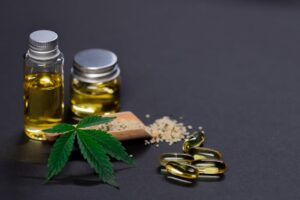

Hash has been around for centuries. Long before vape pens, dab rigs, and rosin presses, people across Central Asia, North Africa, and the Middle East were collecting and pressing cannabis resin into blocks that could be traded, smoked, and treasured. And here we are, thousands of years later, still absolutely fascinated by the stuff. There is something satisfying about a product that has stood the test of time that well.
But what exactly is hash? How is it different from regular cannabis flower? And how do you get from a sticky cannabis plant to a pressed block of concentrated goodness? Let us walk through all of it, from the ancient traditions to the modern craft hash renaissance that is very much happening right now.
What Is Hash, Actually?
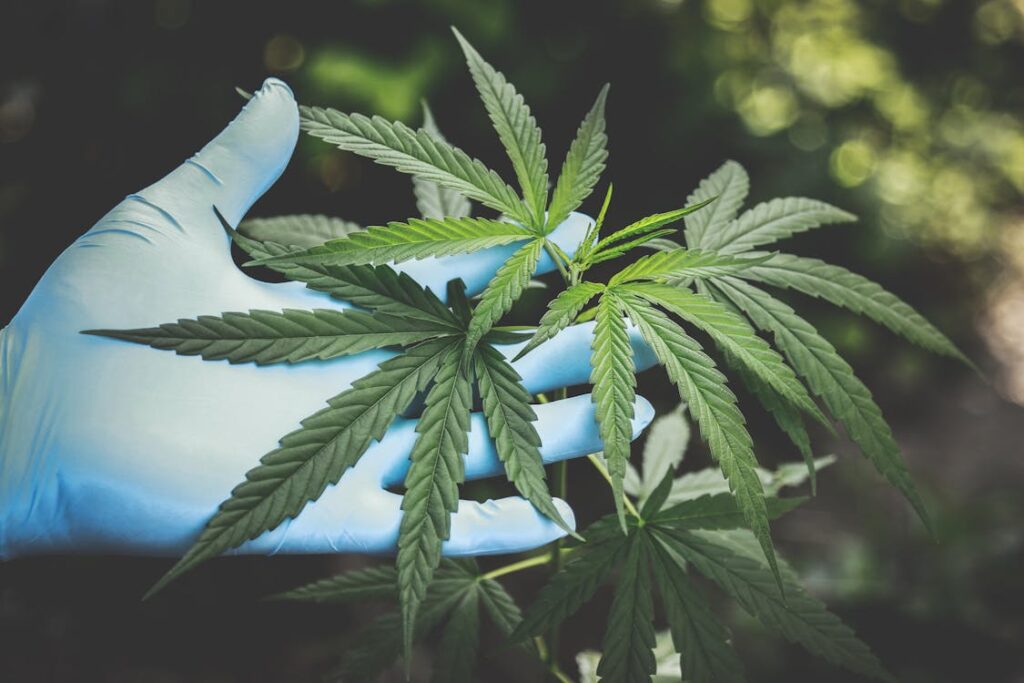
Hash, short for hashish, is a cannabis concentrate made from the resin glands of the cannabis plant. Those resin glands are called trichomes, and they are the tiny, mushroom-shaped structures that coat the buds and sugar leaves of a mature cannabis plant. Trichomes are where the magic happens: they produce cannabinoids like THC and CBD, and they are also where terpenes are synthesised and stored.
When you separate those trichomes from the plant material and compress them together, you get hash. That is the core concept, though the specific methods for doing that separation vary wildly and produce very different end products. Old-school charas made in the mountains of India and modern ice water bubble hash made in a temperature-controlled processing facility are technically the same product category, but they could not look or feel more different.
Hash is more potent than regular cannabis flower because it is essentially a concentrated collection of trichomes. Where a good quality flower might test at 20 to 30 percent THC, a quality hash can come in anywhere from 40 to 70 percent, and some modern solventless extracts push even higher. The key thing to understand is that you are essentially removing the plant material and concentrating the good stuff.
A Brief and Frankly Fascinating History
The history of hashish stretches back at least to the 10th or 11th century in written records, though it is almost certainly older than that. Early references to hashish consumption appear in Arabic literature, and trade routes through Central Asia carried the product across continents well before the modern era.
The Charas tradition of the Hindu Kush region in India and Nepal involves hand-rubbing live cannabis plants to collect fresh resin on the palms, then rolling that resin into balls or sticks. Charas is still made and used in these regions today, following essentially the same method that has been used for generations.
Traditional Moroccan hash, particularly from the Rif Mountains region, has been produced for centuries using dried sieving techniques. Afghan hash is famous for its dark, dense, almost tar-like consistency. Lebanese hash, called Red Leb by older generations, has its own distinct profile and pressing style. Each region developed its own approach based on the climate, the local cannabis genetics, and the cultural preferences of the people making it.
Hash arrived in Europe in a significant way in the late 18th and early 19th centuries, carried back by Napoleon’s soldiers from Egypt and later popularised by writers and intellectuals in Paris. By the 20th century it was deeply embedded in cannabis culture worldwide. The 1960s and 1970s saw enormous quantities of Moroccan and Afghan hash flowing into Europe, shaping an entire generation of cannabis users who genuinely never knew what modern bubble hash or rosin looked like.
Traditional Hash Making Methods
Hand Rubbing
The oldest and most hands-on method. You take freshly harvested (or sometimes live) cannabis and rub it between your palms. The resin sticks to your skin, and over time you build up a dark, sticky layer that you then scrape off and roll into balls or strips. The resulting product is called charas when made from live plants, and the quality depends enormously on the genetics of the plant and the patience of the person doing the rubbing.
It is slow, meditative work. And the resulting product has a fresh, almost green quality to it that dried and cured hash does not have. Terpene profiles in fresh-rubbed charas can be extraordinary, because you are preserving compounds that might otherwise degrade during drying.
Dry Sieving
Dry sieving involves taking dried, cured cannabis and rubbing it gently over a mesh screen. The trichome heads, which are smaller than the plant material, fall through the screen and collect below as a fine, powdery substance called kief. That kief can then be pressed, heated, and worked into a range of different hash products.
The quality of dry sieve hash depends on the fineness of the screen and the care taken during the process. Rough, aggressive sieving collects more material but also pulls through more plant matter. Gentle sieving through finer screens produces purer, more aromatic hash but in smaller quantities. Many traditional Moroccan hash producers use multiple screens of decreasing mesh size to separate different grades of material.
Pressing the collected kief is typically done with heat and pressure. Some traditional methods involve wrapping the kief in cellophane and kneading it by hand, sometimes using gentle heat from friction or a flame to help the material bind together. The result is the classic block or slab form that most people picture when they think of hash.
Modern Hash Making Methods
Ice Water Extraction (Bubble Hash)
This is where things get exciting for the modern cannabis enthusiast. Ice water extraction, which produces what is commonly called bubble hash, is one of the most popular solventless concentrate methods in use today. It produces a clean, terpene-rich product that can range from decent to absolutely exceptional depending on the starting material and the skill of the extractor.
The process works because trichome heads become brittle and break off more easily when cold. You combine cannabis (fresh-frozen plant material gives the best results) with ice water in a vessel, agitate the mixture to knock the trichomes off the plant, then run the mixture through a series of mesh bags called bubble bags. Each bag has a different micron size, capturing different grades of trichomes. The smallest mesh bags, typically 73 to 90 microns, catch the highest quality full-melt trichome heads.
The collected material from each bag is then dried carefully, usually freeze-dried in modern professional operations, to prevent mold and preserve terpene content. The resulting bubble hash can be smoked, used in a dab rig, or further processed into rosin.
Rosin from Hash
Rosin is made by applying heat and pressure to cannabis or hash to squeeze out the resinous oils without using any solvents. When you apply rosin pressing to quality bubble hash, you get hash rosin, which is currently one of the most prized solventless concentrates on the legal market. It is rich in terpenes, free from residual solvents, and can express strain-specific flavour profiles with remarkable clarity.
The fact that terpenes survive this process in meaningful quantities is a big part of what makes hash rosin so highly regarded. To understand why terpenes matter so much in concentrates, check out our breakdown of terpenes in cannabinoids and how they shape the overall experience of any cannabis product.
What Makes Good Hash Good?
Quality in hash comes down to a few key factors:
- Starting material: The genetics and quality of the cannabis used. No extraction process can create quality that was not in the plant to begin with. High-trichome, aromatic strains with rich terpene profiles make the best hash.
- Freshness: Fresh-frozen material preserves terpene content better than dried flower. This is why live resin and live rosin (made from fresh-frozen plants) command such a premium in the legal market.
- Purity: Less plant matter, more trichome heads. The lighter the colour, generally the higher the purity, though this is not a hard rule. A well-made dark Moroccan-style hash can be excellent quality; it just has a different character.
- Terpene preservation: This is the one that separates good hash from great hash. The aroma and flavour of a high quality hash should be complex, strain-specific, and unmistakable. If it smells like nothing, something went wrong.
The science of why terpene preservation matters so much comes down to what researchers call the entourage effect, a concept explored thoroughly in studies catalogued through the National Library of Medicine. Cannabinoids and terpenes working together produce effects that are genuinely different from cannabinoids in isolation, which is exactly why full-spectrum, terpene-rich hash products are so different from isolated THC distillate.
How to Appreciate Hash: A Quick Guide for the Curious
Hash can be consumed in several ways. Traditional methods involve crumbling it into tobacco or herb and rolling it into a joint or using a pipe. This is still how a large proportion of hash is consumed globally, particularly in Europe where the tradition of mixing with tobacco remains common.
For those who prefer to skip the tobacco, a good quality bubble hash or rosin can be consumed in a vaporizer designed for concentrates, or dabbed using a dab rig with a banger or nail. At the premium end of the market, full-melt bubble hash can be vaporised on its own at relatively low temperatures to maximise terpene expression, and the flavour can be genuinely revelatory compared to what most people expect from a cannabis product.
Temperate matters a lot. High temperatures burn off the terpenes before you ever get to taste them. Lower temperature consumption, whether through vaping or low-temp dabbing, preserves the flavour profile. Our guide on terpenes and vaping is a great resource if you want to understand how temperature affects what you are actually tasting and experiencing.
The Hash Renaissance
We are genuinely living through a golden age of hash. The legal cannabis market in North America and increasingly in parts of Europe has driven serious innovation in solventless extraction. Craft hash makers are approaching their work with the same attention and pride that a craft brewer brings to a small-batch ale, obsessing over strain selection, water temperature, agitation technique, and drying protocols in ways that would have seemed absurd to the Moroccan farmers pressing slabs by hand a few decades ago.
The results speak for themselves. Top-shelf hash rosin from premium producers is a completely different experience from the heavily pressed commercial hash that many people of a certain generation grew up with. Not better or worse in every dimension, because there is real romance in a chunk of traditional Lebanese or Afghani hash. But different, and in terms of terpene expression and flavour complexity, extraordinary.
Whether you are curious about the history, interested in making your own at home, or just want to understand what you are looking at next time you see a full-melt bubble hash on a legal dispensary menu, knowing the basics of what hash is and how it is made changes the way you experience it. And that, in our opinion, is always worth knowing.
For a deeper dive into the chemical compounds that make hash so much more than just concentrated THC, our guide to psychoactive compounds in cannabis covers the full spectrum of what is happening in a quality hash product at a molecular level.