




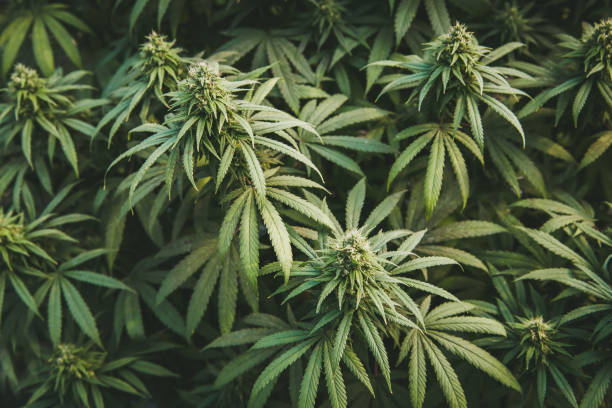
Terpenes are naturally occurring compounds found in cannabis and many other plants. They give strains their distinctive smells citrus, pine, floral, earthy and may influence how cannabis feels.
Understanding the difference between terpenes and cannabinoids is essential when discussing brain effects. This breakdown of terpenes vs cannabinoids explains how these two groups of compounds work differently but often interact together.
While cannabinoids like THC directly bind to receptors in the endocannabinoid system, terpenes may influence neurotransmitters, brain signaling pathways, and receptor activity in more subtle ways.
How Brain Imaging Studies Measure Cannabis Effects
Modern neuroscience uses advanced tools such as:
- fMRI (functional magnetic resonance imaging)
- PET scans (positron emission tomography)
- EEG (electroencephalography)
These tools allow researchers to observe changes in brain activity after cannabis consumption.
Most early imaging studies focused on THC. However, newer research is beginning to explore how full-spectrum cannabis including terpenes affects brain regions linked to mood, memory, pain perception, and anxiety.
The Entourage Effect in the Brain
One of the most important theories in cannabis science is the entourage effect the idea that cannabinoids and terpenes work together to influence the overall experience.
Brain imaging studies suggest that:
- THC alone activates specific brain regions tied to reward and perception.
- When combined with certain terpenes, activity patterns may shift.
- Some terpenes appear to modulate how intensely THC affects areas related to anxiety or alertness.
For example, research suggests that limonene may influence serotonin signaling, while linalool may interact with GABA-related pathways both of which play roles in mood regulation.
This interaction supports what many consumers report: two strains with the same THC percentage can feel completely different depending on their terpene profile.
What Brain Imaging Reveals About Specific Terpenes
Although terpene-specific imaging studies are still developing, early findings and related neurological research offer interesting insights.
Limonene and Mood Regulation
Limonene, known for its citrus scent, has been studied for its potential influence on serotonin and dopamine activity.
Brain imaging in related plant-based terpene research shows:
- Possible activation in mood-related brain regions
- Changes in stress-response pathways
This aligns with reports that limonene-rich strains feel uplifting and energizing.
Linalool and Anxiety Pathways
Linalool, found in lavender and some cannabis strains, has been studied in anxiety-related research.
Imaging studies outside cannabis research show:
- Reduced activity in overactive stress centers
- Increased calming neurotransmitter signaling
Pinene and Cognitive Function
Pinene, with its pine-like aroma, has been studied for potential cognitive effects.
Some neurological studies suggest:
- Influence on acetylcholine signaling
- Possible support for alertness-related brain activity
This may explain why pinene-rich strains are often chosen for focus and clarity.
Why Full-Spectrum Cannabis Matters
Brain imaging increasingly suggests that isolated THC does not produce the same neurological patterns as full-spectrum cannabis extracts.
When terpenes are preserved such as in live resin or carefully cultivated flower the brain’s response appears more complex and potentially more balanced.
Consumers looking to explore terpene-rich profiles often refer to curated strain lists like this guide to the best cannabis strains to buy in 2026, where terpene content plays a key role in recommendations.
Choosing strains based on terpene composition rather than THC alone may result in more predictable and tailored experiences.
Limitations of Current Research
While findings are promising, it’s important to stay realistic.
- Human terpene-specific brain imaging studies are still limited.
- Many studies examine terpenes outside of cannabis contexts.
- More controlled clinical trials are needed.
What This Means for Cannabis Consumers
The neuroscience behind terpene effects suggests that:
- Cannabis experiences are chemically complex.
- THC percentage alone does not determine brain response.
- Terpene profiles may influence mood, focus, relaxation, and perception.
- Full-spectrum products may create more nuanced brain activity patterns.
This growing body of research explains why educated consumers are paying closer attention to terpene lab results before making purchases.
The Future of Terpene and Brain Research
As legalization expands and research barriers decrease, expect to see:
- More terpene-specific fMRI studies
- Deeper exploration of terpene-neurotransmitter interactions
- Personalized cannabis recommendations based on brain response patterns
The intersection of neuroscience and cannabis science is just beginning to unfold.
Brain imaging studies are revealing that terpenes are more than aromatic compounds they may play a meaningful role in shaping how cannabis affects the brain.
While THC directly activates cannabinoid receptors, terpenes appear to influence mood, stress response, cognition, and overall neurological balance in more subtle but important ways.
As research grows, understanding terpene profiles will likely become a central part of choosing the right cannabis products for individual needs.