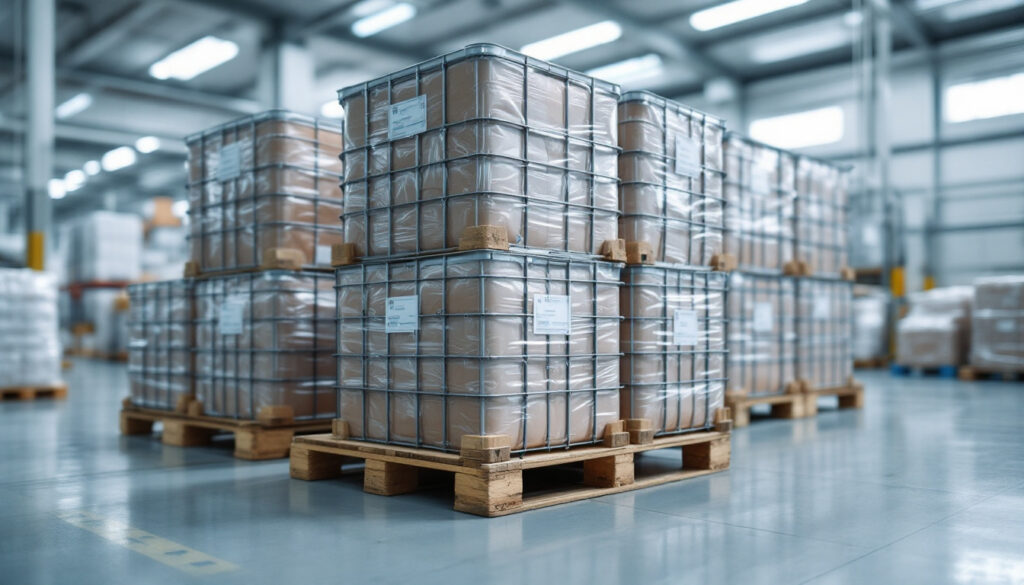




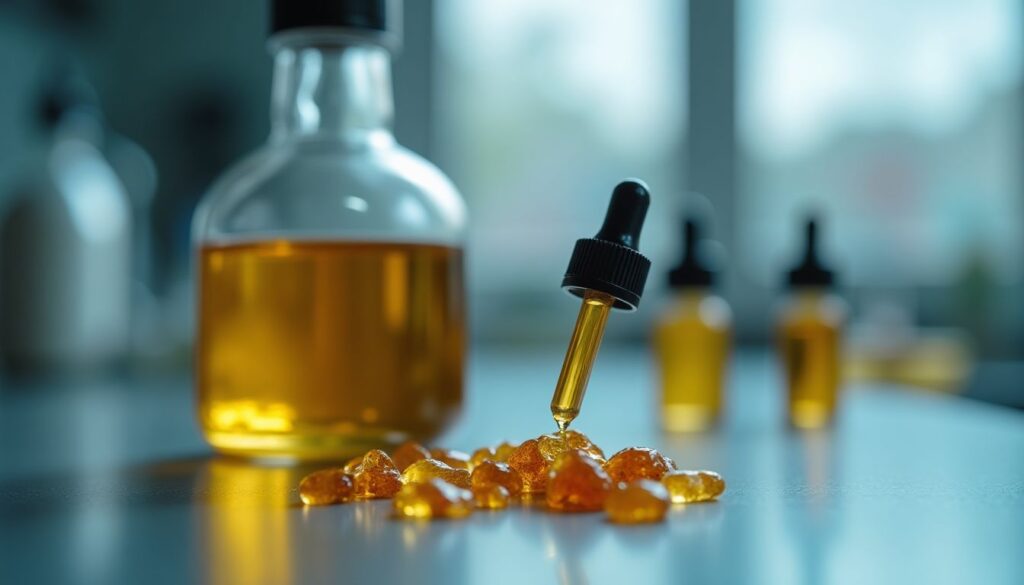
Extraction strips terpenes out. That is not a bug in your process, it is physics. The heat, vacuum, and solvent recovery that turn crude oil into clean distillate, or that purge a rosin, pull off the same volatile aromatic compounds that gave the flower its smell and character in the first place. What you are left with is potent, but flat. Reintroduction is how you put the soul back.
For extraction facilities and concentrate brands, the sourcing decision behind that reintroduction is one of the most consequential calls you will make. Live cannabis-derived terpenes or botanical replacements? The answer shapes your cost structure, your compliance exposure, and whether your product tastes like the strain on the label or a rough approximation of it. Here is how to think it through.
What Is Terpene Reintroduction?
Terpene reintroduction is the practice of adding terpenes back into a concentrate after they were lost during extraction and post-processing. Distillate, refined rosin, and hash all lose aromatic volatiles somewhere along the way, so producers blend a measured terpene fraction back into the base to restore aroma, flavor, and viscosity.
The reason it matters is simple. A stripped distillate has close to zero smell. Consumers do not buy odorless, and they associate specific aromas with specific effects and quality. Reintroduction is what makes a vape cart or infused product read as a real cannabis experience rather than neutral oil with a potency number attached.
There are two broad sourcing paths. You either use terpenes derived from cannabis itself, or you build a profile from botanical and food-grade aromatic isolates. Most serious operators end up using both, in different products, for reasons we will get into.
The Reintroduction Process, Step by Step
Reintroduction sounds like “just mix them in,” but the mechanics decide whether your product is stable and homogeneous or separates on the shelf. A typical workflow looks like this.
- Start with a clean base. Fully purged distillate, refined rosin, or a decarbed base depending on the format. Know its starting terpene content, which for distillate is usually near zero.
- Choose the target profile. Decide the strain character and total terpene percentage you are aiming for before you weigh anything.
- Warm gently to reduce viscosity. Low, controlled heat makes the base workable without cooking off what you are about to add.
- Weigh terpenes by mass, not volume. Precision here is the difference between batches that match and batches that drift.
- Homogenize thoroughly. Incorporate until fully uniform, avoiding excess heat and air exposure that degrade the volatiles.
- Rest, then test. Let the blend equilibrate, then confirm the final profile and stability before filling.
The discipline that separates good facilities from sloppy ones is documentation. Every batch should have a recorded target, an actual weighed input, and a post-blend test. Without that paper trail you cannot reproduce a hit product, and you cannot troubleshoot a bad one.
Live Cannabis-Derived (CDT) Reintroduction
Cannabis-derived terpenes are collected from the plant itself, often captured during live resin or live rosin production or recovered from the extraction stream. When people talk about the most authentic reintroduction, this is what they mean. The profile came from cannabis, so it carries the minor and trace compounds that a rebuilt botanical blend struggles to replicate exactly.
The upside is authenticity. A live CDT reintroduction tends to taste and smell closest to the source cultivar, and it lets a brand market a genuine strain-specific product. For flagship SKUs where premium positioning justifies the spend, that difference is real and noticeable to experienced consumers.
The downsides are cost and supply. CDT is produced in far smaller volumes, so it typically costs on the order of two to three times more than botanical alternatives, and availability swings with harvests. Yields of recovered terpenes from extraction are small relative to the oil produced, which keeps supply tight and prices elevated. Brands building around live-derived profiles often source through specialist suppliers rather than making everything in-house, and options like Entour’s live-derived terpene blends exist precisely because consistent CDT-style supply is hard to guarantee batch to batch.
Botanical and Synthetic Reintroduction
Botanical reintroduction rebuilds a target aroma using terpenes sourced from other plants, citrus, pine, herbs, and food-grade aromatic isolates, blended to approximate a cannabis profile. Because the individual terpene molecules are identical regardless of source, a myrcene is a myrcene, a well-formulated botanical blend can get remarkably close on the dominant notes.
The advantages are cost, consistency, and supply. Botanical inputs are produced at industrial scale for the flavor and fragrance world, so they are cheaper, available year round, and reproducible batch after batch. For volume products where margin matters and the label does not promise single-strain authenticity, botanical reintroduction is usually the pragmatic choice.
The trade-off is authenticity at the edges. A botanical blend nails the major terpenes but rarely captures every trace compound that makes a specific cultivar unique, so the experience can read as “close” rather than “exact” to a discerning palate. On the fully synthetic end, some isolates are manufactured chemically rather than plant-extracted, which raises the same identical-molecule point but adds sourcing and labeling questions worth vetting with your supplier.
The Hybrid Approach Most Operators Actually Use
In practice, the smart move is rarely all one or all the other. The pattern that works for a lot of concentrate brands is a tiered lineup.
- Flagship and limited-drop SKUs get live CDT reintroduction, where the premium price supports the higher input cost and the authenticity becomes a selling point.
- Core and value SKUs get botanical reintroduction, where cost control and year-round consistency keep the product shippable and the margin healthy.
This lets you tell an honest story at both ends of your catalog. Your top shelf is genuinely cannabis-derived, and your everyday line is consistent and affordable. The risk is labeling. If you use botanical terpenes, do not imply the product is strain-authentic CDT. Regulators and informed consumers both punish that mismatch, and it is entirely avoidable with clear language.
Getting the split right starts with tasting real options against your base oil. Running a structured terpene sample evaluation lets you compare reintroduction-compatible profiles side by side before you commit a production run to any single sourcing path.
Quality Control Specs That Actually Matter
Reintroduction lives or dies on specs. These are the parameters your QC program should be pinning down, ideally backed by GC-MS analysis rather than nose alone.
- Total terpene percentage. Finished concentrates commonly land in a range of a few percent up to the low double digits by weight. Too little and the product is flat, too much and you hit harshness, thin viscosity, or solubility problems.
- Solubility and homogeneity. The terpene load has to fully incorporate into the base and stay incorporated. Separation, cloudiness, or a layer at the top of a cart is a formulation failure, not a cosmetic quibble.
- Stability over time. The profile should hold through your expected shelf life without oxidation or aroma drift. Volatiles degrade, so test aged samples, not just fresh ones.
- Aroma and profile consistency. Batch-to-batch matching is what builds a repeat buyer. A verified profile per lot, checked against your target, is the only way to promise that.
This is where a partner with analytical infrastructure earns its keep. Entour operates alongside True To Plant with in-house GC-MS testing and cGMP-aligned formulation under founder Dr. Jeffrey Raber, which is the kind of documentation trail that survives an audit and lets you reproduce a winning blend on demand. Whatever supplier you use, insist on lot-level testing data.
The Regulatory Note You Cannot Skip
Sourcing is not only a quality decision, it is a compliance one, and the two paths sit in very different legal boxes.
Cannabis-derived terpenes carry the plant’s regulatory status. Under United States federal law, cannabis and its extracts remain controlled, and CDT is generally handled within state-regulated cannabis programs. That means CDT is effectively state-specific and cannot cross state lines the way an ordinary commodity can. A CDT profile produced under one state’s program is tied to that market, which complicates multi-state operators and any interstate supply plan.
Botanical terpenes are simpler. Because they are sourced from non-cannabis plants and food-grade materials, they are widely handled as flavoring and fragrance ingredients and are not bound to cannabis-specific channels in the same way. That regulatory ease is a real part of why botanical reintroduction dominates high-volume production. None of this is legal advice, and the specifics shift by state and over time, so confirm current rules with counsel before you build a sourcing strategy around either path.
Live CDT vs Botanical at a Glance
| Factor | Live CDT | Botanical |
|---|---|---|
| Cost | Higher, often roughly 2 to 3x botanical | Lower, industrial-scale pricing |
| Authenticity | Closest to source cultivar, captures trace compounds | Strong on major notes, approximate at the edges |
| Legality | Tied to cannabis status, generally state-restricted, no interstate movement | Widely handled as flavor/fragrance, simpler to source and ship |
| Consistency | Varies with harvest and supply | Highly reproducible, year-round availability |
| Best fit | Flagship, premium, strain-authentic SKUs | Core, value, high-volume SKUs |
Choosing Your Path
There is no universally correct answer, only the answer that fits your product tier, your margins, and the markets you sell into. If your brand is built on authenticity and your price point supports it, live CDT is worth the cost and the supply headaches for your hero products. If you are moving volume where consistency and margin decide survival, botanical reintroduction is the workhorse. Most operators land on a hybrid because it is the honest and profitable middle.
The one thing not worth cutting corners on is testing. Sourcing decisions made on aroma memory instead of data are how brands end up with batches that do not match and shelves that do not sell. If you want to compare reintroduction-compatible profiles against your own base oil before committing a run, start with a structured sample evaluation and build your lineup on what the analysis actually shows.