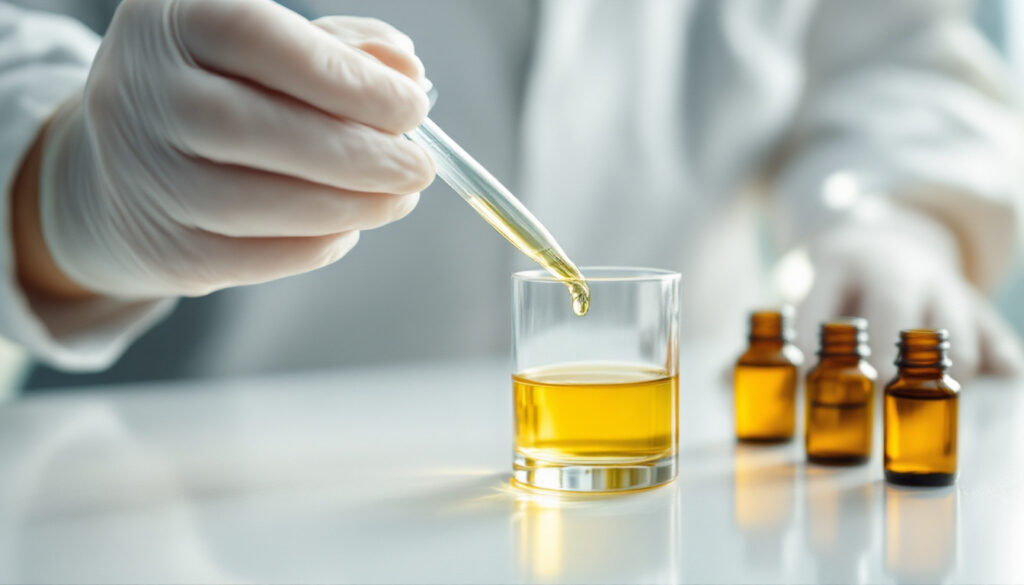




Every time you uncap lavender or citrus essential oil, you’re experiencing terpenes volatile aromatic compounds that define each plant extract’s distinctive scent profile. These naturally occurring molecules don’t just create pleasant aromas. They deliver the physiological benefits that make aromatherapy scientifically relevant.
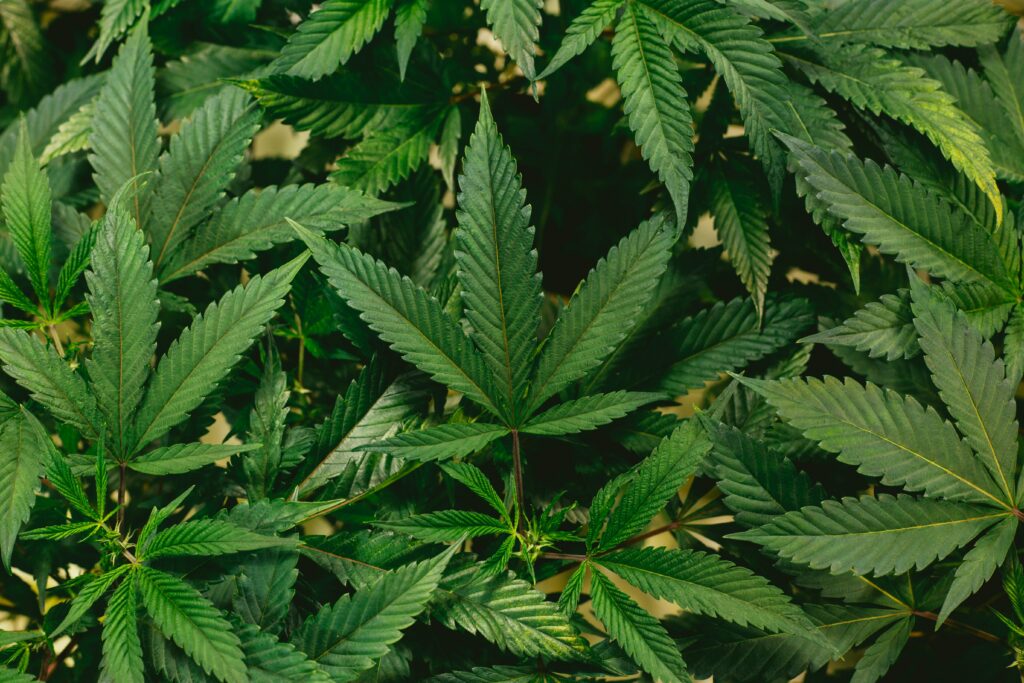
Terpenes sometimes originate in specialized microscopic structures called glandular trichomes tiny resin-producing factories dotting plant surfaces. In cannabis and hemp, these mushroom-shaped glands manufacture and store terpene compounds alongside cannabinoids. But cannabis represents just one small corner of the terpene world.
So, what are terpenes in essential oils? They are the same aromatic compounds responsible for the distinctive scents, flavors, and therapeutic effects found in countless plants. Lavender flowers produce linalool in their trichomes, creating that distinctive calming scent. Citrus peels concentrate limonene in oil glands just beneath the surface. Pine trees synthesize pinene in resin ducts throughout their needles and bark. These terpenes in the respective essential oils serve identical chemical functions whether extracted from cannabis or other botanical sources.
The science behind terpenes in essential oils extends from cannabis applications to everyday wellness solutions. Gas Chromatography-Mass Spectrometry (GC-MS) analysis now allows formulators to identify specific terpene concentrations, transforming aromatherapy from traditional practice into data-driven science. Whether you’re blending therapeutic formulations or exploring natural wellness platforms, terpene profiles provide the foundation for evidence-based aromatic solutions.
What Are Terpenes – The Aromatic Molecules in Essential Oils
Terpenes are organic compounds built from five-carbon isoprene units that serve as the primary constituents of plant essential oils. These volatile molecules originate from a universal precursor called isopentenyl pyrophosphate (IPP), which plants synthesize through specialized metabolic pathways to produce thousands of distinct aromatic profiles.
The classification system organizes terpenes by their isoprene building blocks. Monoterpenes contain two isoprene units (C10), creating lighter compounds like the refreshing notes in peppermint and eucalyptus. Sesquiterpenes combine three units (C15), producing heavier molecules found in sandalwood and patchouli. This structural diversity generates the vast range of aromas across different essential oil varieties.
In nature, plants produce these compounds for biological defense—deterring herbivores while attracting pollinators through targeted volatile emissions. When extracted as essential oils, these same molecules require proper dilution in carrier oils before topical application. Understanding what is a carrier oil for essential oils becomes essential, as base oils provide the lipid medium that enables safe terpene delivery to skin.
Modern analytical platforms use Gas Chromatography-Mass Spectrometry to quantify specific terpene concentrations in essential oil batches. This data-driven approach transforms traditional aromatherapy into scientifically validated wellness solutions, where formulators can predict therapeutic outcomes based on measurable terpene profiles rather than subjective fragrance descriptions.
Which Essential Oils Contain Terpenes?
All essential oils contain terpenes, but concentrations and dominant compounds vary significantly across botanical sources. Recent Gas Chromatography-Mass Spectrometry analysis reveals specific terpene profiles that differentiate therapeutic applications.
Lavender essential oil demonstrates high linalool content, typically representing 25–38% of total composition. This monoterpene alcohol contributes to the calming properties documented in clinical aromatherapy research. Thyme and sage oils contain thymol and cineole as primary constituents, offering distinct aromatic signatures compared to floral profiles.
Citrus essential oils concentrate limonene at 90–95% in varieties like sweet orange and lemon. This monoterpene creates the characteristic bright aroma while serving as a natural feedstock for synthetic fragrance development. Pine and fir oils deliver alpha-pinene and beta-pinene as dominant compounds, extracted from conifer resins through steam distillation.
Black pepper essential oil contains diverse monoterpenoid structures, with beta-caryophyllene and limonene appearing as major components. Hemp essential oils preserve volatile monoterpene assemblies when processed rapidly post-harvest, maintaining full aromatic integrity without psychoactive compounds.
When formulating with these terpene-rich extracts, proper dilution in carrier oil for essential oils remains non-negotiable. Base oils provide the lipid infrastructure that enables controlled delivery of these concentrated plant compounds to skin, preventing irritation while optimizing absorption rates across different therapeutic applications.
Historical Uses of Terpenes Across Civilizations
Ancient civilizations recognized terpene-rich plant extracts centuries before modern chemistry identified their molecular structures. Egyptian embalmers incorporated frankincense and myrrh resins—both concentrated in sesquiterpene compounds—into mummification protocols as early as 3000 BCE, preserving remains through antimicrobial aromatic applications.
Traditional Chinese medicine systematized camphor extraction from Cinnamomum camphora during the Tang dynasty, deploying this terpenoid ketone in ceremonial incense and therapeutic formulations. Indian Ayurvedic practitioners documented sandalwood’s alpha-santalol content for meditation practices and anti-inflammatory skin treatments, establishing protocols that predate contemporary carrier oil dilution methods by millennia.
The scientific isolation of individual terpenes began in the 1800s when European chemists first crystallized camphor and identified turpentine’s pinene constituents. This analytical foundation enabled the 20th-century development of Gas Chromatography-Mass Spectrometry platforms, which transformed ancestral botanical knowledge into quantifiable data.
What Are Terpenes For Dummies? A Simple Explanation
Think of terpenes as nature’s messaging system between plants and animals. When you inhale lavender’s calming scent or feel energized by citrus, you’re experiencing how these aromatic molecules communicate directly with your brain and body through measurable biological pathways.
The process starts in your olfactory system, where airborne terpene molecules bind to receptors that signal your brain’s limbic region—the control center for emotions and memory. Limonene from orange oil can influence serotonin pathways associated with elevated mood. Linalool from lavender interacts with neurotransmitter systems that regulate stress response.
When applied topically in proper carrier oil dilution ratios, terpenes penetrate skin barriers through their small molecular structure. Some compounds like limonene actually enhance absorption of other active ingredients, creating synergistic delivery platforms that amplify therapeutic outcomes beyond individual components alone.
Health Benefits and Therapeutic Effects of Terpenes
Terpenes deliver measurable therapeutic outcomes that extend far beyond pleasant aromas. Clinical research demonstrates significant anti-inflammatory and analgesic properties, particularly when terpene-rich formulations combine with complementary therapies.
Beta-caryophyllene interacts directly with CB2 receptors in the endocannabinoid system, modulating inflammatory responses without psychoactive effects. Pinene demonstrates bronchodilatory action while supporting memory retention through acetylcholinesterase inhibition.
Mood regulation represents another validated application domain. Limonene influences serotonin pathways associated with stress reduction, while linalool modulates GABA neurotransmitter activity to decrease anxiety responses.
Safe topical application requires proper dilution ratios between 1–10% terpene concentration in carrier oil bases.
Do Higher Terps Get You Higher? Understanding the Entourage Effect
Higher terpene concentrations don’t directly produce psychoactive effects, but they significantly modulate how cannabinoids interact with the endocannabinoid system. This synergy—called the entourage effect—means terpene-rich formulations can intensify, soften, or redirect cannabinoid experiences.
Pinene counteracts short-term memory impairment from THC through acetylcholinesterase inhibition. Myrcene increases blood-brain barrier permeability. These mechanisms explain why identical cannabinoid concentrations produce different outcomes depending on accompanying terpene profiles.
The relationship between terpenes versus cannabinoids is cooperative, not competitive. Precision terpene profiling now enables formulators to engineer predictable experiential outcomes based on quantified constituent ratios rather than strain genetics alone.
What Is the 20-30-50 Rule for Essential Oils?
The 20-30-50 rule guides aromatic blending by balancing fragrance note categories:
- 20% top notes — monoterpenes like limonene and pinene
- 30% middle notes — linalool, geraniol
- 50% base notes — heavier sesquiterpenes like patchouli or sandalwood
This creates layered aromatic profiles with stability and longevity.
Complete Guide to Common Terpenes and Their Properties
Individual terpene molecules create distinct therapeutic signatures. This complete terpenes guide breaks down major compounds:
Limonene
Dominates citrus oils at 90–95% concentration. Limonene supports metabolic function and enhances transdermal absorption.
Beta-Caryophyllene
A major sesquiterpene in hemp and black pepper; selectively binds CB2 receptors.
Pinene (alpha & beta)
Found in pine, rosemary, and fir oils. Pinene supports respiratory function and memory.
Myrcene
Concentrated in hops, lemongrass, and certain cannabis cultivars; promotes relaxation.
Terpinolene
Provides herbal–floral notes and supports sleep quality.
Harnessing Terpenes for Wellness and Product Innovation
Understanding terpene applications requires balancing therapeutic potential with safety protocols. Supercritical CO₂ extraction and encapsulation technologies now maintain terpene integrity more effectively than traditional methods.
Entour’s True To Plant technology exemplifies data-driven terpene preservation by analyzing 200+ compounds to create cultivar-specific formulations.
Always dilute essential oils, conduct patch testing, and consult healthcare providers for therapeutic use.