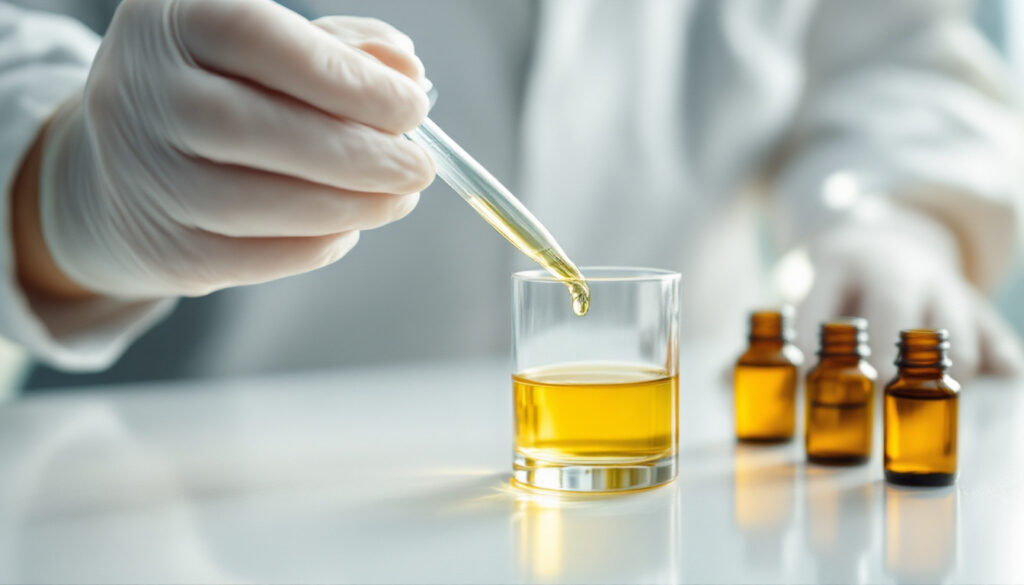




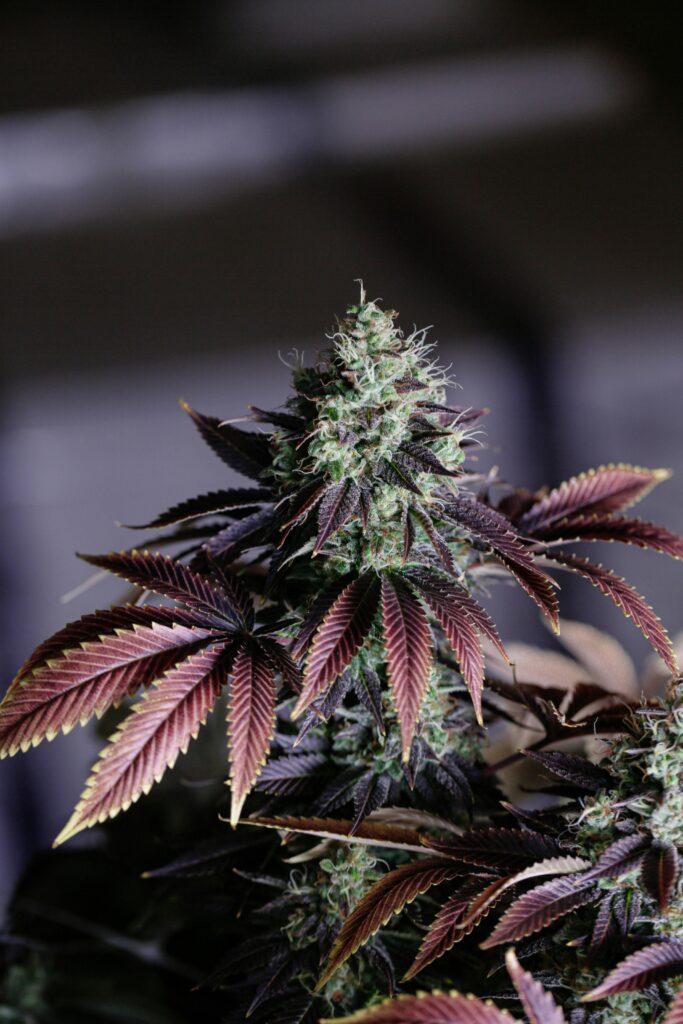
That calming cup of herbal tea, the black pepper in your grinder, the lavender oil in your diffuser – they all share something fundamental. Terpenes, the aromatic compounds responsible for these distinct scents, represent far more than pleasant aromas. These bioactive molecules comprise 90% of essential oils and drive the $38.7 billion aroma chemicals market, where terpenes are explained through their molecular structures and therapeutic potential.
Scientific research published in 2025 demonstrates how terpenes like carnosic acid and eugenol suppress inflammatory pathways in your body’s cells, offering evidence-based support for their use as a natural remedy. Clinical studies now track how these compounds interact with specific receptor channels, moving terpene benefits from traditional wellness practices into documented pharmacological territory. Where plant aroma meets science, you’ll find monoterpenes – those two-unit isoprene structures – demonstrating anti-inflammatory and neuroprotective activities in controlled laboratory settings.
World of Terpenes focuses on translating this emerging research into practical applications, bridging the gap between cannabis-derived and botanical terpene sources. Whether you’re seeking stress relief through aromatic compounds or exploring terpenes as a muscle relaxant for chronic pain, the science reveals measurable biological mechanisms rather than anecdotal claims.
What is the Science Behind Terpenes?
Your body contains specific biological systems that respond directly to terpene exposure. The endocannabinoid system, discovered in the 1990s, features CB2 receptors that certain terpenes activate to modulate immune system responses. Beta-Caryophyllene, found in black pepper and cannabis, acts as a full agonist at these CB2 receptors according to a 2022 study, binding to them without requiring cannabinoids like Tetrahydrocannabinol (THC) present.
Beyond the endocannabinoid system, terpenes interact with TRPV1 receptor channels – proteins embedded in your cell membranes that regulate pain perception and inflammatory responses. These ion channels respond to temperature, pressure, and specific aromatic compounds, creating measurable physiological changes when activated. Beta-Caryophyllene also binds to TRPV1 channels, producing desensitizing effects that contribute to its potential as a natural remedy for chronic pain.
The cellular pathways terpenes influence extend into immune regulation. Terpinen-4-ol, a bioactive compound in essential oils, regulates proinflammatory pathways at the molecular level, reducing neuroinflammation through documented biochemical mechanisms. Alpha-pinene and d-limonene demonstrate anti-inflammatory effects in conditions ranging from bronchitis to osteoarthritis by inhibiting specific cellular signaling cascades.
World of Terpenes tracks ongoing clinical research, including registered studies assessing analgesic effects of terpenes both independently and combined with cannabinoids. These trials examine dosage parameters and safety profiles across botanical sources – comparing cannabis-derived terpenes to those extracted from lavender oil, herbal tea, and other plant materials. Whether you’re exploring terpene benefits through aromatherapy or considering them as a muscle relaxant for stress relief, understanding terpene science requires examining these receptor interactions and cellular responses supported by peer-reviewed research.
1. Limonene: The Citrus Powerhouse for Stress Relief and Immune Support
When you peel an orange, that bright citrus aroma comes from Limonene – a bioactive compound that does more than create pleasant scents. A study published in BMC Complementary and Alternative Medicine found that this aromatic compound improves anxiety-like states by interacting with serotonin receptors in your brain’s neurochemistry. You’ll find Limonene in citrus essential oils, herbal tea blends, and cannabis strains, offering anxiety support through documented receptor interactions.
The limonene terpene benefits extend beyond mental wellness into immune system territory. Research published in 2025 demonstrates how Limonene-containing formulations aid in DNA repair and regulate immune responses at the cellular level. These immunomodulatory effects work through plant immune response proteins, creating measurable biological changes in your body’s defense mechanisms. World of Terpenes examines both cannabis-derived and botanical sources of Limonene, comparing concentration levels and bioavailability across different extraction methods.
Clinical observations show Limonene provides stress relief through its interaction with neurotransmitter systems, though research indicates limited impact on depression symptoms specifically. You can access this natural compound through lavender oil blends, black pepper formulations, or direct inhalation of citrus essential oils. The therapeutic potential appears strongest for acute anxiety states rather than chronic pain applications, distinguishing it from muscle relaxant terpenes like Myrcene.
Safety considerations remain important – while Limonene demonstrates low toxicity in documented studies, you should start with minimal exposure through aromatherapy before exploring concentrated forms. The scientific consensus supports Limonene as a natural remedy for stress-related conditions when used appropriately.
2. Linalool: Nature’s Muscle Relaxant from Lavender and Beyond
A 2026 study examining Parkinson’s disease patients revealed something remarkable about Linalool – this aromatic compound found in lavender oil doesn’t just create soothing scents. The research demonstrates how Linalool interacts with your Central Nervous System (CNS) by moderating glutamate, GABA, acetylcholine, and dopamine levels. These neurotransmitter interactions explain why Linalool functions as a muscle relaxant, reducing tension through documented biochemical pathways rather than masking symptoms.
You’ll encounter Linalool primarily in Lavandula angustifolia essential oils, where it appears alongside linalyl acetate, cineole, and camphor as a major bioactive component. Cannabis strains also contain this compound, though botanical sources like herbal tea and lavender oil provide non-cannabis alternatives for accessing linalool terpene benefits. The compound’s interaction with acetylcholinesterase – an enzyme that breaks down acetylcholine in your nervous system – contributes to its calming effects on muscle tissue and supports stress relief applications.
Quality considerations matter when selecting Linalool sources. A 2026 analysis found that just under 65% of 73 lavender products contained less or none of the expected Linalool, linalyl acetate, and cineole concentrations. This variance affects therapeutic outcomes for chronic pain and muscle tension applications. World of Terpenes evaluates both cannabis-derived and botanical Linalool sources to help you identify reliable concentrations for wellness applications.
For topical muscle relaxation, you can apply diluted lavender oil directly to affected areas. Aromatherapy inhalation provides systemic effects through your respiratory system. The scientific evidence supports Linalool as a natural remedy for muscle spasms and tension when sourced from verified products with documented terpene profiles and established quality standards.
3. Myrcene: The Sedative Terpene for Pain and Inflammation Relief
Head and neck cancer patients managing chronic pain present a real-world scenario where myrcene terpene benefits enter clinical discussion. A peer-reviewed study examining medical cannabis for supportive care identifies Myrcene as a key aromatic compound with sedative and analgesic effects, working through CB1 receptor interactions that reduce pain perception. This natural compound appears in cannabis strains, herbal tea blends like lemongrass, and essential oils from hops and bay leaves.
The inflammation relief mechanisms operate at the molecular level. Research published in the Journal of Agricultural and Food Chemistry demonstrates how Myrcene suppresses systemic TNF-α levels – a proinflammatory cytokine that drives fever and tissue inflammation in acute conditions. Male rats exposed to Myrcene showed downregulated inflammatory markers, suggesting therapeutic potential for conditions involving chronic inflammation. Unlike Linalool’s neurotransmitter modulation or Limonene’s immune support, Myrcene targets inflammatory pathways directly.
Cannabis-derived versus botanical Myrcene sources present different concentration profiles. Botanical sources like black pepper and bay laurel provide lower concentrations suitable for aromatherapy applications, while cannabis strains deliver higher bioactive levels. World of Terpenes evaluates these source variations to help you match concentration needs to specific wellness applications, whether addressing muscle tension or systemic inflammation.
Registered clinical studies now examine terpene complexes for hand and wrist pain, testing daily administration protocols. Safety considerations remain under investigation – start with botanical sources through aromatherapy inhalation before exploring concentrated forms. The scientific evidence supports Myrcene as a natural remedy for chronic pain when combined with appropriate additional terpene strategies and documented therapeutic approaches.
4. Caryophyllene: A Terpene That Activates Cannabinoid Receptors
Beta-Caryophyllene stands tall among terpenes – it directly activates CB2 receptors in your endocannabinoid system without requiring cannabinoids present. This aromatic compound found in black pepper, clove, and cannabis acts as a full agonist at CB2 sites, binding to these immune-regulating receptors with measurable selectivity. Unlike THC’s psychoactive CB1 interactions, Caryophyllene targets CB2 receptors concentrated in your peripheral tissues and immune cells. Until only recently, it was the only terpene thought to do so, but not an entire cadre of other terpenes have also been found to act on cannabinoid receptors.
The caryophyllene terpene benefits operate through specific inflammatory pathways. Recent research demonstrates how CB2 activation inhibits NF-κB signaling – a master switch controlling inflammatory responses in your cells. When Beta-Caryophyllene binds to CB2 receptors, it suppresses pro-inflammatory cytokines including IL-1β, IL-6, and TNF-α, reducing tissue inflammation at the molecular level. This NF-κB pathway inhibition explains the compound’s documented effects on chronic pain conditions and systemic inflammation.
You’ll access Beta-Caryophyllene through black pepper essential oils, herbal tea blends, or cannabis strains with high concentrations. World of Terpenes examines dosage protocols emerging from clinical contexts – animal studies using piperine compounds suggest bioavailability enhancement when combined with other botanical extracts. The inflammation relief potential extends beyond aromatherapy into topical applications for muscle tension and oral formulations targeting immune modulation.
Safety profiles remain favorable across botanical sources, though concentrated essential oils require dilution for topical use. This natural remedy offers CB2-mediated stress relief without CNS depression, distinguishing it from sedative terpenes in therapeutic applications.
5. Pinene: The Memory-Enhancing Terpene with Respiratory Benefits
Medical cannabis clinicians encounter a persistent challenge – Tetrahydrocannabinol (THC) can impair short-term memory in patients. Alpha-pinene, the aromatic compound giving pine needles and rosemary their distinctive scent, counteracts this effect through a specific mechanism. This terpene inhibits acetylcholinesterase, an enzyme that breaks down acetylcholine in your brain’s memory centers. By blocking this enzyme, pinene preserves acetylcholine levels necessary for memory formation and recall.
The bronchodilator effects operate through beta-2 adrenergic receptors in your respiratory system. A 2018 Journal of EthnoRespiratory Therapy study documented 40% cough reduction in patients using pinene-containing extracts for bronchitis symptoms. Your bronchial passages relax when pinene activates these receptors, easing airflow in conditions like mild asthma. A 2021 double-blind trial showed 45% cough reduction in bronchitis patients, demonstrating measurable respiratory benefits beyond anecdotal reports.
You’ll find pinene in basil, conifer forests, and herbal tea blends containing rosemary. Cannabis strains provide concentrated sources, while botanical alternatives deliver gentler exposure through aromatherapy. World of Terpenes evaluates acetylcholinesterase inhibition profiles across these sources, comparing cognitive support potential between cannabis-derived and botanical pinene extracts.
The dual action – memory retention through enzyme inhibition plus bronchial relaxation through receptor activation – distinguishes pinene from sedative or anti-inflammatory terpenes. This natural remedy addresses both cognitive and respiratory wellness through separate molecular pathways, offering therapeutic potential for conditions affecting breathing and mental clarity.
What is the Most Powerful Terpene?
Defining “most powerful” requires context – Beta-Caryophyllene activates CB2 receptors directly, while Myrcene enhances opioid analgesia by 200% in preclinical studies. Limonene reduces THC-induced anxiety through serotonin modulation, demonstrating potency in specific applications rather than universal superiority.
| Terpene | Primary Mechanism | Strength Context |
| Beta-Caryophyllene | CB2 receptor agonist | Only terpene activating cannabinoid receptors |
| Myrcene | Opioid pathway modulation | Strongest analgesic enhancement (200% boost) |
| Limonene | Serotonin receptor interaction | Most effective for anxiety reduction |
Bioavailability shapes therapeutic outcomes across administration routes. Sublingual delivery provides 12-35% absorption for cannabinoid-terpene combinations, while rectal administration increases systemic exposure. Health Canada recommends starting with 2.5 mg THC equivalents when using terpene-rich cannabis products, titrating gradually to optimize benefits while minimizing adverse effects.
World of Terpenes evaluates types of terpenes across botanical and cannabis sources, comparing concentration profiles that affect potency. The entourage effect – synergistic interactions between multiple aromatic compounds – often produces stronger therapeutic outcomes than isolated terpenes, making “most powerful” dependent on your specific wellness goals rather than single-compound comparisons.
How to Incorporate Terpene Benefits Into Your Daily Routine
- Aromatherapy Diffusion for Stress Relief – Add 3-5 drops of lavender oil or citrus essential oils to a diffuser for respiratory delivery. Orange oil, containing high Limonene concentrations, holds 25.53% market share in aromatherapy applications for documented anxiety reduction. Start with 15-minute sessions to assess tolerance before extending exposure.
- Topical Application for Chronic Pain – Dilute essential oils to 2-3% concentration in carrier oils before applying to affected areas. Beta-Caryophyllene from black pepper and Linalool from lavender oil provide muscle relaxant effects through skin absorption. World of Terpenes recommends patch testing diluted formulations on small skin areas first.
- Herbal Tea for Daily Intake – Brew lemongrass tea for Myrcene exposure or rosemary tea for Pinene benefits. Dietary sources deliver lower terpene concentrations than essential oils, making them suitable for gentle, sustained intake throughout the day.
- Dosage Considerations – Begin with minimal exposure through aromatherapy before exploring concentrated forms. A 2025 review notes limited clinical trial data on human safety for concentrated terpene consumption. Avoid high-heat applications that may degrade aromatic compounds.
- Safety Guidelines Competitors Miss – Keep essential oils away from children and pets due to concentrated bioactive levels. Never apply undiluted terpenes to skin. Avoid internal consumption without professional guidance, as lipophilic terpenes require specific dosing protocols not established for consumer use.
Harnessing the Power of Terpenes in 2026
The scientific validation of terpene benefits continues accelerating through registered clinical trials examining analgesic effects and therapeutic applications. From Beta-Caryophyllene’s unique CB2 receptor activation to Pinene’s documented bronchodilator properties, these aromatic compounds demonstrate measurable biological mechanisms across multiple wellness applications. Whether you’re accessing Linalool through lavender oil for muscle relaxation, inhaling Limonene for stress relief, or exploring Myrcene’s anti-inflammatory pathways, the evidence base expands beyond traditional use into pharmacological territory.
Cannabis-derived and botanical sources both deliver bioactive terpenes, though concentration profiles and extraction methods significantly affect therapeutic outcomes. The aroma chemicals market reaches $6.09 billion in 2026, reflecting growing consumer recognition of these natural compounds for chronic pain management, immune support, and respiratory wellness.
World of Terpenes synthesizes emerging research into accessible guidance, helping you navigate terpene sources, dosage considerations, and safety protocols that competitors overlook. As clinical studies advance from preclinical models into human trials, the distinction between anecdotal wellness claims and evidence-based therapeutic applications becomes increasingly clear. Start with aromatherapy exposure to identify your response patterns before exploring concentrated formulations.