




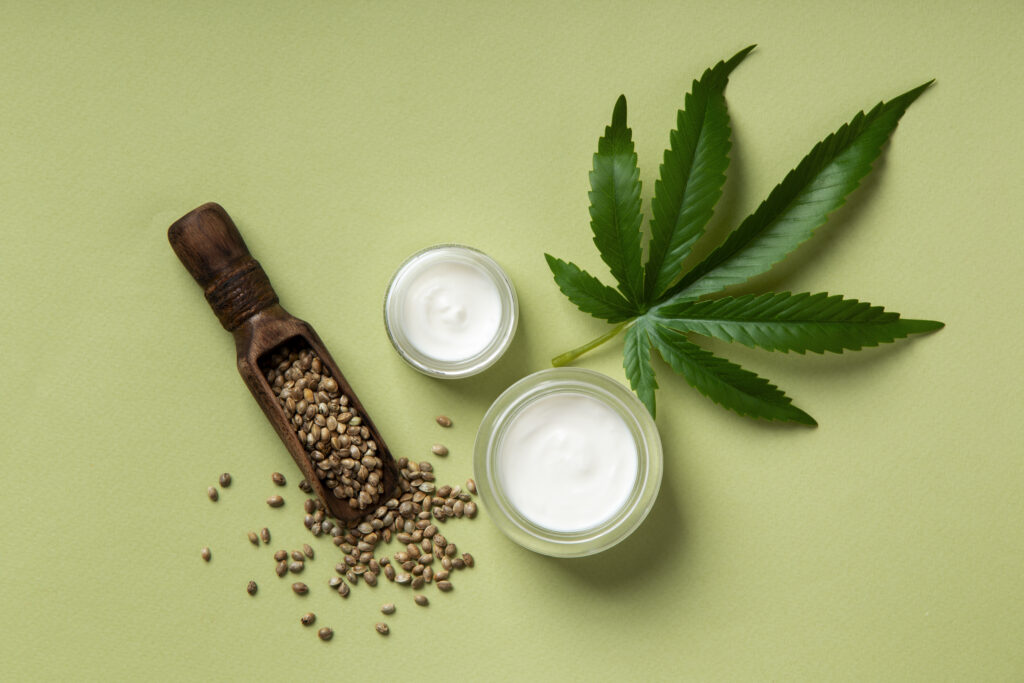
Terpenes are organic compounds responsible for the aroma and flavor of many plants. They are found in citrus fruits, herbs, and especially cannabis. Beyond scent, terpenes may influence how plants interact with the body, which has led scientists to investigate their role in pain relief.
Unlike cannabinoids such as THC and CBD, terpenes do not bind strongly to cannabinoid receptors. For a clear comparison, learn more in our terpenes vs. cannabinoids article.
Why Researchers Are Interested in Terpenes for Pain Relief
Pain is complex and can originate from inflammation, nerve injury, or chronic conditions like arthritis. Many conventional pain medications come with side effects like stomach issues, dependency risk, or tolerance build-up.
Terpenes are being studied because they might offer:
- Anti-inflammatory effects
- Analgesic (pain-reducing) properties
- Synergy with cannabinoids or other compounds
- Better safety profiles in some cases
Let’s explore what clinical evidence exists.
Key Terpenes Studied for Pain Management
1. Beta-Caryophyllene
Beta-caryophyllene stands out among terpenes because it can interact with the body’s CB2 receptors, which are linked to immune response and inflammation. Some clinical studies suggest that it may help reduce inflammatory pain, making it a promising candidate for conditions like arthritis.
While research is still emerging, beta-caryophyllene has shown potential in human and animal models, and it’s often highlighted in terpene-rich strains many of which feature in the best cannabis strains to buy in 2026.
2. Myrcene
Myrcene is one of the most common terpenes in cannabis and many herbs. Clinical and preclinical studies indicate it may help with muscle relaxation and have analgesic effects when used alone or alongside other compounds.
This terpene is known for earthy and musky notes and is often associated with sedative effects in specific strains.
3. Limonene
Limonene, found in citrus fruits and some cannabis varieties, has been studied for its anti-inflammatory properties. Some small clinical studies suggest it could reduce inflammation and improve mood both factors that may influence pain perception.
4. Linalool
Often linked with floral scents, linalool has demonstrated calming and anti-anxiety effects in clinical research. Anxiety can make pain feel worse, so linalool’s potential to support relaxation may indirectly aid pain management.
What Clinical Studies Are Telling Us (2026 Update)
As of 2026, clinical evidence on terpenes and pain is growing but still limited compared to cannabinoid research. Here’s what the studies are showing:
Human Clinical Trials Are Emerging
A small number of human studies have investigated terpene use for pain conditions such as chronic musculoskeletal pain, neuropathy, or osteoarthritis. Results so far indicate:
- Terpenes paired with cannabinoids may offer better pain relief than cannabinoids alone.
- Beta-caryophyllene shows promise for reducing inflammatory markers in chronic pain patients.
- Some terpene combinations appear to improve quality of life measures like sleep and discomfort.
However, larger controlled trials are still needed to confirm these findings.
Synergy With Cannabinoids — The “Entourage Effect”
The idea that terpenes and cannabinoids work together to enhance effects is called the entourage effect. Some clinical research supports this concept, suggesting that terpene-rich extracts may provide different outcomes than isolated compounds.
This synergy is part of what makes terpene profiles exciting for both researchers and consumers especially when exploring strain effects seen in the best cannabis strains to buy in 2026.
Limitations and Considerations
Despite promising signs, several key limitations remain:
- Sample Size – Many human studies are small.
- Standardization – Different terpene concentrations make comparisons difficult.
- Isolated vs. Blended Use – Effects may differ when terpenes are isolated versus used in full extracts.
- Regulatory Variances – Legal status and research funding vary by location.
Because of these gaps, more large-scale clinical trials are essential for decisive conclusions.
Practical Takeaways for Anyone Interested in Terpenes and Pain
Here’s what this 2026 review suggests:
Terpenes like beta-caryophyllene and myrcene show potential for pain-related benefits.
Clinical evidence is growing but not definitive.
Combinations of terpenes with cannabinoids might offer stronger effects.
Always consult a healthcare provider before using terpenes for pain management.