
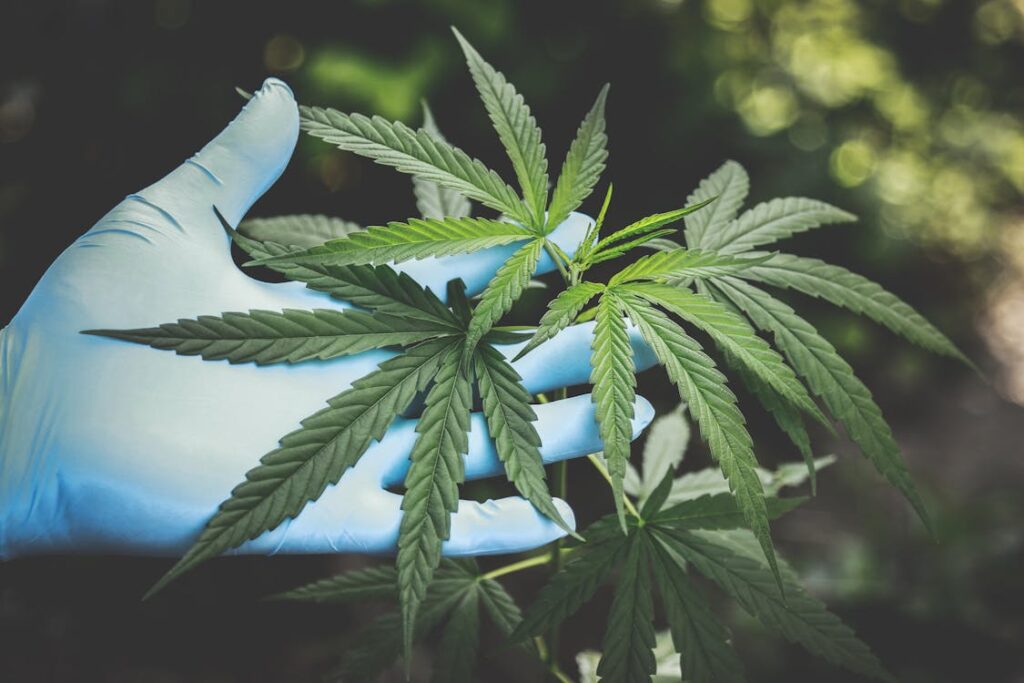
Yes, terpenes are generally safe when sourced from quality suppliers and used at appropriate concentrations. These aromatic compounds occur naturally in plants you encounter daily – citrus peels, pine trees, lavender – and most pose minimal risk at typical exposure levels. The question isn’t whether terpenes are inherently dangerous, but how to use them responsibly.
Terpene safety has become a hot topic as the market explodes toward $8.82 billion by 2030. Consumers are moving beyond novelty, demanding forensic-level focus on purity and lab-verified quality. World of Terpenes recognizes this shift, where plant aroma meets science in an era of heightened scrutiny around concentrated terpenes and their health effects.
What Are Terpenes? Understanding These Bioactive Compounds
Terpenes are aromatic compounds produced by plants that give them their distinctive scents and flavors. Found in everything from lavender to lemons to cannabis, these bioactive compounds serve as nature’s chemical messengers – protecting plants from predators while attracting pollinators. Over 30,000 terpene variants exist across the plant kingdom, making them one of the most diverse groups of organic molecules.
You’ve encountered natural terpenes your entire life. The citrus burst from an orange peel? That’s limonene. The calming scent of lavender? Linalool. Pine forest freshness? Alpha-pinene. Cannabis terpenes have gained particular attention because they work alongside cannabinoids to shape the plant’s effects – a phenomenon researchers study intensively.
The distinction between natural and synthetic terpenes matters for terpene safety. Natural terpenes are extracted directly from botanical sources through steam distillation or cold pressing. Synthetic variants are laboratory-created to mimic the same molecular structure, often at lower cost but with potential purity concerns. Concentrated terpenes from either source require careful handling – these aren’t gentle essential oils at full strength.
Understanding terpenes in cannabinoids helps you navigate product labels and make informed choices about terpene consumption for specific health effects terpenes may offer.
Are Terpenes Safe? The Science-Backed Answer
Terpenes are safe when used correctly, but concentrated terpenes require caution. Research shows these compounds are non-toxic at typical exposure levels – you’ve been safely inhaling them from forests and citrus fruits your whole life. The danger emerges when concentrated terpenes are consumed undiluted or at excessive doses, potentially causing skin irritation, respiratory issues, or allergic reactions.
The science backs up cautious optimism. Studies on forest terpene exposure demonstrate positive health effects including reduced stress hormones and improved immune function, with researchers noting benefits from natural terpene consumption at environmental concentrations. The key distinction: natural terpenes in whole plants versus isolated, concentrated forms.
Concentrated terpenes pose real risks when mishandled. Pure terpene isolates can reach 95-99% concentration – far beyond what occurs in nature. At these levels, compounds like limonene or pinene become skin irritants and mucous membrane sensitizers. Pregnant women should avoid juniper-derived and coniferous terpenes entirely due to insufficient safety data. Anyone with respiratory sensitivities needs extra vigilance around vaporized terpene products.
Safe terpene consumption follows clear guidelines: follow the dilution directions on the product label, verify third-party lab testing for purity, and start with small amounts. The terpenes benefits you’re seeking – whether relaxation from myrcene or mood elevation from limonene – don’t require dangerous concentrations. Understanding are botanical terpenes safe helps you distinguish between quality-controlled products and risky formulations.
Terpene safety ultimately depends on source quality, concentration levels, and your individual health profile. The compounds themselves aren’t inherently dangerous, but respect for their bioactive potency is non-negotiable.
What Are the Negative Side Effects of Terpenes?
Terpenes irritation manifests as skin rashes, respiratory sensitivity, and allergic reactions when concentrated formulas exceed safe limits. Higher concentrations raise the chance of adverse effects, and topical applications call for extra care to avoid contact dermatitis.
1. Skin Irritation and Contact Dermatitis
Pure, undiluted terpene isolates act as potent skin irritants. Limonene, pinene, and linalool cause redness, burning, and allergic contact dermatitis when applied undiluted. Always dilute concentrated terpenes in carrier oils before topical use.
2. Respiratory Sensitivity and Airway Inflammation
Vaporizing or inhaling concentrated terpenes triggers coughing, throat irritation, and bronchial constriction in sensitive individuals. Cannabis terpenes at excessive concentrations overwhelm respiratory defenses, particularly problematic for asthma sufferers or those with existing lung conditions.
3. Mucous Membrane Reactions
Eyes, nose, and throat tissues react strongly to airborne terpene vapors above safe thresholds. Symptoms include watery eyes, nasal congestion, and throat scratchiness – your body’s warning that terpene consumption has exceeded comfortable levels.
4. Allergic Reactions in Susceptible Individuals
Some people develop true allergies to specific natural terpenes, experiencing hives, swelling, or anaphylaxis. Citrus-derived terpenes and pine-based compounds trigger the most frequent allergic responses.
5. Gastrointestinal Distress from Oral Ingestion
Swallowing undiluted terpenes causes nausea, stomach pain, and vomiting. Even properly diluted oral terpene products may upset sensitive stomachs when taken on an empty belly.
Understanding terpene benefits research helps you balance therapeutic potential against these real risks. The health effects terpenes produce depend entirely on concentration, application method, and your individual tolerance – not the compounds themselves.
What Terpenes Should I Stay Away From? Safety by Population and Condition
Pregnant women should avoid juniper-derived and coniferous terpenes due to uterine-stimulating effects, while individuals on warfarin, anticonvulsants, opioids, or benzodiazepines face over 100 known drug interactions through CYP450 metabolism pathways. Children under 18 should not be given concentrated terpene products at all.
Pregnancy and Breastfeeding
Juniper berries contain terpenes that directly stimulate uterine contractions, creating miscarriage risk throughout all trimesters. Cannabis terpenes can reverse placental drug transfer mechanisms, potentially flooding fetal circulation with medications previously considered safe. Current medical consensus recommends complete abstinence from concentrated terpenes during preconception, pregnancy, and lactation periods.
Children and Adolescents
Natural terpenes require strict age restrictions because developing brains and smaller body masses amplify health effects terpenes produce. Concentrated terpene products are not intended for minors, and most guidance suggests 18+ age limits for terpene consumption beyond trace amounts in whole foods.
Medication Interactions
Terpenes hijack the same liver enzymes (CYP450 system) that process prescription drugs, accelerating or blocking medication breakdown. Blood thinners like warfarin become dangerously unpredictable when combined with cannabis terpenes. Seizure medications, pain relievers, and anti-anxiety drugs all show altered effectiveness when terpene safety protocols aren’t followed.
Elderly Populations
Older adults metabolize concentrated terpenes slower due to reduced liver function and often take multiple medications that create compounding interaction risks. Starting low and watching for unexpected side effects is prudent, ideally with input from a clinician.
World of Terpenes provides comprehensive terpene guide resources to help you identify which specific compounds match your health profile before experimenting with terpene-rich products. Your medical history dictates which terpenes benefits you can safely access.
Are botanical terpenes Safe to Vape and Ingest? Method-Specific Safety Guidelines
botanical terpenes are safe to vape and ingest only when properly diluted, while concentrated terpenes can cause respiratory irritation, chemical burns, and toxic reactions. Industry testing standards now require third-party lab verification for purity and absence of pesticide residues before terpene consumption through any method.
Vaping concentrated terpenes without proper dilution creates the highest risk profile. Pure terpenes vaporize at temperatures that produce irritating aldehydes and ketones – respiratory tissue simply can’t handle undiluted exposure. Safe vaping requires terpenes blended into carrier oils or cannabis extracts at the low inclusion rates commercial vape formulations use, never added neat.
Ingestion offers more forgiving margins but still demands respect for concentration limits. Your digestive system tolerates higher dilutions than your lungs, which makes oral tinctures and edibles viable formats. Natural terpenes in whole foods like citrus peels or pine needles exist at trace levels, which your body processes effortlessly through normal metabolism.
Cannabis terpenes and botanical terpenes show identical safety profiles when concentration and purity match – the plant source matters less than the extraction quality and dilution ratio. Responsible use terpenes means verifying lab certificates of analysis (COAs) that confirm no heavy metals, solvents, or microbial contamination before any terpene consumption method.
How to Choose Terpenes for Your Specific Health Goals
Researchers study terpenes for a range of effects: limonene for mood through serotonin pathways, myrcene for sedation via GABA activity, pinene for alertness, linalool for calm through glutamate regulation, and caryophyllene for its action at CB2 receptors. Whatever the goal, start with a low concentration in a carrier product, watch your own response, and verify third-party lab testing for purity.
Step 1: Identify Your Primary Health Objective
Define whether you are interested in mental clarity, physical recovery, mood support, or sleep. Limonene is studied for stress and mood through dopamine and serotonin activity. Pinene is researched for respiratory function and cognitive performance through acetylcholinesterase inhibition.
Step 2: Match Terpene Profiles to Biological Mechanisms
Myrcene is studied for sedation through muscle relaxation and GABA receptor activity, and it shows up often in evening-focused products. Linalool is studied for calm and sleep through glutamate transmission, and it appears alongside myrcene in relaxation-focused blends. Caryophyllene binds to CB2 receptors without psychoactive effects, which is why researchers are interested in it for inflammation.
Step 3: Consider Terpene Synergies and Entourage Effects
Researchers study whether combining terpenes changes their effects, an idea often called the entourage effect. Evidence for specific pairings in people is still limited, so be skeptical of any product that promises a specific outcome from a particular blend. World of Terpenes provides strain profiling resources to identify natural terpene ratios without guesswork.
Step 4: Verify Quality Standards and Start Low
Demand certificates of analysis showing terpene percentages, pesticide screening, and heavy metal testing before any terpene consumption. Begin with low-terpene products and monitor how you respond over several days, since individual response varies with genetics, metabolism, and existing health conditions. Pregnant individuals should avoid all concentrated terpenes, particularly juniper and coniferous sources that carry contraindication flags.
Is It Better to Have High Terpenes or Low Terpenes? Understanding Optimal Concentrations
Moderate terpene concentrations are easier to tolerate, while high concentrations raise the risk of skin sensitivity, respiratory irritation, and mucous membrane inflammation. Quality matters more than quantity – properly preserved terpenes at lower concentrations outperform degraded high-concentration products that have lost bioactive integrity through oxidation or heat exposure.
There is no single sweet spot for terpene concentration; tolerance varies by person and product type. Extraction method changes how much terpene ends up in a product, and higher concentrations trigger adverse reactions in sensitive individuals more often. Higher is not always better.
Highly concentrated terpenes carry real risks. Undiluted terpene isolates can cause chemical burns on skin contact, throat irritation when inhaled, and gastrointestinal distress if swallowed without proper dilution. You’re chasing effects, not maximum potency: a moderate blend with verified purity and freshness will outperform a concentrated product that’s been sitting in clear bottles under fluorescent lights for months.
The 2026 shift toward terpene preservation reflects consumer understanding that molecular integrity trumps concentration numbers. Lab testing should confirm not just terpene percentages but also oxidation markers and degradation byproducts. Start with lower-concentration products and evaluate your own response before considering anything stronger.
Making Informed Decisions About Terpene Safety
Terpene safety comes down to three factors: concentration (lower is easier to tolerate), consumption method (avoid undiluted isolates), and product quality (demand third-party lab testing). Most adverse reactions stem from excessive concentrations or degraded products, not the terpenes themselves.
Choose products with verified purity, appropriate dilution for your intended use, and transparent sourcing. Whether you’re selecting terpenes for relaxation, focus, or inflammation relief, start conservative and monitor your response. World of Terpenes provides research-backed guidance to help you navigate terpene selection with confidence – explore our educational platform to match specific terpenes with your health goals using current scientific evidence.
—