
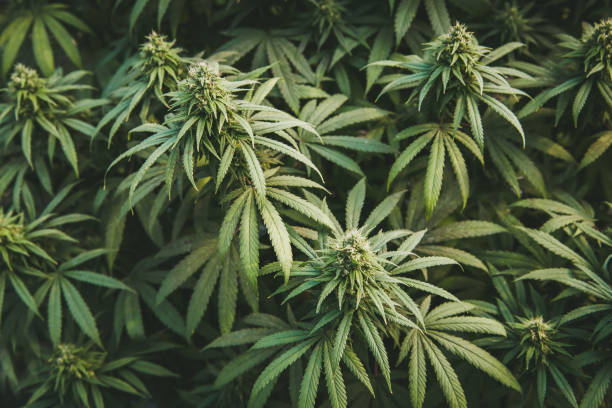
Walk into a dispensary and you’ll encounter an immediate sensory experience: citrus bursts from one jar, earthy pine from another, perhaps sweet berries or peppery spice. These distinct aroma profiles come from terpenes. Botanical compounds that shape how cannabis smells, tastes, and potentially affects your body. But here’s what makes terpenes fascinating: beyond cannabis they’re everywhere in nature.
The same limonene giving your favorite sativa its citrus punch also appears in lemon peels and rosemary. Myrcene, often associated with relaxing indica strains, exists naturally in mangoes, thyme, and lemongrass. Pinene from cannabis? You’ll find it dominating pine forests and sage plants. If you’re wondering where terpenes are found, they occur across countless plants and herbs worldwide existing in fruits, flowers, trees, and spices that define much of nature’s aroma and flavor.
Understanding where terpenes originate and how they function across the plant kingdom transforms how you approach cannabis selection. Over 150 distinct terpenes have been identified in cannabis samples, with seven key compounds accounting for most variation between cultivars. This complete terpenes guide explores their natural sources and scientific significance.
Where Do You Find Terpenes?
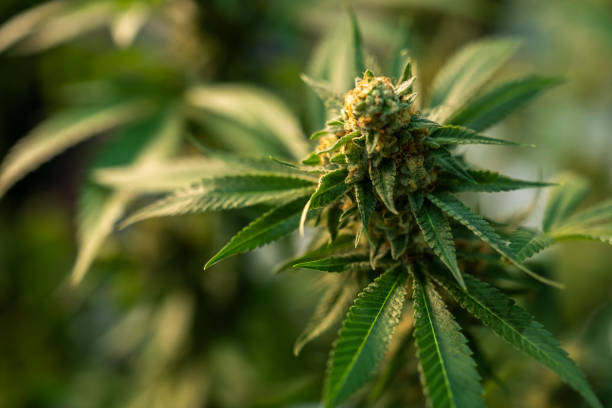
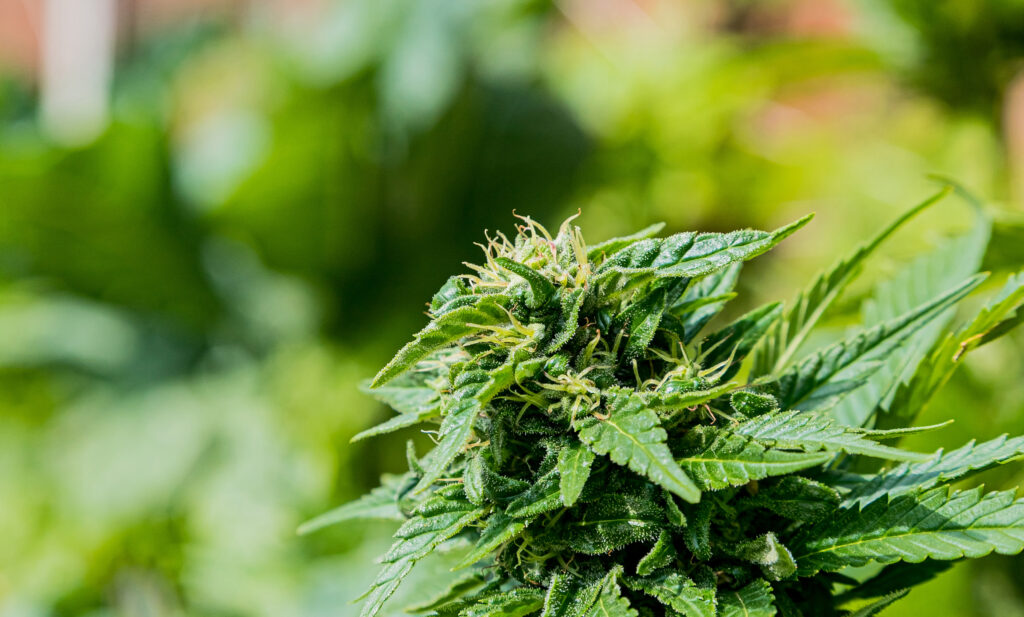
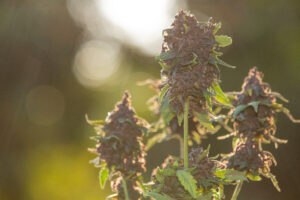
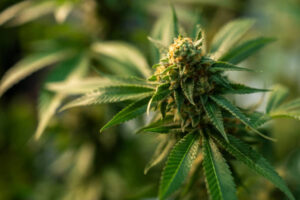
Terpenes originate in specialized microscopic structures called glandular trichomes—tiny resin-producing factories dotting plant surfaces. In cannabis and hemp, these mushroom-shaped glands manufacture and store terpene compounds alongside cannabinoids. But cannabis represents just one small corner of the terpene world.
Lavender flowers produce linalool in their trichomes, creating that distinctive calming scent. Citrus peels concentrate limonene in oil glands just beneath the surface. Pine trees synthesize pinene in resin ducts throughout their needles and bark. These terpenes in essential oils serve identical chemical functions whether extracted from cannabis or botanical sources.
Plants evolved terpene production as chemical defense systems. These volatile compounds repel herbivores, inhibit fungal growth, and attract beneficial pollinators. Research shows terpenoid metabolic pathways create specialized cytotoxic metabolites that protect against pests and pathogens—explaining why terpene profiles vary dramatically between cultivars and growing conditions.
Environmental stress actually increases terpene production in many species. Temperature fluctuations, light intensity, and nutrient availability all influence which terpenes a plant manufactures and in what concentrations. This explains why identical cannabis genetics produce different aroma profiles when cultivated in varying conditions—the plant adjusts its chemical defenses based on perceived threats.
Are Terpenes Found in Hemp?
Yes, hemp contains the same terpene-producing trichomes as high-THC cannabis varieties. Both belong to the Cannabis sativa species and manufacture identical aromatic compounds—limonene, myrcene, pinene, and others—through shared biosynthetic pathways. The legal distinction between hemp and marijuana centers on THC concentration (below 0.3% for hemp), not terpene content.
However, terpene profiles differ measurably between the two. Research analyzing chemical clustering shows hemp typically exhibits higher concentrations of myrcene and pinene, while marijuana varieties often produce elevated levels of caryophyllene and terpinolene. These variations reflect selective breeding priorities: hemp cultivated for fiber or seed versus cannabis optimized for psychoactive effects.
For product formulations these terpenes provide potential synergistic effects and are mostly categorized by their aroma and regulatory classifications, as hemp-derived and botanical terpenes are often considered unique to each other within some state regulatory frameworks. Formulators combine these aromatic compounds with cannabinoid profiles to create targeted wellness solutions.
The botanical source matters less than reproducibility, concentration accuracy, and purity when developing scalable, cost-effective formulations. Hemp is simply another botanical source that offers unique ways of producing complex terpene formulations for various markets.
What Plants Are High in Terpenes?
Citrus fruits lead with limonene comprising approximately 76% of orange peel essential oil.
Conifer trees concentrate pinene throughout their needles and resin ducts, creating the sharp forest aroma instantly recognizable in pine species.
Lavender flowers produce linalool at roughly 19% of essential oil composition, contributing their characteristic calming scent.
Hops present interesting comparisons due to shared Cannabaceae lineage.
Black pepper, rosemary, and cloves concentrate caryophyllene at high levels. Mangoes accumulate myrcene in their flesh.
What makes cannabis unique isn’t terpene quantity but diversity and synergy.
What is the Mother of All Terpenes?
Isoprene holds that distinction—a foundational five-carbon unit. Every aromatic compound discussed in this cannabis terpenes guide, from limonene to pinene, assembles from isoprene units inside plant cells.
Plants manufacture isoprene through two distinct metabolic routes: the mevalonate pathway occurring in cytoplasm and the methylerythritol phosphate pathway in chloroplasts. Both processes convert isoprene into isopentenyl pyrophosphate (IPP), the activated precursor that chains together to create terpene diversity.
Terpene classification depends entirely on how many isoprene units connect. Monoterpenes like limonene and pinene contain two isoprene units (C10). Sesquiterpenes including caryophyllene link three units (C15). Diterpenes assemble four units (C20), while larger structures continue this pattern – triterpenes at C30, tetraterpenes at C40.
This modular architecture explains terpene chemistry’s remarkable versatility. The same five-carbon starter molecule generates thousands of distinct compounds through different connection patterns and modifications. Cannabis produces predominantly monoterpenes and sesquiterpenes, which contribute to its characteristic aroma profiles and potential therapeutic properties.
Understanding this molecular foundation clarifies why terpene diversity exists across botanical sources yet maintains consistent chemical behavior. Whether extracted from cannabis, citrus, or conifers, these compounds share identical structural origins – variations in isoprene assembly patterns creating nature’s vast aromatic library.
The Essential Eight: Cannabis Terpene Profiles
Myrcene dominates many cannabis cultivars as the most abundant terpene, often reaching concentrations above 30% of total terpene content in hemp essential oils. This earthy, musky compound appears naturally in mangoes, lemongrass, and hops. Cannabis varieties high in myrcene typically cluster together in chemical analyses, producing herbal, clove-like aromas with potentially sedating characteristics.
Limonene delivers bright citrus notes found in lemon rinds, oranges, and juniper. This monoterpene contributes uplifting, energizing qualities to cultivars where it appears as a dominant compound. Its sharp, fresh aroma makes it instantly recognizable in both botanical sources and cannabis products.
Pinene exists in two forms – alpha and beta – both producing the crisp forest scent characteristic of pine needles, rosemary, and sage. This terpene may support alertness and mental clarity, appearing prominently in cultivars with woodsy, sharp aromatic signatures.
Caryophyllene stands apart as the only terpene directly engaging CB2 receptors in the endocannabinoid system, demonstrating measurable anti-inflammatory effects in controlled studies. Black pepper, cloves, and cinnamon concentrate this spicy, peppery sesquiterpene that adds complexity to understanding terpene profiles.
Linalool produces lavender’s calming floral aroma, appearing in coriander and birch bark alongside cannabis. Cultivars featuring this monoterpene often exhibit relaxing, soothing qualities valued for evening consumption.
Humulene contributes earthy, woody notes shared with hops and ginseng. This sesquiterpene appears frequently in cultivars alongside caryophyllene, creating herbaceous depth.
Terpinolene is associated with citrus and chemical descriptors in sensory research, found in nutmeg, tea tree, and apples. Despite appearing less frequently as a dominant compound, it significantly influences cultivar differentiation.
Ocimene rounds out the essential eight with sweet, floral characteristics present in orchids, mint, and basil. Concentration variations during extraction affect final aroma intensity in cannabis formulations.
From Nature to Formulation: Capturing Authentic Terpene Signatures
Extracting terpenes without destroying their delicate molecular structures requires precision engineering. Steam distillation remains the most established method, passing vapor through plant material to carry volatile compounds into collection chambers. Research on hemp essential oils shows distillation duration directly impacts recovery – shorter cycles preserve lighter monoterpenes while extended periods capture heavier sesquiterpenes, with total yields ranging from 0.01% to 0.61% depending on technique.
Supercritical CO2 extraction offers superior preservation by maintaining lower temperatures throughout the process. This method uses pressurized carbon dioxide to selectively pull terpenes from plant tissue, then releases them through controlled decompression. The approach minimizes thermal degradation that destroys aromatic integrity during traditional heating methods.
Cannabis-derived versus botanically-sourced terpenes present identical molecular structures – limonene extracted from cannabis matches limonene from citrus peels at the chemical level. The distinction lies in regulatory compliance and aromatic complexity. Cannabis extraction captures multi-terpene signatures specific to individual cultivars, while botanical sources typically provide single-compound concentrations. Hemp-derived terpenes bridge this gap, offering diverse profiles without THC contamination concerns.
Modern formulation technology now replicates strain-specific signatures through analytical matching. Scientists profile target cultivars using chromatography, then reconstruct those exact ratios by blending isolated terpenes from compliant sources. This True To Plant approach delivers authentic aromatic experiences while maintaining scalable production and consistent quality – critical factors for capturing delicate aromas in commercial applications.
Temperature control, light protection, and oxygen exclusion during processing determine whether extracted terpenes retain their original character or degrade into altered compounds that compromise both aroma and functional properties.
Beyond the Flower: Terpenes in Your Everyday World
Your morning routine likely involves multiple terpene encounters before you even consider cannabis. That orange juice? Limonene concentrations reaching 90% in citrus peel oils. The lavender body lotion? Linalool creating its signature floral character. Even household cleaners leverage these same plant compounds – limonene’s solvent properties dissolve adhesives and grease in commercial formulations.
The FDA recognizes many terpenes as Generally Recognized As Safe (GRAS) for food applications, including thymol and eucalyptol. These designations reflect decades of consumption data across beverages, confections, and packaged goods. The global aroma chemicals market, where terpenes play central roles, reached valuations exceeding $6 billion in 2025 with continued growth projected through 2032.
Fragrance and cosmetics industries consume substantial terpene volumes annually. Perfumes blend pinene, linalool, and limonene to construct complex scent profiles. Skincare formulations incorporate these compounds for both aromatic appeal and functional properties, though linalool appears among documented contact allergens in clinical dermatology research.
This widespread commercial deployment across regulated industries demonstrates established safety profiles when properly formulated. The same molecular structures appearing in cannabis exist in products you’ve used for years – just sourced from different botanical origins. Understanding this ubiquity contextualizes cannabis terpenes within a broader framework of natural compounds already integrated into daily consumer experiences.
Understanding Terpenes Across the Plant Kingdom
Terpenes represent nature’s most prolific chemical vocabulary – approximately 30,000 distinct terpenoid structures identified across plant species, all constructed from that same five-carbon isoprene foundation. Cannabis contributes just a fraction of this botanical diversity, yet shares molecular architecture with forests, gardens, and kitchen spices worldwide.
Plants evolved these aromatic compounds as survival tools – chemical defenses deterring herbivores while attracting beneficial pollinators. That same biosynthetic machinery now informs product development, where precision matters. Technologies like True To Plant replication enable formulators to recreate specific cultivar signatures with documented accuracy, transforming botanical diversity into reliable consumer experiences.
Whether exploring hemp-derived profiles or cannabis-specific formulations, confidence stems from understanding what you’re consuming. These compounds aren’t mysterious – they’re the same molecules you’ve encountered throughout nature, now applied with scientific precision to deliver consistent aromatic and functional properties.