
You’ve probably chosen cannabis strains based on THC or CBD percentages. Most people do. But here’s what that approach misses: the aromatic compounds that give each strain its citrus aroma or earthy notes also shape how cannabinoids affect your body. This natural synergy, known as the entourage effect, explains why two strains with identical THC levels can deliver completely different experiences – one energizing, another calming.
What are cannabis terpenes? These plant-derived compounds cross the blood-brain barrier and work alongside cannabinoids to influence everything from pain relief to mood boosting. Research shows terpenes in cannabis provide measurable benefits for conditions like fibromyalgia pain. Your strain’s aroma profile isn’t just pleasant – it’s a preview of targeted effects.
This cannabis terpenes guide breaks down how these natural compounds survive extraction, why storage matters, and which strain examples deliver specific benefits. World of Terpenes connects you with the science behind personalized cannabis experiences.
What Are Cannabis Terpenes and Where Do They Come From?
What are cannabis terpenes? These natural compounds are the chemical building blocks behind every strain’s distinctive aroma profile. While you might recognize the citrus aroma in one strain or pine notes in another, terpenes do far more than create pleasant scents. They’re hydrocarbons constructed from isoprene units – molecular chains that determine both fragrance and biological activity. Monoterpenes contain two isoprene units, while sesquiterpenes contain three.
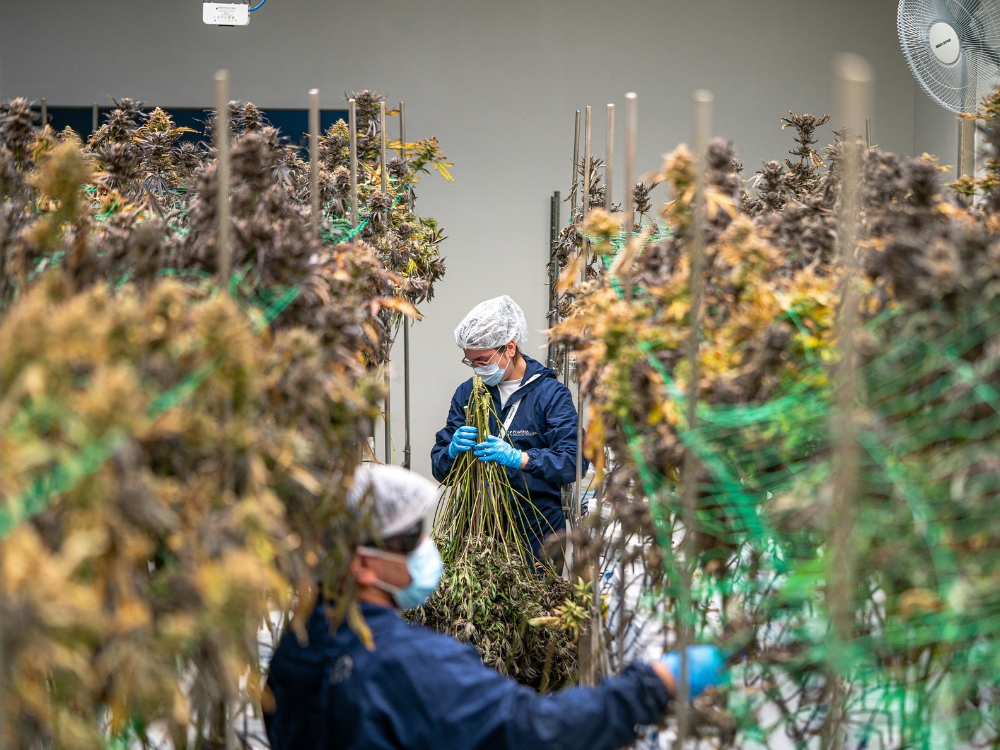
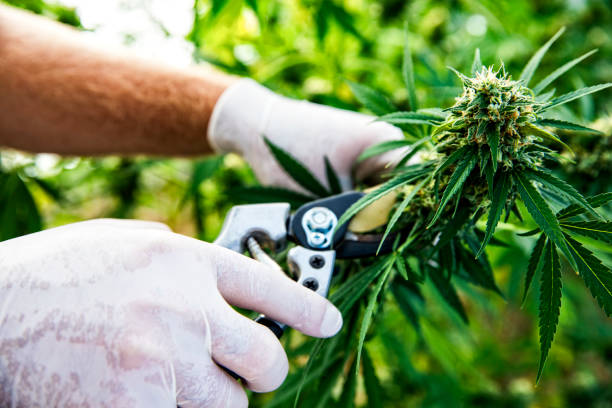
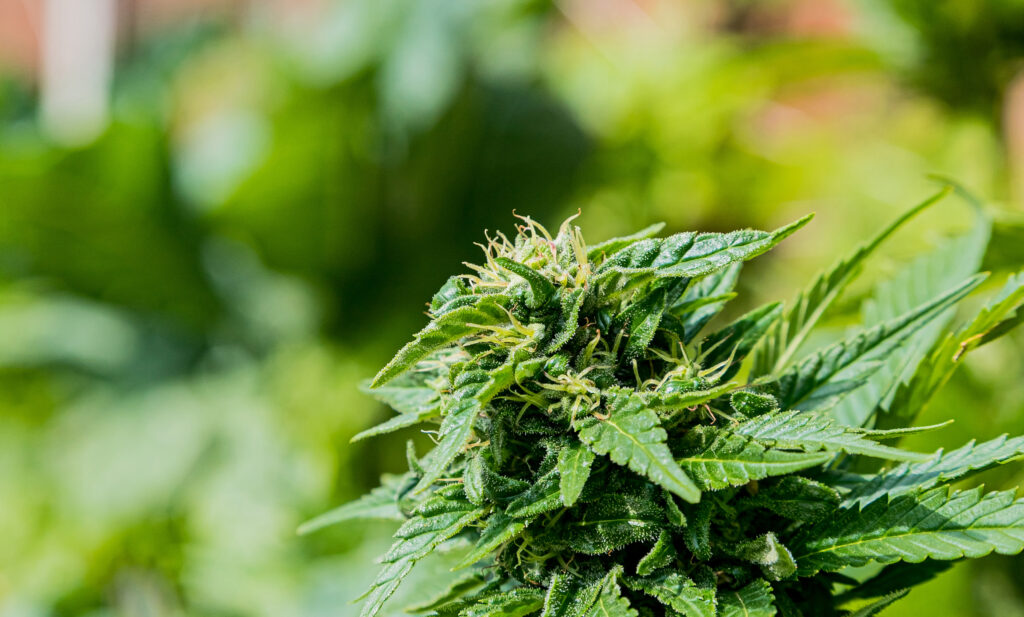
Cannabis produces these aromatic compounds inside specialized structures called trichomes. These microscopic glands cover the plant’s flowers and leaves, functioning as metabolic factories. Within each trichome, secretory cells form a syncytium where enzymes synthesize cannabinoid and terpene precursors through two distinct biochemical pathways: MVA and MEP. The finished compounds accumulate in extracellular cavities until harvest.
This production process explains why strain examples like Blue Dream deliver mood boosting effects while others provide pain relief. Specific terpenes cross the blood-brain barrier and interact with your endocannabinoid system. Research documents this natural synergy – the entourage effect – where terpenes amplify cannabinoid benefits rather than working in isolation. World of Terpenes helps you understand these interactions through detailed strain profiling and educational resources. The terpenes in cannabis you experience depend entirely on which compounds survive from trichome to final product.
The Entourage Effect: How Terpenes Work With Cannabinoids
Consider two patients taking identical THC doses. One reports sedation and pain relief. The other feels alert and anxious. The difference? Myrcene in the first patient’s strain enhanced THC’s calming properties, while Limonene in the second created an energizing aroma profile. This is the entourage effect – how terpenes and cannabinoids create combined benefits that exceed what either compound delivers alone.
Terpenes don’t produce psychoactive effects because they lack cannabinoid receptor activity in the way THC does, they impact them in other ways and modify how cannabinoids interact with your body. Beta-Caryophyllene directly activates CB2 receptors for anti-inflammatory benefits without any high. Myrcene increases blood-brain barrier permeability, allowing more THC to reach brain receptors. This pharmacokinetic interaction demonstrates one way how strain examples matter beyond cannabinoid percentages.
You experience subtle, functional results – reduced inflammation or mood boosting – similar to taking medication where the benefit shows as symptom relief. World of Terpenes provides strain profiling insights through connecting specific terpene combinations to targeted outcomes. Understanding terpenes interact with cannabinoids helps you select products based on the natural compounds that deliver your desired effects.
12 Essential Cannabis Terpenes and Their Effects
Each cannabis strain contains a unique combination of terpenes that determines its therapeutic profile. These natural compounds create measurable differences in how you experience cannabinoids – from pain relief to mood boosting. This breakdown connects specific terpenes to their effects, supported by research on their mechanisms and real-world applications.
| Terpene | Primary Aroma | Key Effects | Notable Strains |
| Myrcene | Earthy, musky | Sedation, muscle relaxation | Pineapple Express, Blue Dream |
| Limonene | Citrus | Mood elevation, stress relief | Lemon Haze, Durban Poison |
| Beta-Caryophyllene | Pepper, spice | Anti-inflammatory, pain relief | GSC, Bubba Kush |
| Pinene | Pine, forest | Alertness, bronchodilation | Jack Herer, Trainwreck |
| Linalool | Floral, lavender | Anxiety reduction, sleep support | Lavender Kush, LA Confidential |
1. Myrcene – The Sedative Powerhouse
Myrcene creates the earthy aroma profile in strains known for relaxation. This monoterpene increases blood-brain barrier permeability, allowing cannabinoids to cross more efficiently. Research links it to sedative effects and muscle relaxation. Pineapple Express contains myrcene as its dominant terpene, followed by caryophyllene and pinene – a combination that delivers functional pain relief without intense psychoactive effects.
2. Limonene – The Mood Elevator
The citrus aroma you detect signals limonene’s presence. This terpene correlates with mood elevation in strain examples like Lemon Haze. Studies on terpenes for neurological disorders show limonene reduces neuroinflammation and oxidative stress. Users describe the benefits as subtle – reduced anxiety symptoms rather than euphoria.
3. Beta-Caryophyllene – The Anti-Inflammatory Agent
Beta-Caryophyllene directly activates CB2 receptors, making it unique among terpenes. This interaction provides anti-inflammatory benefits without any high – similar to taking medication where symptom reduction is the goal. GSC and Bubba Kush feature this pepper-scented compound prominently.
4. Pinene – The Focus Enhancer
Pinene’s forest aroma profile appears in Jack Herer and Trainwreck. This terpene correlates with alertness and may act as a bronchodilator. The compound crosses the blood-brain barrier and works within the entourage effect to balance THC’s sedative properties.
5. Linalool – The Stress Reducer
Linalool’s floral notes provide anxiety reduction and sleep support. Research on medical cannabis components in cancer care documents how linalool reduces pain and nausea through endocannabinoid system interactions. Lavender Kush demonstrates this terpene’s calming profile.
Terpene Preservation and Degradation
Processing methods determine which terpenes survive from harvest to consumption. Heat and oxygen degrade these volatile compounds rapidly. Products stored above 70°F lose terpene potency within weeks, diminishing the benefits of cannabis terpenes you’re seeking. Light exposure accelerates breakdown of limonene and pinene specifically.
World of Terpenes strain profiling tracks terpene concentrations through Certificate of Analysis documentation. Consumers now prioritize citrus, pine, and floral notes over THC percentages when selecting products – a shift driven by understanding how specific aromatic compounds deliver targeted outcomes.
Matching Terpenes to Your Needs: Anxiety, Pain, and Beyond
Selecting cannabis products by cannabinoid percentages alone ignores the natural compounds that determine actual outcomes. Your needs – whether anxiety reduction, pain management, or cognitive support – connect directly to specific terpene combinations that create functional benefits through the entourage effect.
1. Cannabis Terpenes for Anxiety – Linalool and Limonene Lead
Linalool provides measurable anxiety reduction through its interaction with the endocannabinoid system. This floral-scented compound appears in strains like LA Confidential, where users report subtle calming effects similar to reduced inflammation rather than sedation. Limonene’s citrus aroma signals mood elevation properties – preclinical research shows inhalation increases serotonin and dopamine in brain regions linked to anxiety regulation. Durban Poison and Lemon Haze demonstrate this terpene’s stress-relieving profile.
2. Pain Relief Through Beta-Caryophyllene and Myrcene – Dual Mechanisms
Ongoing clinical studies investigate myrcene and Beta-Caryophyllene for pain conditions including hand and wrist discomfort. Beta-Caryophyllene activates CB2 receptors for anti-inflammatory benefits without psychoactive effects. Myrcene provides muscle relaxation and analgesic properties in strain examples like Pineapple Express. This combination delivers the benefits of cannabis terpenes through complementary pathways – one targeting inflammation, the other addressing muscle tension.
3. Stress Relief and Focus – Pinene’s Bronchodilator Properties
Pinene exhibits mood-elevating effects alongside anti-inflammatory activity. Research confirms this terpene aids stress relief through bronchodilator properties that improve breathing – a physical response that supports mental clarity. Jack Herer features pinene as a dominant compound in its aroma profile.
4. Memory Support and Cognitive Function – Preservation Matters
Terpene degradation directly impacts cognitive benefits. Heat exposure above 70°F destroys volatile compounds within weeks, eliminating therapeutic potential. World of Terpenes connects you with terpene’s therapeutic benefits through proper storage guidance and strain selection based on Certificate of Analysis verification rather than community recommendations alone.
How to Find and Use Cannabis Terpenes: A Step-by-Step Guide
Step 1: Request the Certificate of Analysis
Ask your dispensary budtender for the certificate of analysis before purchasing any product. This lab document lists terpene concentrations measured. You’ll see each terpene reported as both a percentage and mg/g value – these numbers reveal the actual aromatic compounds present, not marketing claims.
Step 2: Identify Dominant Terpenes Above 0.5%
Scan the COA for terpenes exceeding 0.5% concentration. These dominant compounds drive the entourage effect. A strain showing 1.2% Beta-Caryophyllene and 0.8% Myrcene signals pain relief potential. Limonene above 0.5% indicates mood boosting properties with that characteristic citrus aroma.
Step 3: Match Terpene Profiles to Desired Effects
Compare the COA data against your needs. Seeking anxiety reduction? Prioritize products with Linalool and Limonene as primary terpenes. For inflammation, choose Beta-Caryophyllene-dominant strains. World of Terpenes provides detailed strain profiling to connect specific aroma profiles with targeted benefits.
Step 4: Verify Extraction and Storage Methods
Ask how terpenes were preserved during processing. Full-spectrum extraction methods maintain native terpene fingerprints better than isolate production. Check packaging dates – products older than three months likely experienced terpene degradation. Store purchases below 70°F in dark containers to prevent volatile compound breakdown.
Step 5: Start Low and Track Results
Begin with products containing 2-3% total terpenes. Document which combinations deliver functional benefits – reduced symptoms rather than psychoactive effects. Adjust selections based on how specific natural compounds cross the blood-brain barrier and interact with your endocannabinoid system.
How Consumption Methods Affect Terpene Delivery
Your consumption method determines which aromatic compounds survive to deliver the entourage effect. Combustion exceeds 1000°F, causing terpenes to volatilize, degrade, or combust entirely through pyrolysis. Vaping reduces temperatures but still produces organic hydroperoxides through ozonolysis that break down terpene structures. Edibles bypass heat exposure but face first-pass metabolism that reduces bioavailability.
| Method | Terpene Preservation | Bioavailability | Onset Time | Key Trade-offs |
| Smoking | Poor – complete degradation above 1000°F | 10-35% | 3-10 minutes | Fast effects, moderate terpene survival |
| Vaping | Moderate – reduced but ongoing degradation | 10-35% | 3-10 minutes | Better than smoking, still impacts volatiles |
| Edibles | High – no heat during consumption | 5-20% | 0.5-4 hours | Preserves aroma profile, low absorption |
Understanding how to use cannabis terpenes means matching methods to your priorities. Seeking immediate pain relief? Inhalation delivers faster despite terpene loss. Prioritizing the full aroma profile for mood boosting benefits? Edibles preserve natural compounds but require patience for effects. World of Terpenes provides strain profiling that accounts for consumption-specific terpene survival rates, connecting you with products engineered for your preferred delivery method.
Preserving Terpenes: Storage, Degradation, and Shelf Life
Your cannabis loses up to 40% of its aromatic compounds within the first week of improper storage. Monoterpenes like Myrcene and Limonene evaporate faster than sesquiterpenes, especially when exposed to heat, light, or oxygen. Research shows products stored at 30°C lose 14.1% more potency than those kept at 4°C over 60 days. Grinding accelerates this loss by increasing surface area exposed to air.
Store your products in airtight glass containers at 60-70°F, away from light. Glass prevents moisture retention that plastic allows. Vacuum-sealed or nitrogen-flushed packaging stops oxidation before it degrades volatile compounds. Check packaging dates – terpene degradation begins immediately after harvest, diminishing the pain relief and mood boosting benefits you’re seeking.
World of Terpenes connects you with products that document proper extraction and storage protocols through Certificate of Analysis verification, ensuring the natural compounds that create the entourage effect survive from cultivation to consumption.
Your Next Steps in the World of Terpenes
Cannabis terpenes determine how cannabinoids affect your body through the entourage effect. These aromatic compounds deliver targeted benefits – from pain relief to mood boosting – when properly extracted and stored. Start by requesting Certificates of Analysis that list terpene concentrations above 0.5%. Match those profiles to your needs: Linalool for anxiety, Beta-Caryophyllene for inflammation, Limonene for stress. Store products below 70°F in dark containers to prevent degradation. World of Terpenes launches soon with strain profiling and educational resources that connect specific aroma profiles to functional outcomes, helping you select products based on the natural compounds that matter most.