
When you select a cannabis product, you’re choosing more than Tetrahydrocannabinol (THC) or Cannabidiol (CBD) percentages. Aromatic compounds called terpenes shape the complete sensory profile and potential effects of each cultivar. These volatile molecules create distinctive aromas – from citrus notes to earthy undertones – while potentially influencing how cannabinoids interact with your body.
The entourage effect describes how cannabinoids and terpenes might work together to produce distinct experiences. However, recent scientific evidence presents a more nuanced picture. A 2024 review found no reliable proof of synergy between terpenes and cannabinoids at the receptor level. Research from 2019 demonstrated that terpenes don’t directly modulate THC activity at cannabinoid receptors, challenging traditional assumptions about how these compounds interact.
Despite ongoing scientific debate, terpene profiles remain central to cannabis product innovation and formulation strategies. Understanding these aromatic compounds enables more informed decisions about cultivar selection and custom cannabis formulations. This cannabis terpene guide explores the science, profiles, and practical applications of these fascinating molecules that define your cannabis experience beyond cannabinoid content alone.
What Are Cannabis Terpenes? Understanding the Aromatic Compounds
Terpenes are volatile hydrocarbons that define the distinctive aromatic characteristics of cannabis cultivars. These organic compounds form the molecular foundation of scent profiles, biosynthesized from isoprene (C5H8) building blocks that link together in various configurations.
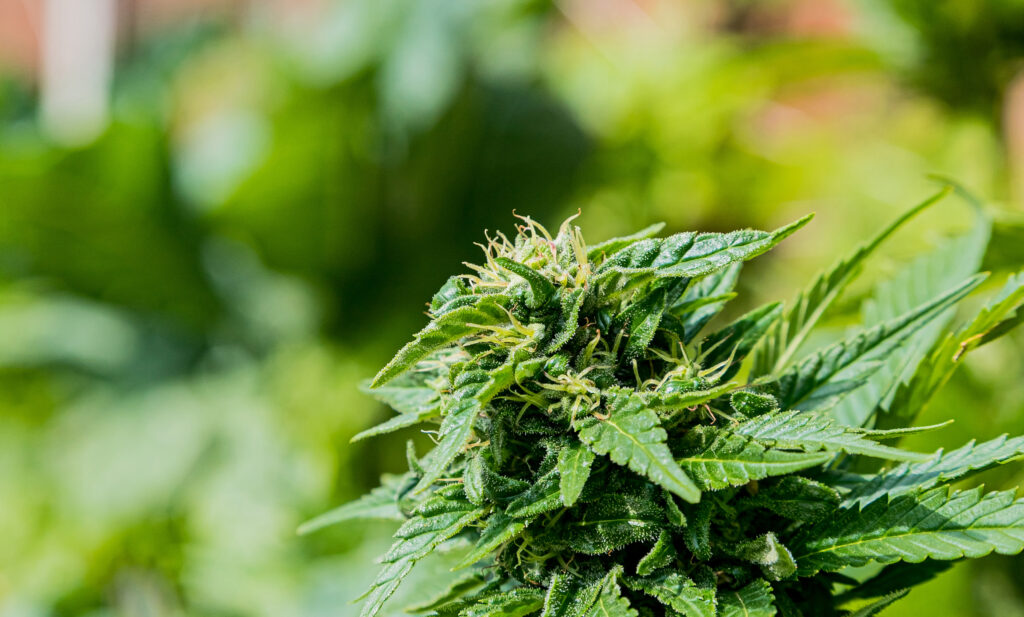
Cannabis plants produce terpenes primarily within glandular trichomes – microscopic resin glands concentrated on flower surfaces. Research confirms that over 90% of volatile terpenes originate in the secretory cavity of trichome heads, where specialized cells manufacture these aromatic compounds alongside cannabinoids.
The chemical architecture of terpenes determines their properties and behavior. Monoterpenes contain two linked isoprene units, while sesquiterpenes combine three units, creating molecules with distinct volatility and stability characteristics. Advanced analytical methods like gas chromatography-mass spectrometry enable precise characterization of these molecular structures, including their three-dimensional chirality.
Understanding terpene chemistry provides the scientific foundation for cannabis terpene profiles and product formulation strategies. Each cultivar expresses a unique combination of these compounds, creating signature aromatic fingerprints that extend beyond simple fragrance to influence the complete cannabis experience. This molecular diversity enables data-driven formulation approaches for targeted product differentiation and custom botanical blend
How Terpenes Create the Entourage Effect
The entourage effect describes potential synergistic interactions between cannabinoids and terpenes in cannabis formulations. While this concept drives product development strategies, recent scientific evidence reveals complexity beyond simplified synergy claims. A 2024 review found limited reliable proof of universal cannabinoid-terpene synergy, particularly at receptor sites, though specific interaction mechanisms warrant attention for formulation optimization.
What terpene gets you the most high? Myrcene demonstrates the most documented influence on THC bioavailability. Research indicates myrcene enhances cell membrane permeability, facilitating THC penetration across the blood-brain barrier without myrcene itself crossing in significant quantities. This pharmacokinetic mechanism increases THC absorption efficiency rather than producing independent psychoactive effects.
Beyond membrane permeability, terpenes and cannabinoids may interact through metabolic pathways. Certain terpenes potentially inhibit cytochrome P450 enzymes responsible for cannabinoid metabolism, theoretically prolonging cannabinoid presence in systemic circulation. However, terpenes’ poor bioavailability and brief half-lives complicate these interactions in real-world applications.
For cannabis product formulation, understanding these mechanisms enables data-driven approaches to custom blends. Platforms like Entour provide analytical frameworks for designing targeted terpene profiles based on desired pharmacokinetic outcomes. While broad entourage effect claims require cautious interpretation, specific terpene-cannabinoid combinations offer strategic opportunities for differentiation.
The scientific foundation continues evolving as research validates particular interactions while challenging oversimplified assumptions. Evidence-based formulation strategies prioritize documented mechanisms – like myrcene’s membrane effects – over unsubstantiated synergy claims, enabling more predictable product experiences.
Complete Terpene Profiles: The 15 Most Important Cannabis Terpenes
Cannabis cultivars express diverse terpene combinations that create distinctive aromatic fingerprints and potential therapeutic characteristics. This comprehensive cannabis terpene guide profiles fifteen essential terpenes, organized by their abundance and documented properties.
β-Myrcene: The Foundation Terpene
Which terpene has an earthy aroma? Myrcene delivers the characteristic earthy, musky notes found in many cannabis varieties. As the most abundant terpene across cultivars, myrcene earns recognition as the foundational compound in cannabis aromatic profiles. This monoterpene produces herbal, clove-like undertones alongside its earthy base.
Research documents myrcene’s sedative potential and influence on cannabinoid absorption through enhanced membrane permeability. Cultivars like Blue Dream and OG Kush typically feature elevated myrcene concentrations, contributing to their relaxing characteristics.
D-Limonene: Citrus Brightness
Limonene brings sharp citrus notes – lemon, orange, and grapefruit – to cannabis aromatic profiles. This monoterpene appears prominently in Sativa-dominant cultivars, creating uplifting sensory experiences. Beyond fragrance, limonene demonstrates documented antifungal properties and potential mood-supporting effects.
Strains like Super Lemon Haze and Durban Poison showcase limonene-forward profiles. The compound’s volatility requires careful preservation during processing to maintain peak concentrations. Learn more at the limonene terpene effects guide.
α-Pinene and β-Pinene: Forest Freshness
Pinene isomers deliver pine forest aromas with sharp, refreshing qualities. α-Pinene produces the classic pine scent, while β-Pinene adds woody, rosemary-like dimensions. These terpenes demonstrate bronchodilator properties in preliminary research, potentially supporting respiratory function.
Jack Herer and Blue Dream cultivars often express notable pinene content. The compound’s alertness-promoting reputation makes it valuable for daytime formulations.
Linalool: Floral Calm
Linalool creates lavender-like floral notes with subtle spice undertones. This monoterpene appears in relaxation-oriented cultivars, supported by research documenting anxiolytic and sedative properties. Linalool’s therapeutic potential extends to anti-inflammatory and analgesic applications.
Amnesia Haze and LA Confidential feature prominent linalool profiles. The compound’s delicate nature requires temperature-controlled processing to prevent degradation.
β-Caryophyllene: Spicy Complexity
Caryophyllene stands apart as the only terpene demonstrating direct cannabinoid receptor interaction, specifically binding CB2 receptors. This sesquiterpene produces peppery, spicy aromas with woody notes. Its unique pharmacological profile supports anti-inflammatory applications without psychoactive effects.
Girl Scout Cookies and Sour Diesel showcase caryophyllene-rich profiles. The compound’s stability during processing makes it valuable for custom cannabis flavors requiring consistent delivery.
Humulene: Earthy Hops
Humulene contributes earthy, woody aromas reminiscent of hops – unsurprising given its prominence in beer brewing. This sesquiterpene demonstrates appetite-suppressant properties in preliminary studies, contrasting with typical cannabis effects.
Terpinolene: Multifaceted Freshness
Terpinolene presents complex aromatic characteristics – piney, floral, and herbal notes combined. Despite lower concentrations than myrcene or limonene, terpinolene significantly influences cultivar character. Jack Herer and Dutch Treat feature this distinctive terpene.
Ocimene: Sweet Herbaceous Notes
Ocimene delivers sweet, herbaceous aromas with citrus undertones. This monoterpene appears in smaller quantities but contributes meaningful aromatic complexity. Research suggests antifungal and decongestant properties.
Nerolidol: Woody Florals
Nerolidol produces woody, floral aromas with bark-like qualities. This sesquiterpene demonstrates sedative potential and may enhance cannabinoid absorption through skin penetration, valuable for topical formulations.
Bisabolol: Gentle Chamomile
Bisabolol creates delicate floral notes reminiscent of chamomile. Its anti-inflammatory and skin-soothing properties make it particularly relevant for wellness-focused products.
Valencene: Citrus Sweetness
Valencene contributes sweet orange and grapefruit notes. This sesquiterpene adds brightness to aromatic profiles while demonstrating anti-inflammatory characteristics.
Geraniol: Rose Garden
Geraniol delivers rose-like floral aromas with fruity dimensions. Research documents neuroprotective and antioxidant properties alongside its distinctive fragrance contribution.
Camphene: Pungent Pine
Camphene produces pungent, camphor-like aromas with piney undertones. Its potential cardiovascular benefits warrant attention in therapeutic formulation strategies.
Borneol: Menthol Coolness
Borneol creates cooling, menthol-like sensations with herbal notes. Traditional medicine applications suggest analgesic and sedative properties.
Phytol: Subtle Green
Phytol contributes grassy, floral notes at lower concentrations. As a degradation product of chlorophyll, it appears across cultivars with potential sedative characteristics.
Understanding these terpene profiles enables data-driven formulation approaches. Platforms providing analytical frameworks – like those in a complete terpene guide – support precision blending for targeted aromatic and experiential outcomes in cannabis product development
What Terpenes Should I Stay Away From? Safety and Considerations
Most terpenes present minimal risk at typical exposure levels, though individual sensitivities vary significantly. Limonene and linalool warrant particular attention – when oxidized through air exposure, these compounds form hydroperoxides that function as contact allergens. Clinical data identifies these oxidation products as frequent contributors to allergic contact dermatitis, particularly in skincare applications.
Respiratory considerations matter for inhalation products. High-concentration terpene exposure may irritate airways in sensitive individuals, especially those with asthma or existing respiratory conditions. Degradation during vaporization creates additional concerns, as thermal breakdown produces potentially irritating byproducts that differ from the original aromatic compounds.
Sedative terpenes like myrcene and linalool require awareness for daytime use. Research documents their relaxation-promoting properties, which some individuals experience as unwanted drowsiness during active hours. Conversely, stimulating terpenes including limonene and pinene occasionally trigger anxiety responses in predisposed users, though clinical studies show variable individual reactions.
General safety guidelines recommend starting with lower-terpene formulations when exploring new products. Monitor personal responses across different terpene profiles, noting any skin irritation, respiratory discomfort, or unexpected mood changes. Pregnant individuals and those with chronic health conditions should consult healthcare providers before using concentrated terpene products. Proper storage in cool, dark environments prevents oxidative degradation that increases allergen formation over time.
Reading Terpene Charts and COAs: How to Choose Your Perfect Profile
Certificates of Analysis (COAs) decode cannabis chemistry through laboratory-verified data. Third-party testing facilities use gas chromatography-mass spectrometry to quantify individual terpenes, presenting results as percentage values by weight. A COA displaying “myrcene 0.8%” indicates this terpene comprises 0.8% of total flower mass.
Total terpene concentration matters more than single-compound dominance. Research suggests 2-8% total terpenes optimize cannabinoid synergy potential, while concentrations exceeding 10% may create imbalanced experiences. Calculate this by summing all listed terpene percentages on your COA.
Look beyond dominant terpenes when exploring terpene profiles. Secondary compounds at 0.1-0.3% significantly influence aromatic complexity and potential effects. A cultivar showing limonene (1.2%), caryophyllene (0.4%), and linalool (0.2%) creates different experiences than one with limonene alone at 1.8%.
Verification indicators include ISO/IEC 17025 laboratory accreditation and batch-specific identifiers linking COAs to tested samples. Harvest dates matter – terpenes degrade through oxidation and evaporation, with volatile monoterpenes declining fastest. Products tested within 60 days of harvest date reflect more accurate current chemistry.
For cannabis product formulation applications, COA data enables precision blending strategies. Platforms like Entour apply analytical frameworks to COA interpretation, supporting data-driven decisions about cultivar selection and custom botanical formulations based on documented terpene concentrations rather than cultivar names alone.
Best Cannabis Terpene Blends: Creating Custom Flavor and Effect Profiles
Professional formulators engineer terpene combinations based on documented interaction patterns rather than arbitrary mixing. Specific pairings demonstrate measurable outcomes: THC combined with limonene shows enhanced absorption in preliminary studies, while myrcene-linalool blends amplify sedative characteristics through complementary mechanisms. These scientifically informed combinations enable targeted product differentiation beyond single-compound approaches.
Concentration ratios determine blend efficacy. Research indicates optimal therapeutic outcomes occur when total terpene content reaches 2-8% by weight, with individual compounds balanced according to desired characteristics. A relaxation-focused blend might feature myrcene at 40-50% of total terpenes, linalool at 20-30%, and caryophyllene at 15-20%. Conversely, alertness formulations prioritize pinene and limonene at higher percentages while minimizing sedative compounds.
Chemovar-specific replication represents advanced formulation strategy. Analytical platforms identify signature terpene fingerprints from cultivars like OG Kush or Durban Poison, then recreate these profiles using isolated compounds. This approach delivers consistent aromatic experiences across product batches, eliminating agricultural variability that affects whole-plant extractions. Entour applies True To Plant® technology for precision cultivar matching in commercial formulations.
Delivery method influences blend design parameters. Vaporization requires heat-stable sesquiterpenes like caryophyllene, while topical applications benefit from skin-penetrating compounds including nerolidol. Edible formulations demand emulsification strategies that maintain terpene stability through digestion. Professional formulators adjust compound selection and concentration based on intended administration route, ensuring optimal bioavailability for each application.
Analytical validation confirms blend accuracy. Gas chromatography-mass spectrometry quantifies individual terpene concentrations against target specifications, typically requiring ±10% accuracy for commercial products. This data-driven verification prevents formulation drift and supports regulatory documentation requirements across jurisdictions.
Beyond the Basics: Rare and Emerging Terpenes
Advanced cannabis formulations increasingly incorporate minor terpenes that appear at concentrations below 0.5% yet contribute meaningful aromatic complexity and functional characteristics. Bisabolol creates gentle chamomile-like notes while demonstrating anti-inflammatory properties valuable for topical applications. This sesquiterpene alcohol appears naturally in German chamomile and select cannabis chemovars, offering skin-soothing capabilities that complement cannabinoid formulations.
Valencene delivers bright citrus sweetness reminiscent of Valencia oranges. Research documents its anti-inflammatory characteristics and potential skin-protective effects, making it strategically relevant for wellness-focused product differentiation. Borneol produces cooling, menthol-like sensations with documented analgesic properties in traditional medicine applications, though clinical validation continues.
Emerging terpenes like fenchol (pine-lemon character), pulegone (minty-camphor notes), and sabinene (spicy-woody dimensions) appear in trace quantities yet influence overall aromatic fingerprints. Analytical platforms now routinely quantify 40+ individual terpenes in cannabis samples, revealing chemical diversity beyond conventional profiles.
These compounds enable sophisticated blending strategies when combined with major terpenes. Formulators apply data from comprehensive terpene analysis to recreate rare chemovar characteristics or design novel aromatic experiences impossible through cultivation alone. Understanding minor terpene contributions supports precision formulation approaches that maximize product differentiation in competitive market
Mastering Terpenes for Your Perfect Cannabis Experience
Terpene knowledge transforms product selection from guesswork into informed decision-making. Rather than relying on cultivar names – which vary dramatically between producers – prioritize COA data showing actual aromatic compound concentrations. Identical cultivar labels frequently mask completely different chemical fingerprints, while distinct names sometimes share nearly identical terpene compositions.
Product labels revealing specific terpene percentages enable targeted selection aligned with personal preferences. Seeking relaxation? Prioritize myrcene-dominant profiles with supporting linalool concentrations. Pursuing alertness? Focus on pinene and limonene-forward formulations learn about limonene’s effects here: limonene terpene effects. This chemistry-first approach delivers more predictable experiences than traditional selection methods.
Storage practices directly impact terpene preservation. Research confirms that heat, light, and oxygen accelerate degradation, with volatile monoterpenes declining rapidly under improper conditions. Airtight containers stored in cool, dark environments maintain aromatic integrity and functional characteristics significantly longer than exposed products.
The aromatic market’s projected growth to $46.27 billion by 2035 reflects increasing consumer demand for precision formulations and natural ingredients. Entour applies analytical frameworks across 200+ compounds, supporting formulation strategies that deliver consistent experiences through data-driven terpene mastery rather than agricultural variability.
Explore beyond dominant compounds when evaluating products. Secondary terpenes at lower concentrations create aromatic complexity and nuanced effects impossible through single-compound approaches. Your perfect cannabis experience awaits in the detailed chemistry, not the cultivar name.