This content has been fact-checked and is up to date as of February 2026.
Well, well, well. Here we are in 2026, and what a wild ride it’s been watching America slowly but surely embrace the herb that was once vilified with all the fervor of a 1950s anti-communist propaganda film. California was the first state to legalize medical marijuana in 1996, and honestly, looking back, that feels like watching the first domino fall in what would become the most satisfying chain reaction in modern American policy history.
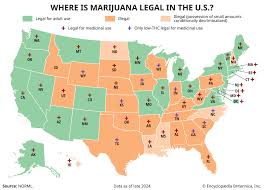
Since then, the medical use of cannabis has been legalized in 42 states and the District of Columbia. The recreational or adult-use of cannabis has been approved in the District of Columbia and 24 states. If you’re doing the math at home, that means we’ve gone from zero to hero in just three decades, which is basically lightning speed for American politics.
The Cannabis Revolution: From Zero to 42 States (And Counting!)
Picture this: in 1996, when California passed Proposition 215, most Americans still thought cannabis was about as dangerous as plutonium and twice as illegal. Fast forward to today, and we’re living in a world where you can legally purchase high-quality cannabis strains in nearly half the country, complete with detailed terpene profiles that would make a sommelier weep with joy.
The transformation has been nothing short of remarkable. What started as a compassionate use movement in California has evolved into a multi-billion dollar industry that spans cultivation, manufacturing, retail, and research into the therapeutic benefits of cannabis compounds.
Cannabis Sales Projections and Market Data: Show Me the Money!
Before we dive into the state-by-state breakdown, let’s talk numbers because, frankly, the economics of legal cannabis are more impressive than a perfectly rolled joint. The legal cannabis industry has generated billions in tax revenue, created hundreds of thousands of jobs, and proven that regulation beats prohibition every single time.
Key Market Insights:
- Cannabis sales projections continue climbing as more states join the party
- Multistate operators are strategically positioning themselves across legal jurisdictions
- The U.S. cannabis market size keeps expanding, with no signs of slowing down
- MJBiz Factbook data shows consistent growth year over year
For detailed analysis of where the major players are setting up shop, check out comprehensive data on multistate operator locations and projected market growth that would make Wall Street analysts do a double-take.
U.S. Marijuana Legalization by Year: The Domino Effect in Action
Let’s take a moment to appreciate the beautiful chaos that is American cannabis legalization. It’s been like watching a really slow, really bureaucratic version of musical chairs, except instead of chairs disappearing, it’s prohibition laws getting tossed in the legislative trash bin.
The Timeline of Cannabis Freedom:
1996: California kicks things off with medical marijuana. The rest of the country collectively clutches its pearls.
1998: A fabulous year for the West Coast, with Alaska, Nevada, Oregon, and Washington joining California in the medical marijuana club. Meanwhile, the rest of America is still figuring out what “medical marijuana” even means.
2000-2010: The slow but steady march of medical marijuana spreads across states like Colorado, Hawaii, Montana, Vermont, and others. People start realizing that maybe, just maybe, cannabis isn’t going to cause the apocalypse.
2012: Colorado and Washington make history by becoming the first states to legalize recreational cannabis. The federal government has a collective anxiety attack.
2014-2021: The floodgates open. States start falling like dominoes, each one looking at their neighbor’s tax revenue and thinking, “Hey, we could use some of that sweet, sweet cannabis cash.”
2022-Present: The normalization continues, with states like Missouri, Maryland, and others joining the recreational party.
The State-by-State Cannabis Breakdown: Where’s Legal, What’s Not, and Why You Should Care
Search our comprehensive state table to find out exactly where you can legally enjoy cannabis and where you might still end up having an awkward conversation with law enforcement.
The West Coast: Pioneers of Progress
California (Recreational: 2016, Medical: 1996) The OG of cannabis legalization deserves respect. California didn’t just legalize weed; they created an entire cannabis culture that the rest of the country is still trying to catch up to. From top-shelf dispensaries to innovative terpene extraction methods, California set the standard.
Oregon (Recreational: 2014, Medical: 1998) Oregon said “hold my organic beer” and became one of the first states to fully embrace adult-use cannabis. They’ve got some of the most reasonable prices and least restrictive laws in the country.
Washington (Recreational: 2012, Medical: 1998) Washington State was a co-pioneer with Colorado in recreational legalization. Fun fact: they’re still one of the few legal states that doesn’t allow home cultivation, which is like allowing people to buy wine but not letting them make their own. Go figure.
The Mountain West: High Altitude, High Times
Colorado (Recreational: 2012, Medical: 2000) Colorado deserves a standing ovation for having the courage to be first. They showed the world that legal cannabis doesn’t lead to societal collapse, increased tax revenue instead of increased crime rates, and proved that regulation works better than prohibition.
Montana (Recreational: 2020, Medical: 2004) Big Sky Country finally joined the recreational party in 2020, because apparently, beautiful landscapes are even more beautiful when you’re legally enjoying some quality cannabis terpenes.
The East Coast: Slow and Steady Wins the Race
Massachusetts (Recreational: 2016, Medical: 2012) The Bay State has developed one of the most robust cannabis markets on the East Coast, complete with social equity programs and a focus on therapeutic cannabis applications.
New York (Recreational: 2021, Medical: 2014) Despite a slow start due to regulatory issues, New York has quickly become the best state for weed lovers on the East Coast with hundreds of dispensaries opening doors in 2025. When the Empire State finally got its act together, they didn’t mess around.
The South: Progress at a Glacial Pace (But Still Progress!)
Virginia (Recreational: 2021, Medical: 2020) Virginia made history as the first Southern state to legalize recreational cannabis. It’s like the South finally admitted that maybe some of those hippies from the 1960s had a point.
Florida (Medical Only: 2016) Florida keeps teasing us with recreational legalization ballot measures. Florida’s 2024 measure reached only 56% (short of the 60% super-majority). A fresh petition has already qualified for the 2026 ballot. Come on, Florida Man, you’ve done weirder things than voting for legal weed!
The Midwest: Surprisingly Progressive
Michigan (Recreational: 2018, Medical: 2008) Michigan has shown rapid growth, robust supply, and reasonable prices making it a standout in the Midwest. Who knew the Great Lakes state would become such a cannabis powerhouse?
Illinois (Recreational: 2019, Medical: 2013) The Prairie State legalized recreational cannabis and immediately started breaking sales records. Turns out Illinoisans were ready to trade deep-dish pizza for deep relaxation.
Recent Developments: Nebraska Joins the Medical Marijuana Club!
Hold onto your corn husks, because we’ve got some breaking news from the Cornhusker State! Cannabis is illegal for recreational use in Nebraska but was legalized for medical use in late 2024. Voters in the state approved medical cannabis in the November 2024 ballot and the governor issued proclamations legalizing it.
This is huge, folks. Nebraska was one of those holdout states that seemed determined to keep cannabis illegal until the heat death of the universe. With all precincts reporting, Measure 437 received 70.74% of the vote while Measure 438 received 66.95%. That’s not a squeaker that’s a landslide that would make a politician weep tears of joy.
The best part? The initiatives became law on December 10, 2024, when Gov. Jim Pillen (R) signed a proclamation that certified those election results. Even Republican governors are getting on board with medical marijuana. What a time to be alive!
Kentucky Finally Gets with the Program
Meanwhile, in the Bluegrass State, Kentucky signed medical marijuana legislation into law in March 2023, although the law doesn’t go into effect until the beginning of 2025. Kentucky’s approach is more conservative they don’t allow smoking raw cannabis, but vaporization is permitted. It’s like they’re saying, “Fine, we’ll allow medical marijuana, but we’re going to make it as complicated as possible.”
The States Still Living in the Stone Age (Spoiler: There Aren’t Many Left!)
Let’s pour one out for the states that are still clinging to prohibition like it’s their favorite security blanket. As of 2026, the holdout states include:
Full Prohibition States:
- Idaho
- Kansas (though they’re warming up to the idea)
- South Carolina
- Wyoming
- Indiana (but they’re having serious conversations)
These states are like that one friend who still uses a flip phone and insists it works just fine, thank you very much. Meanwhile, they’re watching their neighbors rake in tax revenue while their own citizens cross state lines for legal cannabis.
What’s Next: States to Watch in 2026
The cannabis legalization train keeps chugging along, and several states are looking like they might hop aboard soon. Pennsylvania and Hawaii are widely seen by proponents as the most promising states for adult-use cannabis legalization in the year ahead.
Pennsylvania looks especially promising. Pennsylvania is at “the top of my list for 2025” in terms of states likely to legalize, noting that the concept has support from Governor Shapiro and House Democrats. If Pennsylvania legalizes recreational cannabis, it could trigger a domino effect across the remaining holdout states in the region.
Hawaii has been tantalizingly close to legalization for years. There’s something poetic about the idea of legal cannabis in paradise, surrounded by beautiful beaches and perfect weather for outdoor cultivation.
The Federal Situation: Still Complicated, But Getting Better
Here’s where things get interesting (and slightly ridiculous). Cannabis is still federally illegal, classified as a Schedule I drug alongside substances like heroin. On December 18, 2025, U.S. President Donald Trump issued an executive order directing the DEA and HHS to pursue the reclassification of marijuana as a Schedule III substance.
This is actually huge news that hasn’t gotten nearly enough attention. Rescheduling cannabis to Schedule III would be like upgrading from “literally Satan” to “maybe not so bad after all” in the eyes of federal law. It wouldn’t legalize cannabis nationally, but it would make banking, research, and interstate commerce much easier.
The Economics of Legal Cannabis: Follow the Money
Let’s talk about everyone’s favorite topic: cold, hard cash. The legal cannabis industry has become an economic powerhouse that’s impossible to ignore. States that legalized early are literally swimming in tax revenue, while prohibition states are watching that money flow to their neighbors like water through a leaky bucket.
The Tax Revenue Reality:
- Colorado has generated hundreds of millions in cannabis tax revenue since 2014
- California’s cannabis industry generates billions in annual sales
- Cannabis businesses employ hundreds of thousands of Americans
- Tax revenue funds everything from schools to social equity programs
Meanwhile, states that are still prohibiting cannabis are basically saying, “Nah, we don’t want that extra tax revenue. We prefer our budgets lean and our citizens driving to neighboring states to spend their money.”
Medical vs. Recreational: Understanding the Difference
Not all cannabis legalization is created equal, and the distinction between medical and recreational programs can be the difference between accessing quality therapeutic cannabis and getting arrested for possession.
Medical Marijuana Programs typically require:
- Doctor’s recommendation or prescription
- State-issued medical marijuana card
- Qualifying medical conditions
- Regulated dispensaries
- Limited possession amounts
Recreational Cannabis Programs allow:
- Adult-use (21+) without medical justification
- Retail dispensaries open to the general public
- Home cultivation (in most states)
- Higher possession limits
- More product variety and cannabis strain options
The Science Behind Cannabis: Why Terpenes Matter
Here’s where things get really fascinating for the cannabis curious. Modern legal cannabis isn’t just about THC anymore. We’re living in the age of cannabis terpenes, those aromatic compounds that give different strains their unique effects and flavors.
Understanding how terpenes work has revolutionized how we think about cannabis consumption. It’s not just about getting high anymore; it’s about finding the right combination of cannabinoids and terpenes for specific therapeutic or recreational effects.
Legal states have embraced this scientific approach, with dispensaries providing detailed lab results showing not just THC and CBD content, but full terpene profiles that would make a chemist proud.
Interstate Cannabis Commerce: The Next Frontier
One of the most exciting developments in legal cannabis is the emergence of interstate commerce agreements. Some states are starting to allow cannabis products from other legal states, which is like watching the first cracks appear in prohibition’s dam.
This interstate cooperation is crucial for the industry’s maturation. It allows for economies of scale, product standardization, and the kind of interstate commerce that makes American business tick. Plus, it means consumers in legal states get access to the best products from across the country instead of being limited to local options.
Social Equity: Righting Historical Wrongs
One of the most encouraging aspects of modern cannabis legalization is the focus on social equity. Many states have implemented programs designed to help communities disproportionately affected by prohibition participate in the legal cannabis industry.
These programs often include:
- Expungement of past cannabis convictions
- Priority licensing for social equity applicants
- Reduced licensing fees for qualifying businesses
- Community reinvestment programs funded by cannabis tax revenue
It’s refreshing to see states acknowledge that prohibition caused real harm and take concrete steps to address those injustices through legalization programs.
Home Cultivation: Growing Your Own Freedom
One of the most liberating aspects of cannabis legalization is home cultivation rights. Personal cultivation for recreational use is allowed in all of these jurisdictions except for Delaware, Illinois, New Jersey, and Washington state.
There’s something deeply American about the right to grow your own cannabis plants. It’s like the victory garden movement, but for relaxation instead of wartime food production. Home cultivation also helps keep the legal market honest by providing competition to commercial growers.
The Future of Cannabis in America: Crystal Ball Gazing
Looking ahead, the trajectory seems clear: more states will legalize, federal policy will evolve, and cannabis will become as normalized as alcohol. The question isn’t whether this will happen, but how quickly.
The economic arguments for legalization are simply too compelling to ignore forever. States that continue prohibiting cannabis are essentially handing tax revenue and business opportunities to their neighbors. Eventually, even the most stubborn prohibition states will realize they’re fighting a losing battle against economics and public opinion.
What to Expect in the Coming Years:
- More states legalizing recreational cannabis
- Federal rescheduling or decriminalization
- Interstate commerce expansion
- Banking and financial services normalization
- Integration of cannabis research into mainstream medicine
Cannabis Tourism: The New American Road Trip
Here’s a fun side effect of patchwork legalization: cannabis tourism. Americans are literally planning vacations around legal cannabis states, which has created an entirely new tourism sector. Colorado ski resorts offer cannabis-friendly packages, California wine country includes cannabis farms, and Las Vegas has cannabis lounges.
It’s like the beer tourism industry, but with better snacks and more philosophical conversations. States with legal cannabis are seeing tourism boosts from visitors who want to experience legal cannabis culture, which means even more economic benefits from legalization.
The International Perspective: America Leads the Way
While we’re focused on state-by-state legalization in America, it’s worth noting that the U.S. is becoming a global leader in cannabis policy reform. Canada legalized nationally, but American state-level innovation has created more diverse and experimental approaches to cannabis regulation.
Other countries are watching American cannabis legalization closely, and our successes and failures are informing international cannabis policy. In a weird way, American cannabis legalization has become one of our most successful cultural exports.
Conclusion: The Long, Strange Trip to Legalization
From California’s brave first step in 1996 to Nebraska’s recent medical marijuana victory, America’s cannabis legalization journey has been like watching democracy in action, one ballot measure at a time. It’s been messy, it’s been slow, but it’s been inexorably moving toward a more rational, evidence-based approach to cannabis policy.
We’ve gone from 42 states with some form of legal cannabis, with 24 states allowing recreational use. That’s not just progress that’s a revolution disguised as bureaucratic process. And honestly? It’s been beautiful to watch.
The difference between cannabinoids and terpenes might seem academic now, but understanding these compounds has allowed legal states to develop sophisticated cannabis programs that prioritize both safety and efficacy. We’ve moved from “reefer madness” to “terpene profiles,” which might be the most encouraging sign of scientific progress in drug policy in decades.
For those living in legal states, enjoy your freedom responsibly. For those still waiting in prohibition states, take heart the domino effect continues, and your turn is coming. And for everyone else, keep supporting evidence-based drug policy, social equity programs, and the continued evolution of cannabis legalization.
The great American cannabis experiment is still unfolding, but from where we sit in 2026, it’s looking like a resounding success. Now, if you’ll excuse me, I need to go appreciate the therapeutic benefits of legal cannabis in a state where such appreciation won’t result in a criminal record.
For the most current information on cannabis legalization, terpene research, and cannabis industry developments, keep following World of Terpenes your guide to understanding the complex and rapidly evolving world of legal cannabis.
References:
- National Conference of State Legislatures: State Medical Cannabis Laws
- Marijuana Policy Project: State-by-state analysis
- DISA Global Solutions: Marijuana Legality by State 2025
- U.S. Federal Executive Orders and DEA scheduling information
This article represents editorial opinion and analysis based on publicly available information. Cannabis laws change frequently, so always consult current state and local laws before making decisions about cannabis use or possession.