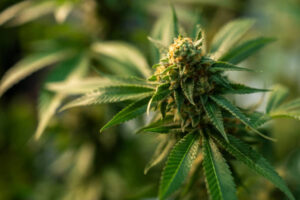

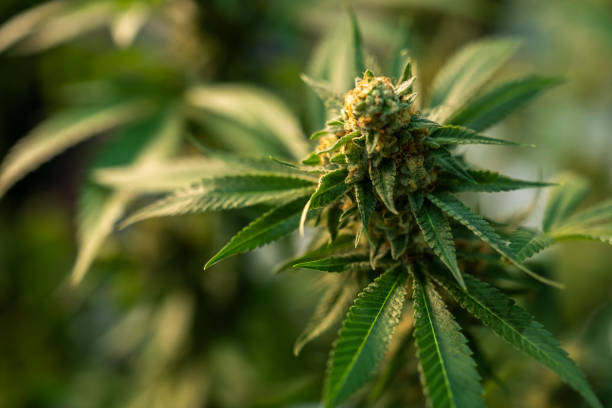
Cannabis formulators know that cannabinoids tell only part of the story. Terpenes – aromatic compounds responsible for the plant’s distinctive profiles – represent the missing variable in precision formulation. With over 200 identified terpenes in Cannabis, these volatile molecules determine not just aroma and flavor, but influence how products perform.
Recent analytical advancements in gas chromatography and mass spectrometry have revealed the chemical complexity present in the terpene arena. Each strain presents a unique spectrum of these compounds, creating distinct sensory and experiential characteristics that separate commodity products from winners and from scientifically-optimized formulations.
For formulators developing enterprise-grade cannabis products, understanding terpene chemistry isn’t optional. These compounds affect bioavailability, stability, and consumer experience in measurable ways. This terpene guide breaks down the science behind these essential molecules, providing data-driven insights for creating consistent, scalable formulations that deliver predictable results.
What Are Terpenes in Cannabis?
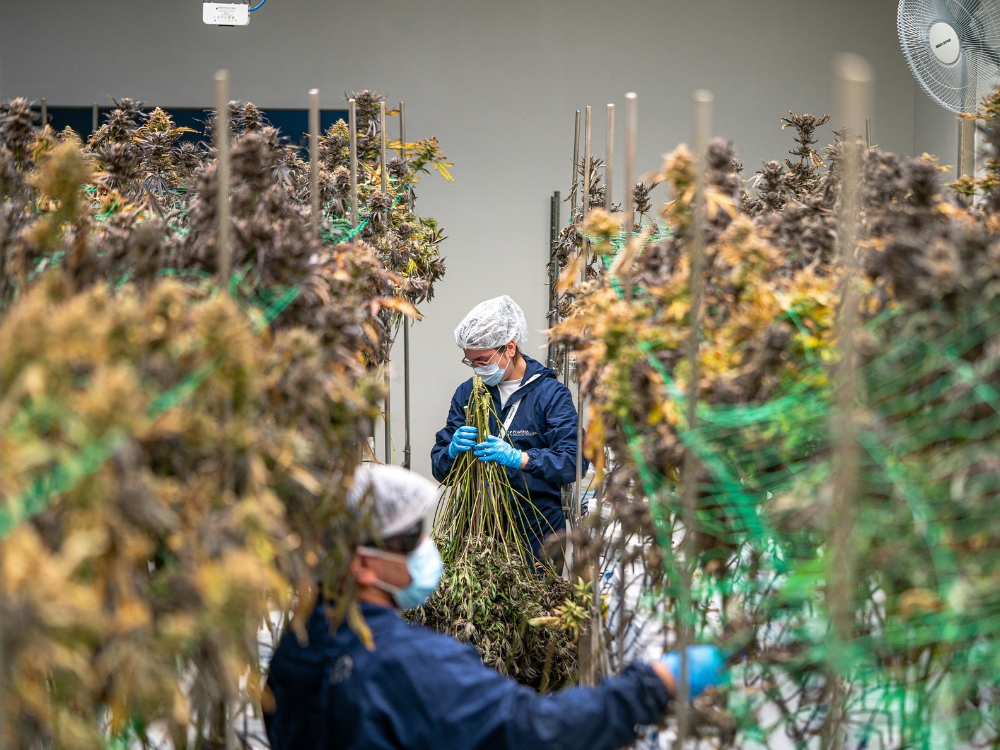
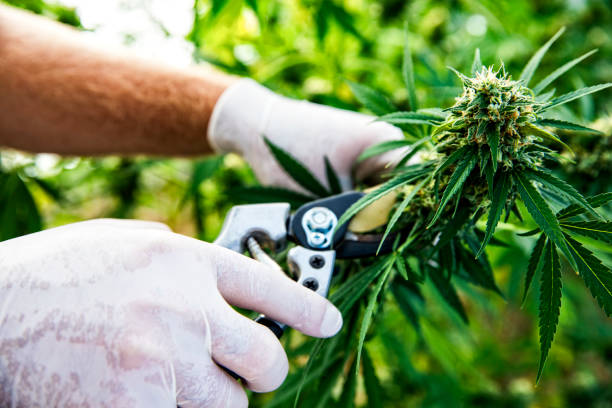
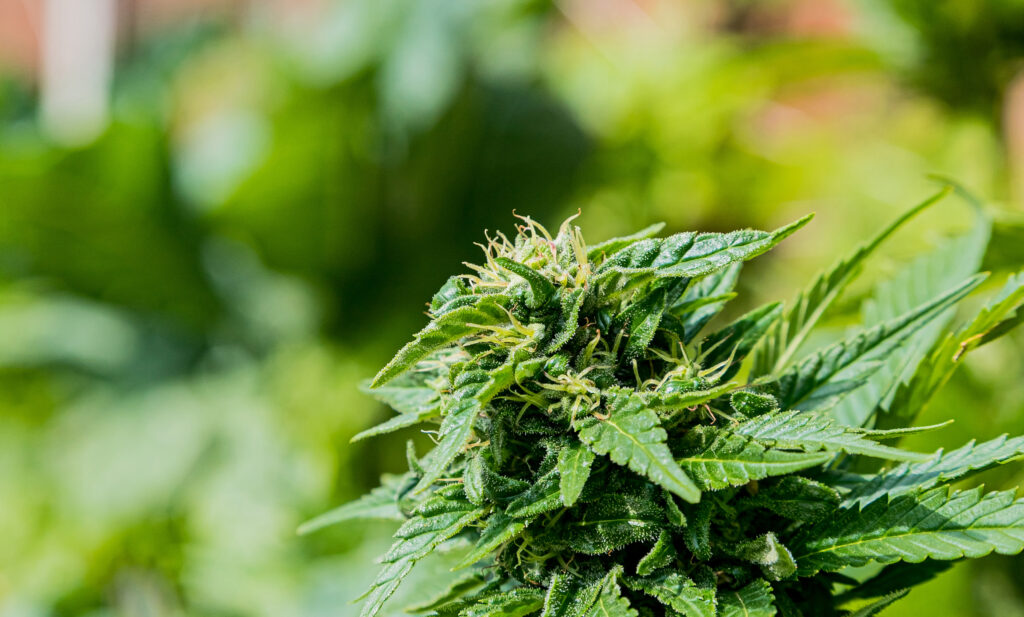
Terpenes are volatile organic compounds synthesized in the glandular trichomes of cannabis plants. These botanical compounds serve defensive functions in nature – deterring herbivores and attracting pollinators – while giving each cultivar its distinctive aroma and flavor profile.
From a formulation perspective, terpenes represent critical quality markers. Six primary compounds – Terpinolene, β-Myrcene, β-Caryophyllene, Limonene, α-Humulene, and Linalool – drive considerable cultivar-level variation in cannabis aromatic profiles seen today. This chemical diversity explains why different strains produce such distinct sensory experiences, even at similar cannabinoid concentrations.
The entourage effect – where terpenes and cannabinoids interact synergistically – adds another dimension to formulation science. Ongoing clinical research examines how terpenes administered with THC (tetrahydrocannabinol) modify analgesic and subjective effects compared to isolated compounds. These interactions affect bioavailability and consumer experience in ways that single-molecule formulations cannot replicate.
For enterprise formulators, terpene profiling has shifted from optional characterization to essential quality control. Modern terpene approaches integrate analytical chemistry with formulation strategy, enabling reproducible products that deliver consistent performance across production batches. Understanding these compounds means controlling the variables that separate predictable formulations from inconsistent results.
What Do Terpenes Do to Your High?
Terpenes don’t just contribute aromatic characteristics – they actively modulate how cannabinoids interact with your endocannabinoid system. These compounds influence receptor binding, enzyme activity, and absorption rates, fundamentally altering therapeutic outcomes beyond what isolated cannabinoids can achieve.
The mechanism works through multiple pathways. β-Caryophyllene directly activates CB2 receptors, producing anti-inflammatory responses independent of cannabinoid content. Meanwhile, compounds like myrcene enhance cell membrane permeability, allowing cannabinoids to cross the blood-brain barrier more efficiently. This increased bioavailability means lower doses can produce stronger physiological responses.
CBD (cannabidiol) demonstrates this synergy clearly – it modulates CB1 receptor activity without directly binding, reducing THC’s psychoactive intensity while preserving analgesic benefits. When combined with specific terpene profiles, these interactions create distinct therapeutic effects that whole-plant formulations deliver but isolated compounds cannot replicate.
For formulators, this means terpene ratios directly impact product performance. A formulation with 15% THC and optimized terpenes may outperform a 20% THC isolate in clinical applications. Understanding these terpene benefits in cannabis enables precise control over consumer experiences, transforming chemical composition from a quality metric into a formulation strategy that drives measurable, reproducible outcomes across production batches.
The Most Influential Terpenes: Which Gets You Highest?
No single terpene produces psychoactive effects comparable to THC – but specific compounds significantly amplify cannabinoid potency through pharmacokinetic mechanisms. Understanding which terpenes enhance bioavailability helps formulators predict and control experiential intensity.
Myrcene stands out for its membrane-permeabilizing properties. This compound increases blood-brain barrier permeability, allowing THC molecules to cross neurological barriers more rapidly. The result: faster onset times and heightened subjective intensity at identical cannabinoid concentrations. Formulators targeting rapid-acting products prioritize myrcene-dominant profiles for this accelerated delivery mechanism.
Limonene takes a different approach – modulating psychoactivity rather than amplifying it. Clinical research from Johns Hopkins University and University of Colorado demonstrates that limonene reduces anxiety responses associated with THC consumption. This anxiolytic property doesn’t diminish therapeutic potency but reshapes the subjective experience, making high-THC formulations more tolerable for sensitive consumers.
β-Caryophyllene offers unique receptor pharmacology. While it binds CB2 receptors in peripheral nervous tissue, it doesn’t activate CB1 receptors responsible for psychoactive responses. This selective binding produces anti-inflammatory outcomes without contributing to intoxication – valuable for formulators balancing therapeutic benefits against psychoactivity concerns.
The practical implication: terpene ratios determine how cannabinoids perform in finished products. A myrcene-rich formulation delivers faster, more intense effects. Limonene-forward profiles provide smoother, anxiety-reduced experiences. β-Caryophyllene adds therapeutic depth without psychoactive amplification. For terpenes versus cannabinoids optimization, these compound interactions represent controllable variables that separate predictable formulations from inconsistent consumer experiences.
Beta-Caryophyllene: The Mother of All Terpenes
β-Caryophyllene earns its distinction as “the mother of all terpenes” through a pharmacological property no other aromatic compound possesses: direct cannabinoid receptor activation. Unlike terpenes that simply modulate cannabinoid activity, β-caryophyllene functions as a CB2-selective partial agonist, triggering receptor-mediated signaling pathways independent of THC or CBD presence.
This CB2 receptor binding produces measurable anti-inflammatory responses through Gi/o-coupled signaling cascades. Clinical research demonstrates that β-caryophyllene inhibits leukocyte migration and reduces inflammatory markers in both in vitro and in vivo models. The compound’s selective affinity for CB2 receptors – concentrated in peripheral immune tissue rather than central nervous system CB1 receptors – means it delivers therapeutic outcomes without psychoactive contributions.
Beyond inflammation management, β-caryophyllene demonstrates cardioprotective, antioxidative, and anti-atherosclerotic mechanisms. Black pepper extract studies reveal anti-hypertensive properties relevant to cardiovascular formulations. The compound’s antimicrobial activity adds another dimension to its therapeutic profile.
For formulators, β-caryophyllene represents a bridge between traditional terpene chemistry and cannabinoid pharmacology. Its dual classification – aromatic compound and functional cannabinoid – enables formulations that activate endocannabinoid pathways through multiple mechanisms simultaneously. Lipid-based delivery systems enhance oral bioavailability, making this compound particularly valuable in edible and tincture applications where consistent absorption matters most.
Essential Terpenes for Formulation: Profiles and Applications
Beyond β-caryophyllene, three additional terpenes drive formulation decisions for product developers targeting specific therapeutic and sensory outcomes. Each compound presents distinct chemical properties that influence stability, bioavailability, and consumer experience.
α-Pinene delivers bronchodilatory properties through respiratory tissue interaction. This bicyclic monoterpene enhances memory retention by inhibiting acetylcholinesterase activity, making it valuable for cognitive-focused formulations. Formulators should note pinene’s high volatility – its low boiling point (155°C) demands careful temperature control during extraction and processing to prevent losses.
Linalool functions primarily through GABAergic pathways, producing anxiolytic responses independent of cannabinoid content. Peer-reviewed research demonstrates dose-dependent sedative effects, with higher concentrations (above 3% total terpene content) delivering measurable calming outcomes. The compound exists as two enantiomers – (R)-(-)-linalool and (S)-(+)-linalool – with different pharmacological profiles. This stereochemical variation affects product consistency, requiring cannabis terpene profile analysis beyond simple concentration metrics.
α-Humulene shares structural similarities with β-caryophyllene but lacks CB2 receptor affinity. Instead, it contributes anti-inflammatory activity through COX-2 inhibition pathways. Humulene’s appetite-suppressant properties differentiate it from myrcene’s opposite effect, enabling formulators to design products targeting specific consumer needs.
Stability represents the critical formulation challenge across all three compounds. Scientific Reports data reveals temperature, light exposure, and oxygen contact accelerate terpene degradation significantly faster than cannabinoid breakdown. Nitrogen-flushed containers and amber glass packaging preserve volatile profiles during storage. Processing temperatures above 180°C cause irreversible terpene loss – extraction methods must prioritize thermal management to maintain compound integrity from cultivation through final packaging.
How to Source and Select Terpenes for Product Development
Sourcing quality terpenes begins with Certificate of Analysis (COA) interpretation. Laboratory reports should quantify individual terpene concentrations using gas chromatography-flame ionization detection (GC-FID) or gas chromatography-mass spectrometry (GC-MS). Look beyond total terpene percentages – dominant compound ratios determine functional outcomes more than aggregate numbers.
Cannabis-derived versus botanical terpenes present distinct formulation considerations. Cannabis-sourced compounds contain trace minor molecules absent in botanical isolates, potentially affecting entourage interactions. However, botanical terpenes offer cost-effective scalability with consistent purity profiles when properly certified. Safety testing should verify residual solvent levels below state thresholds and confirm the absence of pesticide contamination regardless of source.
Concentration guidelines vary by delivery method. Vape formulations typically perform optimally at 5-15% total terpene content, while edibles tolerate 2-8% before aromatic profiles overwhelm flavor systems. Topicals accommodate higher concentrations (up to 20%) depending on the final product form and formulation.
Supplier evaluation demands standardized stability metrics. Request accelerated aging data showing terpene retention at elevated temperatures over 30-90 day periods. Reputable vendors provide reports confirming advertised profiles match actual composition. For calming formulations, prioritize linalool-dominant profiles; energy-focused products benefit from pinene and limonene.
Storage conditions directly impact ingredient quality. Nitrogen-sealed containers prevent oxidative degradation, while refrigerated storage (2-8°C) preserves volatile compound integrity during formulation development cycles.
Terpene Delivery Methods: Maximizing Bioavailability
Delivery method fundamentally alters terpene pharmacokinetics. Inhalation achieves approximately 31% bioavailability with onset under five minutes, as volatile compounds bypass hepatic metabolism and enter circulation directly through pulmonary tissue. However, thermal degradation above 180°C destroys heat-sensitive terpenes during vaporization – formulators must balance temperature control against vaporization efficiency.
Sublingual administration offers moderate bioavailability through mucosal absorption, delivering terpenes and cannabinoids into systemic circulation while avoiding first-pass liver metabolism. Onset occurs within 15-30 minutes, providing faster action than edibles with more predictable concentration curves than inhalation methods.
Oral ingestion presents the greatest formulation challenge. First-pass hepatic metabolism degrades terpenes before reaching target tissues, reducing effective bioavailability to single-digit percentages. Lipid-based carriers significantly improve absorption – self-emulsifying systems containing terpenes like β-caryophyllene demonstrate enhanced oral bioavailability through improved solubility and membrane permeability.
Advanced formulation strategies incorporate invasomes – liposomal structures combined with terpenes that enhance dermal penetration for topical applications. These lipid carriers leverage terpenes’ membrane-modulating properties, transforming them from aromatic compounds into functional penetration enhancers that improve active ingredient delivery across biological barriers.
Crafting Superior Cannabis Experiences
Mastering terpene chemistry separates commodity products from precision formulations that deliver reproducible consumer experiences. Successful formulators recognize that volatile compound preservation – from cultivation through final packaging – determines whether products maintain their intended aromatic and functional characteristics across production batches.
Advanced analytical platforms now enable cultivar-specific profiling that captures complete phytochemical compositions, not just dominant compounds. Entour’s True To Plant technology demonstrates this approach, replicating exact strain profiles by analyzing over 200 compounds to engineer predictable outcomes. This level of precision transforms terpene formulation from sensory enhancement into strategic product differentiation.
Temperature-controlled processing, nitrogen-flushed packaging, and validated stability protocols protect these volatile molecules throughout manufacturing workflows. Combined with evidence-based delivery system selection, these methodologies enable formulations where terpene profiles function as designed rather than degrading into inconsistent results.