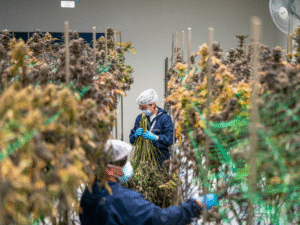



The therapeutic terpenes market just crossed $6 billion, and researchers are finally catching up to what your nose already knew. These natural plant compounds responsible for everything from a cannabis strain’s citrus smell to lavender’s calming effects are now the subject of rigorous clinical trials launching this year. UCLA secured $1.2 million to study how terpenes work alone and combined with Tetrahydrocannabinol (THC) for pain relief, while multiple universities investigate their role in anxiety and inflammation. The shift matters because you’re no longer guessing which peppery scent or sweet aroma might offer stress relief. World of Terpenes tracks this emerging science where plant aroma meets evidence through its comprehensive terpenes guide for cannabis. From airway opening properties to specific dosage guidelines, 2026 marks the year terpenes move from anecdotal aromatherapy to clinically relevant treatment approaches backed by data.
Understanding Therapeutic Terpenes: The Basics
Therapeutic terpenes are natural plant compounds that give botanicals their distinctive scents and deliver measurable physiological effects. You’ll find these phytochemicals across the plant kingdom – from the peppery scent of black pepper to pine’s sharp aroma – but cannabis strains showcase particularly concentrated profiles. Recent 2026 research confirms what traditional medicine suggested: Linalool provides anti-anxiety benefits, Myrcene offers sedative properties alongside pain relief, and Pinene supports both focus and anti-inflammatory responses. These aren’t vague wellness claims anymore. The compounds work through specific mechanisms, interacting with your Central Nervous System (CNS) receptors to produce calming effects and stress relief. When you encounter a cannabis strain’s citrus smell, you’re detecting Limonene, which studies now link to mood support, as explained in this detailed breakdown of limonene terpene effects. That sweet aroma in lavender? Linalool, with well-documented anxiolytic properties. World of Terpenes synthesizes this expanding body of evidence into actionable guidance, helping you understand not just what these compounds smell like but how they function therapeutically.
The distinction matters because dosage, delivery method, and terpene profiles all influence whether you experience meaningful relief from anxiety, inflammation, or insomnia rather than just pleasant aromatherapy.
How Terpenes Work: The Entourage Effect and Endocannabinoid System
Your body’s endocannabinoid system doesn’t process cannabis compounds in isolation. Terpenes amplify cannabinoid activity through what researchers call the entourage effect – a synergy between phytocannabinoids, terpenes, and flavonoids that produces stronger therapeutic outcomes than any single compound alone. When you consume a full-spectrum cannabis strain, Myrcene may enhance Cannabidiol (CBD) absorption while Limonene modulates neurotransmitter receptors independently. This interaction profile explains why isolated CBD often underperforms compared to whole-plant formulations containing complementary terpenes.
The mechanism involves multiple pathways. Terpenes bind to your Central Nervous System (CNS) receptors, influence inflammatory responses, and modify how cannabinoids interact with CB1 and CB2 receptor sites. Alpha-Pinene, for instance, affects memory pathways through specific signaling cascades that complement THC’s psychoactive properties. World of Terpenes emphasizes this complexity because your therapeutic results depend on understanding these compound interactions. Full-spectrum products preserve natural plant compound ratios for maximum entourage benefits, while isolates eliminate synergy entirely. For conditions like anxiety or inflammation, this distinction determines whether you experience meaningful relief or minimal response.
The 7 Most Powerful Therapeutic Terpenes and Their Benefits
The National Institutes of Health allocated approximately $3 million across nine research awards in 2026 specifically to investigate minor cannabinoids and terpenes for pain-relieving properties. This funding reflects a broader shift toward evidence-based terpene therapeutics with measurable clinical outcomes. Below you’ll find the most researched therapeutic terpenes, their documented effects, and practical applications for specific health conditions.
1. Myrcene – Sedation and Pain Reduction
Myrcene dominates most cannabis strains at concentrations up to 50% of total terpene content. This compound delivers potent sedative properties alongside documented pain reduction effects. You’ll recognize its earthy, musky profile in indica-dominant varieties. Clinical applications focus on insomnia treatment and chronic pain management, with optimal dosing around 0.5-2mg when combined with cannabinoids. Myrcene also enhances cannabinoid bioavailability by modifying cell membrane permeability.
2. Limonene – Mood Boost and Stress Relief
That bright citrus smell signals Limonene’s presence, and research confirms its role in elevating mood through serotonin pathway modulation. This terpene shows particular promise for anxiety disorders and depression when administered at 1-3mg doses. Limonene also demonstrates gastric reflux relief and may support immune function. Inhalation provides the fastest onset, typically within 5-10 minutes.
3. Linalool – Anxiety and Sleep Aid
Lavender’s signature compound delivers measurable calming effects through Gamma-Aminobutyric Acid (GABA) receptor interaction. Linalool reduces anxiety symptoms at doses as low as 0.3mg and functions as an effective sleep aid without morning grogginess. The compound also shows anti-inflammatory properties relevant to pain conditions. Sublingual and inhalation methods offer superior absorption compared to oral capsules.
4. Beta-Caryophyllene – Anti-Inflammatory Action
This peppery scent compound uniquely binds to CB2 receptors, making it the only terpene that directly activates the endocannabinoid system. Beta-Caryophyllene targets inflammatory conditions including arthritis, neuropathic pain, and inflammatory bowel disease. Effective doses range from 50-200mg daily, with topical applications showing localized benefits for joint pain.
5. Alpha-Pinene – Airway Opening and Focus
Pine’s sharp aroma comes from Alpha-Pinene, which acts as a bronchodilator supporting respiratory function. This terpene counteracts short-term memory impairment from THC while promoting alertness and focus. Doses of 1-2mg enhance cognitive performance without stimulant side effects. Pinene also exhibits anti-inflammatory mechanisms relevant to asthma management.
6. Humulene – Appetite Suppression and Anti-Inflammatory
Unlike most cannabis compounds, Humulene suppresses appetite while delivering robust anti-inflammatory benefits. You’ll find this earthy, woody terpene in hops and certain sativa strains. Research supports its use in weight management protocols and inflammatory conditions at 10-50mg doses. Humulene works synergistically with Beta-Caryophyllene for enhanced pain relief.
7. Terpinolene – Sedative and Antioxidant Properties
This complex terpene blends floral, herbal, and pine notes while offering mild sedative effects and potent antioxidant activity. Terpinolene appears less frequently in cannabis strains but shows promise for anxiety reduction and cellular protection. Optimal therapeutic doses remain under investigation, though 0.5-1.5mg appears effective for relaxation without heavy sedation.
| Terpene | Primary Benefit | Optimal Dose Range | Best Delivery Method |
| Myrcene | Pain & Sleep | 0.5-2mg | Inhalation |
| Limonene | Mood & Anxiety | 1-3mg | Inhalation/Sublingual |
| Linalool | Anxiety & Sleep | 0.3-1mg | Sublingual |
| Beta-Caryophyllene | Inflammation | 50-200mg | Oral/Topical |
| Alpha-Pinene | Focus & Breathing | 1-2mg | Inhalation |
| Humulene | Inflammation | 10-50mg | Oral |
| Terpinolene | Relaxation | 0.5-1.5mg | Inhalation |
World of Terpenes will provide detailed profiles and sourcing guidance for these compounds when the platform launches. For now, prioritize full-spectrum products that preserve natural terpene ratios rather than isolated compounds. Professional medical guidance remains essential when addressing specific conditions like chronic pain or anxiety disorders. The emerging research on terpene benefits continues to refine dosage protocols and identify optimal consumption methods for targeted therapeutic applications. As 2026 studies progress, expect more precise guidelines on terpenes in cannabis for clinical use alongside personalized treatment approaches that account for individual biochemistry and specific health goals.
What Is the Most Powerful Terpene?
Potency depends on your therapeutic target. Beta-Caryophyllene stands out for anti-inflammatory applications because it directly activates CB2 receptors with measurable binding affinity – a unique mechanism among terpenes that positions it as a dietary cannabinoid. Research documents its selective receptor interaction, making it particularly effective for inflammation-related conditions where other compounds simply modulate symptoms. Myrcene claims dominance for sedation and pain reduction, often comprising up to half of a cannabis strain’s terpene content. Its muscle relaxant properties and ability to enhance cannabinoid bioavailability give it broad therapeutic relevance. Neither compound universally outperforms the other – your specific health condition determines which delivers superior results. For joint pain or inflammatory bowel disease, Beta-Caryophyllene’s peppery scent signals targeted CB2 activation. For insomnia or chronic pain requiring calming effects, Myrcene’s pungent aroma indicates sedative action. World of Terpenes will provide comparative data on these therapeutic and medicinal uses of terpenes, including airway opening benefits from other compounds, when the platform launches with detailed application guidance.
What Terpene Is Most Euphoric?
Limonene delivers the most pronounced mood boost through its direct interaction with dopamine pathways. This citrus smell compound elevates well-being by modulating neurotransmitter activity, creating motivating effects backed by pharmacological studies. Research confirms Limonene’s antidepressant properties work synergistically with THC in cannabis strains, enhancing euphoric responses while reducing anxiety that sometimes accompanies psychoactive experiences. The entourage effect amplifies these outcomes – Limonene doesn’t just smell pleasant, it actively shifts your neurochemistry towards a positive effect. For energy boost combined with elevated mood, seek products where Limonene appears prominently in the terpene profile alongside complementary compounds. Dosing matters significantly: 1-3mg via inhalation provides rapid onset, typically within minutes. Professional guidance ensures you select appropriate formulations for your specific therapeutic goals rather than experimenting blindly with various cannabis strains.
What Is the Mother of All Terpenes?
Isoprene earns its title as the mother of all terpenes because every terpene you encounter is built from this five-carbon building block (C5H8). Otto Wallach proposed the isoprene rule in 1887, demonstrating that natural plant compounds from monoterpenes to sesquiterpenes follow formulas that are multiples of this base unit. Your body synthesizes these isoprene units through two distinct pathways: the mevalonate pathway in cell cytosol produces sesquiterpenes, while the methylerythritol phosphate pathway in plastids generates monoterpenes. This explains why a cannabis strain’s peppery scent (Beta-Caryophyllene, three isoprene units) differs structurally from its citrus smell (Limonene, two isoprene units), yet both originate from the same molecular foundation.
What Terpenes Should I Stay Away From?
Individual sensitivity varies significantly, and certain terpenes trigger allergic reactions in susceptible people. Linalool, Limonene, and Geraniol rank among the most common fragrance allergens, with EU regulations requiring labeling when concentrations exceed specific thresholds. You should perform a patch test on your inner elbow at least 48 hours before applying any terpene-containing product to larger skin areas. This simple precaution identifies potential contact dermatitis before widespread exposure occurs.
High concentrations of inhaled terpenes can irritate respiratory passages, causing throat soreness and coughing with prolonged exposure. People with asthma or existing respiratory conditions should exercise particular caution when using concentrated terpene formulations. Start with minimal doses regardless of delivery method – topical, inhalation, or oral – and monitor your body’s response. Professional medical guidance becomes essential when you’re managing specific health conditions or taking medications that might interact with these natural plant compounds.
Therapeutic Applications: Matching Terpenes to Medical Conditions
A patient with chronic anxiety and insomnia might benefit most from Linalool-dominant relaxing strains, while someone managing inflammatory pain needs Beta-Caryophyllene’s CB2 receptor activation. Matching terpenes to medical conditions requires understanding both the compound’s mechanism and your specific symptoms.
For anxiety disorders, prioritize Linalool (0.3-1mg) for its Gamma-Aminobutyric Acid (GABA) modulation and Limonene (1-3mg) for mood elevation. Preclinical studies show these compounds produce cannabinoid-like behaviors via CB1 receptors when addressing stress relief, with enhanced efficacy when combined. Inhalation delivers the fastest onset for acute anxiety episodes.
Pain reduction demands different profiles. Myrcene provides sedative analgesia for nighttime relief, while Beta-Caryophyllene targets daytime inflammation without drowsiness. Chronic pain patients should explore full-spectrum formulations containing both compounds at therapeutic ratios. Topical applications work effectively for localized joint discomfort.
Insomnia responds best to Myrcene’s muscle relaxant properties combined with Linalool’s calming effects. A cannabis strain’s sweet aroma often indicates these sedative terpenes at concentrations that promote sleep aid benefits without morning grogginess.
| Condition | Primary Terpenes | Delivery Method | Timing |
| Anxiety | Linalool, Limonene | Sublingual | As needed |
| Chronic Pain | Myrcene, Beta-Caryophyllene | Oral/Topical | Scheduled |
| Insomnia | Myrcene, Linalool | Inhalation | Before bed |
| Inflammation | Beta-Caryophyllene | Oral | Daily |
Current registered clinical trials examine CBD combined with specific terpene profiles for anxiety and chronic pain, moving toward personalized treatment protocols. World of Terpenes will track these therapeutic and medicinal uses of terpenes as evidence emerges. Professional medical guidance remains essential when addressing serious conditions rather than self-medicating with cannabis.
How to Read Lab Reports for Terpene Content in 2026
Step 1: Locate the Terpene Profile Section
Your Certificate of Analysis (COA) displays multiple testing categories – potency, contaminants, and terpene composition. Find the section labeled “Terpene Profile” or “Terpene Analysis,” typically positioned after cannabinoid percentages. Florida now requires scannable QR codes linking directly to batch COAs, making access simpler than ever.
Step 2: Identify Dominant Compounds
Terpenes listed above 1% represent the dominant compounds driving that cannabis strain’s citrus smell, peppery scent, or sweet aroma. A PLOS ONE study analyzing 90,000 samples revealed significant inconsistencies between strain labels and actual terpene content – your COA provides accurate chemical data rather than marketing claims. Look for Myrcene, Limonene, or Linalool at the top of the list.
Step 3: Calculate Total Terpene Content
Add individual terpene percentages to determine total content. Quality products typically show 2-5% total terpenes, with premium cannabis terpenes reaching 7% or higher. This number directly correlates with therapeutic potency for calming effects and stress relief.
Step 4: Match Profile to Therapeutic Goals
Cross-reference dominant terpenes against your health objectives. High Linalool signals anxiety support, while Beta-Caryophyllene indicates anti-inflammatory benefits. World of Terpenes will provide detailed matching protocols when the platform launches with comprehensive strain profiling.
Optimizing Terpene Effectiveness: Dosage and Consumption Methods
Your delivery method determines how quickly terpenes reach therapeutic concentrations and how long their effects persist. Each approach offers distinct bioavailability profiles that influence dosing requirements for conditions like anxiety or inflammation.
- Inhalation – Fastest onset occurs through vaporization, with terpenes reaching peak concentrations within 3-10 minutes. This method bypasses first-pass metabolism, delivering 10-35% bioavailability. You’ll preserve heat-sensitive compounds by keeping temperatures below 350°F. Ideal for acute anxiety episodes requiring immediate stress relief.
- Sublingual Administration – Placing terpene-rich tinctures under your tongue provides 12-35% bioavailability with effects appearing in 15-30 minutes. This route offers better absorption than oral capsules while maintaining discretion. Effective for sustained calming effects throughout the day.
- Topical Application – Direct skin application targets localized inflammation without systemic absorption. Beta-Caryophyllene’s peppery scent in balms delivers anti-inflammatory benefits to specific joints or muscles. Bioavailability remains limited, making this approach unsuitable for conditions requiring systemic effects.
- Oral Ingestion – Capsules and edibles show 5-20% bioavailability with delayed onset of 30 minutes to 4 hours due to first-pass liver metabolism. This method suits chronic pain management requiring extended duration despite reduced efficiency.
Start with minimal doses regardless of method. World of Terpenes will provide personalized protocols matching specific cannabis strain profiles to your therapeutic goals when the platform launches.
Preserving Terpenes: Storage and Handling Best Practices
- Refrigerate at 4°C – Store your products in refrigeration to slow terpene degradation significantly. Monoterpenes like Myrcene and Limonene evaporate faster than sesquiterpenes at room temperature, reducing therapeutic potency within days.
- Minimize Oxygen Exposure – Oxygen triggers oxidation that breaks down these natural plant compounds into inactive peroxides. Use airtight containers and limit how often you open them.
- Block Light Completely – UV radiation accelerates terpene breakdown. Choose opaque containers or store products in dark locations away from windows.
- Maintain 59-63% Humidity – This range prevents moisture loss that dries terpene-rich material while avoiding mold growth. Humidity packs maintain optimal conditions.
- Avoid Heat Sources – Temperatures above 70°F speed degradation of compounds delivering calming effects and stress relief. Keep products away from appliances or direct sunlight.
Your Journey with Therapeutic Terpenes Starts Here
Therapeutic terpenes deliver measurable relief for anxiety, pain, inflammation, and insomnia when you match specific compounds to your health goals. These natural plant compounds work through documented mechanisms – from Beta-Caryophyllene’s CB2 receptor activation to Linalool’s GABA modulation – offering scientifically supported treatment approaches beyond aromatherapy. Start with professional guidance on dosage and delivery methods rather than self-medicating. Prioritize full-spectrum products with verified lab reports showing dominant terpene profiles aligned to your therapeutic needs. World of Terpenes will provide detailed strain profiling and personalized protocols when the platform launches, helping you navigate this expanding field where plant aroma meets science.