
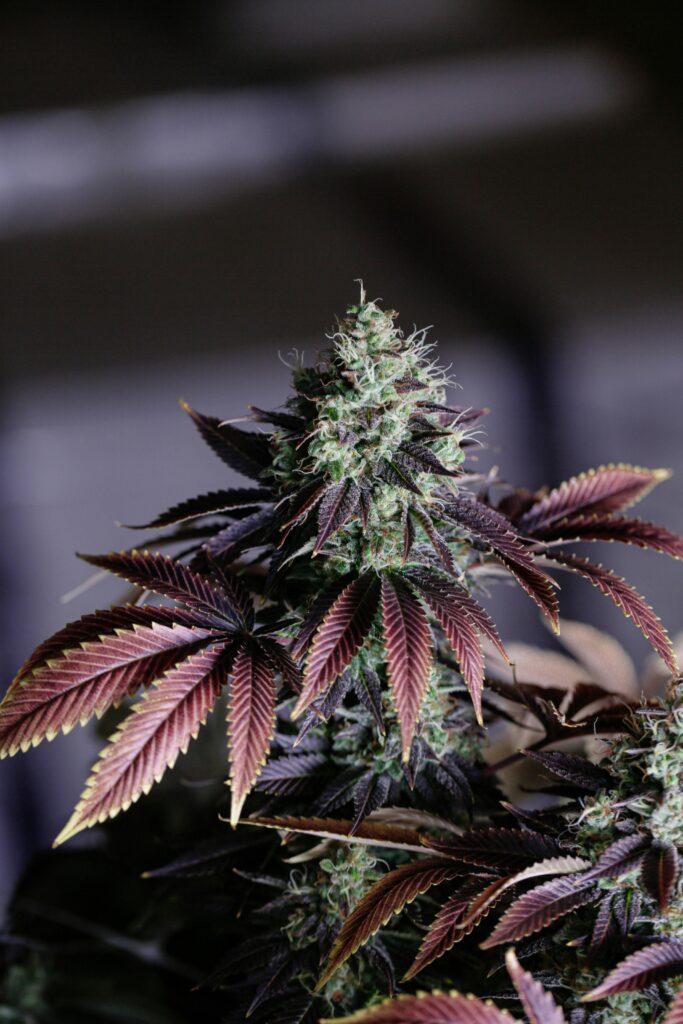
The terpene market promises purity, but separating genuinely organic terpene suppliers from those cutting corners requires scrutiny. You’ll encounter bold claims about “natural” extraction methods while suppliers quietly use chemical solvents or synthetic additives. The challenge intensifies when you need verification – independent testing laboratories now hold over 33% of the cannabis testing market share, yet not all suppliers provide transparent third-party results.
Finding pure natural terpenes means looking beyond marketing language. Solvent-free extraction methods like vacuum steam distillation preserve botanical integrity, but they’re more expensive to operate. That’s why some suppliers blend synthetic compounds into their formulas while maintaining “natural” branding. The best organic terpene suppliers distinguish themselves through complete lab documentation, specific extraction method disclosure, and strain-specific profiles that match their botanical sources. This comparison cuts through the noise to identify seven suppliers who deliver genuinely solvent-free terpenes backed by verifiable quality standards.
7 Top Organic Terpene Suppliers: Detailed Comparison
Organic terpene suppliers vary dramatically in their extraction methods, certification standards, and product authenticity. After evaluating dozens of providers, seven stand out for delivering genuinely solvent-free terpenes with transparent lab testing and verifiable quality controls. These suppliers represent the benchmark for purity in a market where 67% of products make unsubstantiated “natural” claims without proper certification.
Comparison Overview: What Sets These Suppliers Apart
The suppliers below passed three critical filters: documented solvent-free extraction processes, third-party lab verification, and strain-specific profiles that match botanical sources. You won’t find vague “terpene blend” offerings here – each provides detailed composition data and transparent sourcing.
The Industry Leaders: Deep Dive Analysis
Entour Brand
Entour Brand operates at commercial scale, supplying strain-specific terpene formulations to manufacturers, white-label brands, and independent creators. Their strength lies in formulation consistency, cannabis authenticity, and a large catalog of cannabis-inspired and flavorful botanical profiles.
With strong competitive pricing, their documented quality controls, batch-level COAs, and flexible order volumes justify the investment for both small-scale and enterprise buyers. Their minimum orders accommodate pilot testing as well as bulk production, making them suitable for brands scaling into regulated markets.
Denver Terpenes
Denver Terpenes has served manufacturers since 2014 with lab-grade botanical terpenes. They focus exclusively on wholesale and bulk volumes, making them ideal for developers who need reliable supply chains. Their 100+ all-natural blends come with complete lab documentation and remain competitively priced.
ECS Botanics
ECS Botanics stands alone as Australia’s only certified organic cannabis cultivator operating to EU-GMP standards. Their vertical integration – from sun-grown cultivation through extraction – ensures full quality control. Bulk minimums (100g+) deliver strong value for brands prioritizing certified organic sourcing.
Specialized Suppliers for Specific Needs
PharmaHemp
PharmaHemp brings 14+ years of GMP-certified manufacturing experience, primarily serving B2B clients in regulated markets. Their supercritical CO₂ extraction preserves delicate terpene compounds while maintaining pharmaceutical-grade purity.
East Fork Cultivars
East Fork Cultivars focuses on genetics rather than extracted terpenes, supplying USDA Organic-certified hemp seeds and cultivars. Their breeding program supports growers who want to produce terpene-rich biomass in-house.
True Extracts
True Extracts provides more than 300 strain-specific profiles with organic certification and transparent testing. Their low minimums make them accessible for small-batch formulation and R&D testing.
The Terpene Lab
The Terpene Lab maintains over 7,500 terpene profiles, making them a leading resource for matching rare or discontinued cultivars. With multiple extraction options and low minimums, they balance accessibility with professional-grade quality.
Making Your Selection: Key Decision Factors
Volume requirements determine your best fit. Small producers benefit from True Terpenes’ or The Terpene Lab’s low minimums, while commercial manufacturers should evaluate Denver Terpenes or ECS Botanics for bulk pricing advantages. Certification needs matter too – regulated markets require GMP documentation that PharmaHemp or ECS Botanics provide, while craft producers might prioritize USDA Organic status.
Extraction method impacts final product characteristics. Steam distillation and vacuum distillation excel at preserving delicate monoterpenes, while supercritical CO2 captures broader compound profiles including heavier sesquiterpenes. Your target terpene profile guide determines which method suits your formulation goals.
Price per gram varies significantly based on volume, certification level, and profile complexity. Bulk buyers accessing ECS Botanics’ $8-22 range achieve dramatically different economics than retail purchasers paying $40-50 per gram for specialized profiles. Calculate your actual cost per finished product unit rather than focusing solely on raw terpene pricing.
Quality Verification Standards
Every supplier listed provides third-party lab testing, but documentation depth varies. World of Terpenes emphasizes that authentic strain profiling requires matching botanical sources to chemical composition through verified testing protocols. Look for complete cannabinoid and terpene panels, residual solvent testing (should show “none detected” for truly solvent-free products), and heavy metal screening.
The best organic terpenes for sale include full certificates of analysis showing total terpene percentages above 9% – this threshold indicates rich, undiluted profiles that deliver authentic aromatic experiences. Suppliers cutting their terpenes with carrier oils or synthetic compounds rarely achieve these concentration levels. Demand documentation before committing to bulk purchases, and verify that organic certifications come from recognized bodies like USDA or EU-GMP rather than self-certification schemes.
These seven suppliers represent the current benchmark for quality in organic terpene sourcing. Your specific needs – whether prioritizing organic certification, strain diversity, bulk pricing, or regulatory compliance – determine which provider best serves your formulation goals.
What Makes Terpenes Truly Organic and Solvent-Free?
Solvent-free terpenes are extracted without chemical intermediaries like butane, propane, ethanol, or hexane that leave detectable residues in final products. True solvent-free extraction uses physical separation methods – steam distillation, mechanical pressing, or supercritical CO2 under specific parameters – that isolate terpene compounds through temperature, pressure, or water vapor alone. The distinction matters because residual solvents, even at parts-per-million levels, alter flavor profiles and raise safety concerns for consumers prioritizing genuinely natural terpenes.
Steam distillation passes water vapor through botanical material at temperatures between 100-150°C, carrying volatile terpenes into a condensation chamber where they separate from water. This method has preserved essential oils for centuries and produces genuinely solvent-free results. CO2 extraction operates differently – supercritical carbon dioxide acts as a tunable solvent at specific pressure and temperature combinations, then evaporates completely without residue. According to Essentia Pura, CO2 extraction preserves delicate terpene profiles while maintaining purity standards that solvent-based methods can’t match.
Organic certification requires more than solvent-free extraction. USDA Organic or EU-GMP standards mandate certified organic source material, no synthetic pesticides during cultivation, and documented processing controls. You can have solvent-free terpenes from conventionally grown plants, or organic botanical terpenes extracted with solvents – neither qualifies as both. Evaluate suppliers by demanding residual solvent testing showing “none detected” alongside organic certification documents. Our terpene extraction methods compared guide details how different processes impact final purity and which questions to ask before purchasing bulk terpenes from any supplier.
What is the Best Terpene Company?
The best terpene company depends on your specific needs – there’s no universal winner across all use cases. You need to evaluate suppliers against four decision criteria that directly impact quality and value.
Use Case and Product Format
Match suppliers to your application. Formulators need bulk terpenes with consistent batch-to-batch profiles, while aromatherapy users prioritize small-volume strain-specific profiles. Botanical terpenes work for THC-free applications, but cannabis-derived sources deliver authentic cultivar experiences.
Third-Party Testing and Certifications
GMP certification ensures compliant extraction, formulation, and packaging for terpene suppliers. Demand ISO/IEC 17025:2017-accredited lab reports showing residual solvent testing with “none detected” results. Organic certification from USDA or EU-GMP validates source material integrity beyond marketing claims.
Terpene Concentration Standards
Products with 9%+ total terpenes deliver richer flavor and aroma profiles. Lower concentrations often indicate dilution or cutting with carrier oils. Compare certificates of analysis across suppliers to verify actual terpene percentages match label claims. The terpene chart guide is a useful reference for understanding what those percentage values mean across different compound types and how they translate into real-world effects.
Pricing and Minimum Orders
Bulk pricing varies dramatically between wholesale and retail channels. Evaluate cost-per-gram alongside minimum order quantities to find suppliers matching your volume needs. World of Terpenes helps you compare comprehensive terpene guide options before committing to large purchases.
How to Verify Terpene Quality: COAs, Lab Testing, and Supplier Legitimacy
A Certificate of Analysis (COA) is your primary tool for verifying terpene quality before purchase. You need to check three critical sections in every COA: terpene profile breakdown, residual solvent testing, and heavy metal screening. Legitimate suppliers provide batch-specific COAs with ISO/IEC 17025:2017-accredited lab stamps, not generic reports recycled across products.
Start by examining the terpene profile section. According to Thrive Dispensaries, lab results should list individual terpene concentrations alongside total terpene percentage. Products claiming 9%+ total terpenes must show specific compounds like beta-caryophyllene, limonene, and myrcene with measurable values. If the COA shows only “total terpenes” without compound-specific data, that’s a red flag for dilution or synthetic blending.
Residual solvent testing reveals extraction quality. Look for “none detected” or “ND” results across all solvents tested – ethanol, butane, hexane, and propane. Any detectable residue indicates incomplete purification, even if below regulatory limits. Heavy metal screening should test for lead, arsenic, cadmium, and mercury with results below 0.5 parts per million.
Verify supplier legitimacy by cross-checking lab accreditation. Visit the testing lab’s website directly and confirm they hold current ISO 17025 certification. Compare the lab’s logo and contact information on the COA against their official website. Suppliers using fabricated or expired lab reports often feature mismatched details. You can explore verified terpenes explained guide resources to understand quality benchmarks before evaluating suppliers.
What Terpenes Should I Stay Away From?
You should avoid synthetic terpenes, contaminated products with detectable solvents, and any blends lacking full ingredient disclosure. Synthetic terpenes often contain petroleum-based compounds that mimic natural structures but lack the complete chemical fingerprint of botanical sources. According to Medical Terpenes, individuals with citrus allergies should exercise caution with limonene-heavy products, while those sensitive to pine resin may react to alpha-pinene concentrations above 15%.
Adulterated blends pose the biggest risk. Products labeled “terpene blend” without specifying individual compounds often contain cutting agents or undisclosed synthetic fillers. Natural terpenes from verified botanical sources eliminate these concerns when paired with third-party testing. Watch for terpenes extracted using butane or hexane without residual solvent testing – any detectable hydrocarbon residue indicates incomplete purification.
Avoid suppliers who refuse batch-specific COAs or claim proprietary formulas prevent disclosure. THC-free terpenes from organic sources should always list exact terpene percentages and botanical origins. If you experience throat irritation or headaches after use, discontinue immediately and verify your product’s solvent testing results. Understanding the full safety profile of terpene compounds is essential before committing to regular use – the top therapeutic terpenes guide covers which compounds have the strongest safety and efficacy evidence behind them.
Isoprene is the mother of all terpenes – the five-carbon building block that forms every terpene structure found in nature. This simple C5H8 molecule links together in multiples to create the diverse cannabis terpene profiles you encounter. Two isoprene units form monoterpenes like limonene, while three create sesquiterpenes such as beta-caryophyllene. Think of isoprene as molecular LEGO blocks that plants assemble into thousands of aromatic compounds. When suppliers extract organic terpenes from botanical sources, they’re capturing these isoprene-based molecules in their natural configurations. Understanding this foundational chemistry helps you recognize why natural terpenes maintain complex structures that synthetic versions struggle to replicate accurately.
Your Next Steps to Finding Pure, Organic Terpenes
The seven suppliers covered here represent verified sources for organic, solvent-free terpene products backed by third-party testing. Your priority should be confirming COA availability, verifying extraction methods match organic claims, and checking minimum order requirements against your needs. Strain-specific profiles work best for targeted applications, while botanical terpenes offer cost-effective alternatives for bulk projects.
Quality verification never stops at the first purchase. Request batch-specific lab results for every order, confirm terpene percentages match product descriptions, and watch for any solvent residue above detection limits. Natural terpenes from reputable solvent-free terpene sources maintain consistency across batches when suppliers control their supply chains.
Ready to deepen your understanding of terpene benefits research and extraction science? World of Terpenes delivers educational content and strain profiling resources that help you make informed sourcing decisions. Visit World of Terpenes to explore comprehensive guides on terpene blends, quality standards, and the latest research in botanical extraction methods.