




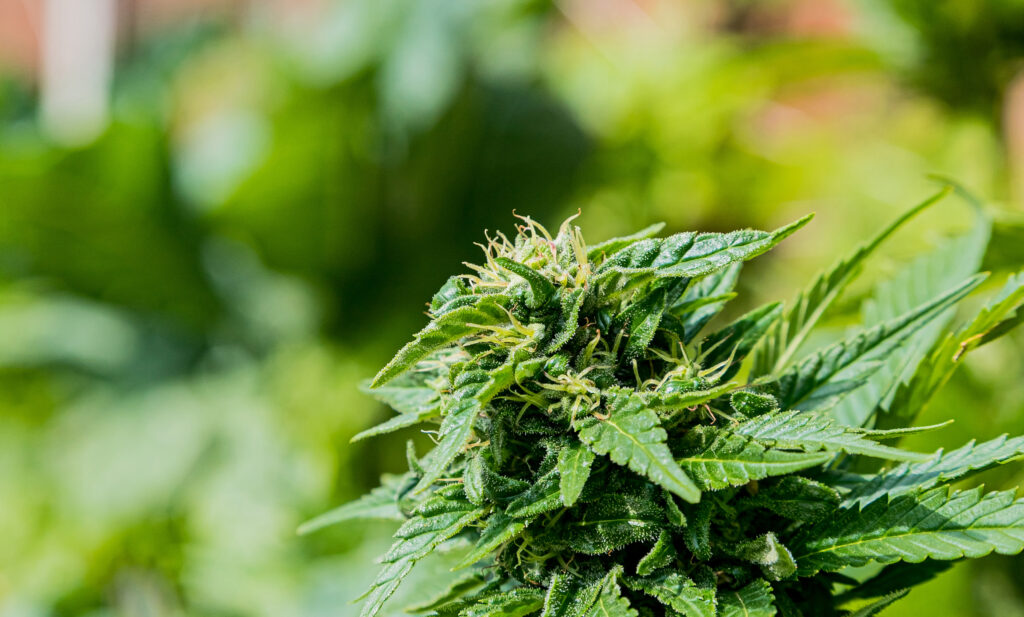
There is a particular anxiety that grips new cannabis growers somewhere around week three or four of vegetative growth. You are staring at your plants, everything looks healthy, and then it hits you: which one of these is actually going to produce flower? Which ones are males that will ruin everything if you do not catch them in time? When exactly are you supposed to know?
If that is you right now, take a breath. Cannabis plants follow a predictable, readable timeline for revealing sex, and once you know what to look for, identifying gender becomes a routine part of daily plant management rather than an anxious guessing game.
Cannabis Is a Dioecious Plant (Mostly)
Cannabis is what botanists call a dioecious plant, meaning individual plants express as either male or female in their natural reproductive state. This is different from most plants you might grow in a garden, which are monoecious (having both male and female reproductive structures on the same plant) or hermaphroditic by nature.
For cannabis cultivation, this dioecious nature creates both a challenge and an opportunity. The challenge: if you are growing from regular (non-feminized) seeds, roughly half your plants will be male and will not produce the cannabinoid-rich flower you are growing for. The opportunity: by identifying and removing males early, you prevent unwanted pollination and allow females to redirect all their energy into producing dense, unfertilized (sinsemilla) flower. Understanding this dynamic is foundational to productive cannabis cultivation across all cannabis growth stages.
When Do Cannabis Plants Show Pre-Flowers?
Here is the timeline that matters: cannabis plants begin showing what are called pre-flowers between the 4th and 6th nodes on the main stem, typically appearing 3 to 6 weeks after germination. Pre-flowers are the first sex indicators, and they appear during vegetative growth under long light cycles (18 hours of light), well before you initiate the flowering light cycle.
This is important and often misunderstood. You do not have to wait until you switch to 12/12 to identify plant sex. Pre-flowers tell you exactly what you are working with while plants are still in vegetative growth, giving you the opportunity to remove males before they ever have a chance to develop pollen sacs.
The node location matters: look at the junction between the main stem and branch on the 4th, 5th, and 6th nodes up from the base of the plant. This is where pre-flowers emerge, not at the growing tips.
What Do Female Pre-Flowers Look Like?
Female pre-flowers are small, V-shaped structures with two wispy, hair-like pistils emerging from them. These pistils (also called stigmas) are typically white, cream, or occasionally pale pink in color. They look like a tiny pair of hairs protruding from a slightly swollen node structure.
The calyx (the small teardrop-shaped structure the pistils emerge from) is another indicator. Female calyxes tend to be elongated and tapered, often sitting on a small stalk above the node. If you see that distinctive elongated shape with two white hairs emerging from it, you have a female plant.
These same pistils are what eventually become covered in trichomes and form the basis of cannabis flower. Understanding the cannabis bud structure from the beginning of flower development makes this progression much easier to track and appreciate.
What Do Male Pre-Flowers Look Like?
Male pre-flowers look distinctly different: they are round, smooth, egg-shaped or grape-like pollen sacs on small stalks. Unlike the elongated, pistil-bearing female calyxes, male pre-flowers have a rounded, closed structure with no hair-like protrusions.
In early development, before the pollen sacs fully form, male pre-flowers can be slightly ambiguous. The key distinguishing features are:
- Round rather than tapered shape
- Smooth surface, no visible hairs
- Often appearing in small clusters rather than singly
- Sitting directly at the node without the elongated stalk typical of female pre-flowers
As males mature, the pollen sacs develop clearly, cluster together into what looks like a small bunch of green grapes, and eventually split open to release pollen. By the time you can clearly see pollen sacs, you have already waited longer than you should have. Early identification and removal is the goal.
Other Physical Clues for Early Sex Identification
Pre-flowers are the most reliable early indicator, but experienced growers learn to read other physical characteristics that can suggest sex before pre-flowers are fully legible:
Stem Thickness
Male cannabis plants typically develop thicker, more robust main stems relative to their height compared to females of the same age and genetics. This is not a reliable standalone indicator, but when combined with other observations, stem thickness can contribute to an educated guess early in vegetative growth.
Height and Branching Pattern
Males tend to grow taller and faster in early vegetative growth, with tighter node spacing initially that then stretches as they mature. Females tend to be shorter and bushier with more branching. Again, this is a tendency rather than a rule, and strain variation significantly affects these patterns. Tall and stretchy is not reliable evidence of maleness on its own.
Leaf Density
Females generally develop more leaves and more complex leaf structures in vegetative growth. Males tend to have somewhat fewer leaves with a slightly more open structure. Like the other physical clues, this is a supporting observation rather than a definitive diagnosis.
The honest truth about these physical clues: they can help you narrow down suspicions, but do not act on them without confirming with actual pre-flower examination. Killing a plant based on its height is how you end up removing females by mistake.
When Pollen Release Happens: The Clock Is Ticking
Once a male cannabis plant initiates flowering, either naturally under a 12/12 light cycle or in response to maturity signals, pollen sac development accelerates significantly. Male plants typically release pollen four to five weeks after flowering is initiated, at which point the visual differences between males and females become obvious to even inexperienced growers because pollen sacs are clearly visible and developing.
The problem: by week five of flowering, pollen release is imminent or already happening. Even a small amount of released pollen can pollinate every female plant in the grow space, producing seeds throughout the crop and dramatically reducing flower quality and cannabinoid concentration in the affected buds. Pollinated buds redirect energy from resin and cannabinoid production to seed development, which is exactly what you do not want for sinsemilla (seedless) production.
This is why identifying males during vegetative growth via pre-flowers is so strategically important. It gives you a 4 to 6 week buffer between identification and any possible pollen threat.
DNA Testing: The Fastest Method for Sex Identification
For commercial and serious hobbyist growers who want certainty faster than pre-flower development allows, DNA-based sex testing is now widely available and genuinely accessible.
Molecular tests like the FemINDICAtor qPCR assay can detect the presence of a Y chromosome in cannabis leaf tissue as early as one week after germination. This is weeks earlier than any visual method and provides a definitive answer rather than an educated guess based on physical characteristics.
The economics are reasonable: in-house testing using a qPCR machine costs under $5 per sample, while commercial laboratory services run $10 to $15 per plant. For commercial operations growing thousands of plants, even at $10 per sample, early sex identification via DNA testing can pay for itself many times over by eliminating the resources (nutrients, media, space, labor) invested in plants that would eventually be culled as males after weeks of vegetative growth.
For smaller home grows, the cost per plant is harder to justify unless you have access to testing equipment through other means, and visual pre-flower identification remains perfectly adequate for most situations.
Feminized Seeds: Skipping the Sex Question Entirely
The most straightforward solution to sex identification anxiety is to use feminized seeds, which are bred to produce female plants with extremely high consistency (typically 99% or higher female rates from reputable breeders).
Feminized seeds are produced through a process of inducing female plants to develop male pollen sacs (hermaphroditism under controlled stress) and then using that pollen to fertilize other females. Because no Y-chromosome genetics are involved in the cross, the resulting seeds contain only X chromosomes and develop as females.
The trade-off is cost and potential hermaphrodite risk. Feminized seeds are more expensive than regular seeds. There is also a long-standing debate in the cannabis cultivation community about whether feminized seed lines carry a higher inherent tendency toward hermaphroditism under stress, though rigorous scientific evidence for this claim remains limited. My view: from a reputable breeder producing stable genetics, feminized seeds are excellent and the hermaphrodite risk from quality sources is not meaningfully higher than from stable regular seed lines. Buy from established, reputable breeders and you will be fine.
What to Do When You Find a Male
When you identify a male plant, act immediately. Remove it from the grow space entirely, ideally placing it in a sealed bag before moving it to prevent accidental pollen release during transport. Do not leave identified males in place while you “think about it” or “wait to see.” Waiting costs you nothing but creates risk. Remove it cleanly and move on.
Males are not entirely without value if you have specific interests:
- Breeding programs: male plants are essential for producing seeds and cross-pollinating female plants to create new genetics
- Hemp fiber or biomass production: male hemp plants produce usable fiber, though females are typically preferred for quality
- Juicing or cooking: raw cannabis leaves from males contain cannabinoid acids without psychoactive effects and can be used in raw consumption
For the vast majority of home and commercial cultivators focused on producing flower, males are removed and composted or discarded. There is no shame in that. It is simply rational resource management.
Hermaphrodites: The Third Complication
Beyond straightforward males and females, cannabis can also develop as hermaphrodites: genetic females that develop male pollen sac structures (staminate flowers) within their buds under stress conditions or due to genetic predisposition. Hermaphrodite plants are covered in more detail separately, but it is worth flagging here that hermaphroditism is distinct from being male. A hermaphrodite plant shows female flowers alongside male pollen sac development, typically emerging as elongated, banana-shaped anthers within bud tissue.
This distinction matters for management: a true male is removed during vegetative growth. A hermaphrodite is typically not identified until flowering and requires different handling. Understanding both scenarios gives you a complete picture of how cannabis development can diverge from the expected female phenotype.
Final Thoughts
Identifying cannabis plant sex is a fundamental skill that every grower should develop, regardless of whether they use regular or feminized seeds. The pre-flower timeline (weeks 3 to 6 of vegetative growth, at nodes 4 through 6) is your primary diagnostic window. Learn to read female pistils versus male pollen sacs, confirm your observations before acting, and remove males immediately upon identification.
With regular seeds, budget for approximately half your plants to be male and plan your space and resources accordingly. With feminized seeds, sex identification becomes a verification practice rather than a culling exercise, which simplifies the grow considerably. Either way, the underlying knowledge of how cannabis sexing works makes you a more informed and more confident grower, and that confidence pays dividends across every grow you run.