




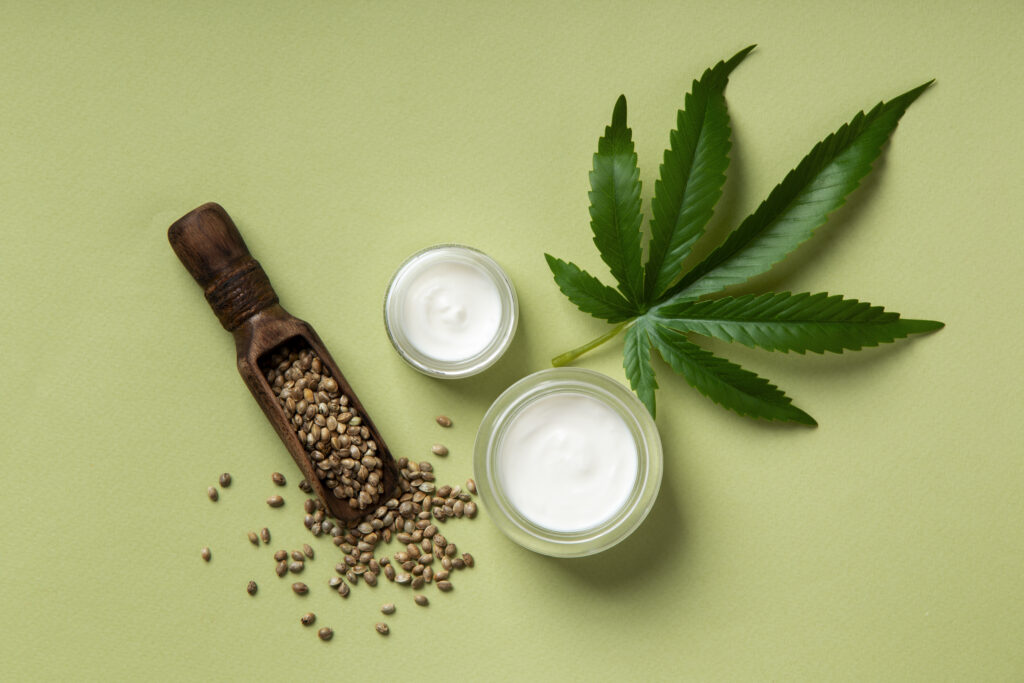
Ever wonder why two cannabis strains with identical Tetrahydrocannabinol (THC) percentages produce completely different experiences? The answer lies in terpenes, the natural compounds responsible for cannabis flavor profiles and aroma. These plant compounds do far more than create distinctive scents; they actively shape how cannabis affects your body and mind.
Terpenes explained: Scientists have identified over 150 distinct terpenes in cannabis, each contributing unique characteristics to your experience. Research from Johns Hopkins University and the University of Colorado reveals that specific terpene–cannabinoid interactions can modulate effects significantly a topic explored in depth in this guide on terpenes in cannabinoids. For instance, THC combined with limonene has been shown to reduce anxiety compared to THC alone, and you can learn more about this terpene in the limonene effects guide.
This phenomenon explains why identical THC concentrations deliver different results. Terpenes influence cannabinoid bioavailability and interact with the blood-brain barrier, fundamentally altering how compounds reach their targets. Understanding terpene profiles transforms cannabis selection from guesswork into a data-driven decision. Whether you’re seeking specific effects or exploring flavor complexity, terpenes explained becomes your roadmap to personalized cannabis experiences.
What Are Cannabis Terpenes? Breaking Down the Basics
The terpenes of focus here are organic compounds produced in the glandular trichomes of cannabis plants those crystalline structures visible on flower surfaces. These natural compounds form the foundation of cannabis aromatic profiles while playing active roles in plant chemistry and therapeutic potential.
At the molecular level, terpenes consist of isoprene units, five-carbon building blocks that connect in various patterns. Monoterpenes contain two isoprene units (10 carbons), while sesquiterpenes contain three units (15 carbons). This structural diversity creates the vast array of aromatic profiles found across different cannabis cultivars.
Cannabis shares many terpenes with other plant species. Pinene appears in cannabis at concentrations between 0.1% and 1.2%. Linalool contributes calming characteristics to specific strains. Limonene, abundant in citrus fruits, appears in cannabis varieties with bright, energizing profiles — see the full breakdown of limonene terpene effects.
This overlap explains why certain cannabis strains remind you of familiar scents—they literally contain the same molecular compounds. However, cannabis produces unique terpene combinations and concentrations that distinguish it from other botanical sources.
The entourage effect emerges when terpenes interact with cannabinoids, creating synergistic results beyond isolated compounds. You can explore the science behind these interactions in this resource on terpenes in cannabinoids. Understanding this plant chemistry transforms how researchers and consumers approach cannabis selection.
The Entourage Effect: How Terpenes Work With Cannabinoids
When terpenes and cannabinoids combine, they produce synergistic outcomes that exceed what isolated compounds deliver independently. This biological mechanism, termed the entourage effect, explains why whole-plant cannabis extracts often outperform single-molecule formulations.
Research demonstrates how specific terpene–cannabinoid pairings modify neurological responses at the cellular level — a concept explored in more detail in the guide on terpenes in cannabinoids. Myrcene enhances THC’s sedative characteristics. Beta-caryophyllene activates CB2 receptors. Pinene counteracts THC-induced memory impairment. Linalool paired with CBD produces enhanced calming effects.
The practical implications reshape strain selection strategies. Rather than focusing exclusively on cannabinoid percentages, informed consumers examine complete chemical profiles. Understanding these compound interactions enables predictable, personalized cannabis experiences.
The Essential Terpene Chart: 15 Most Common Cannabis Terpenes
Scientific analysis has identified over 150 distinct terpenes in cannabis, but 15 dominate most strain profiles.
Myrcene — Earthy aromatics; enhances cannabinoid permeability.
Limonene — Citrus notes, uplifting effects, stress reduction. Learn more in the full limonene terpene guide.
Beta-Caryophyllene — Peppery, woody, CB2 receptor activation.
Pinene — Pine, rosemary aromatics, supports memory retention.
Linalool — Floral, calming, enhances CBD anxiolytic effects.
Humulene — Earthy, known for appetite suppression.
Terpinolene, Ocimene, Valencene, Geraniol, Bisabolol, Camphene, Borneol, Eucalyptol, Nerolidol — Each contributing unique aromatic and physiological characteristics.
Understanding these cannabis terpene profiles transforms selection from random experimentation into informed decision-making.
How to Read Terpene Profiles and COAs
Certificates of Analysis (COAs) provide laboratory-verified terpene and cannabinoid breakdowns. Total terpene content between 2–4% indicates strong aromatic potential.
Individual terpene percentages reveal dominance patterns:
- Myrcene above 0.5% → sedative
- Limonene above 0.3% → uplifting (explore limonene effects)
Cross-referencing terpene data with cannabinoid percentages reveals entourage interactions — see the science behind these effects in this guide on terpenes in cannabinoids
Terpenes Beyond Cannabis: Applications and Innovations
Modern extraction and formulation technologies now preserve full-spectrum cannabis terpene compositions with greater precision.
Live-derived extraction captures terpene complexity. Reintroduction methods restore signature profiles to distillates. Botanical terpene blending provides scalable, cost-effective solutions.
Storage innovations like nitrogen flushing and UV-protective packaging help preserve terpene integrity.
Lesser-Known Terpenes Worth Exploring
Phytol, guaiol, cedrene, valencene, and nerolidol contribute nuanced aromatic and therapeutic properties across limited cultivars.
Some of these compounds interact with cannabinoids and influence absorption pathways see the broader chemical relationship between terpenes and cannabinoids.
Your Next Steps in Understanding Cannabis Terpenes
Now that we have terpenes to inform cannabis chemistry beyond basic cannabinoid percentages, you possess the framework for informed cannabis selection.
Notice how myrcene-rich profiles differ from limonene-dominant cultivars — see the full breakdown of limonene terpene effects. Begin examining COAs, track your personal responses, and explore the rich diversity of cannabis terpenes shaping the cannabis experience.