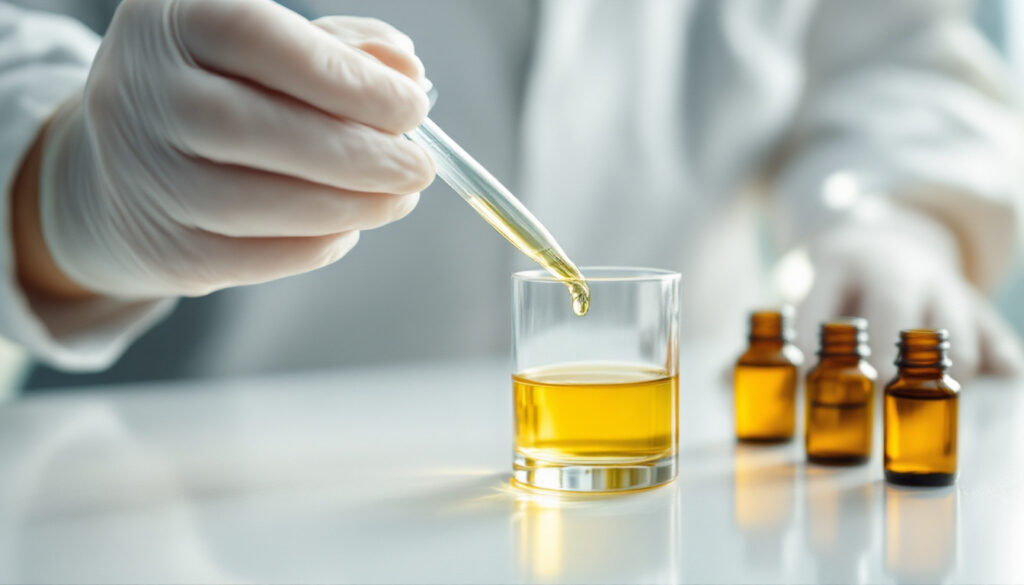




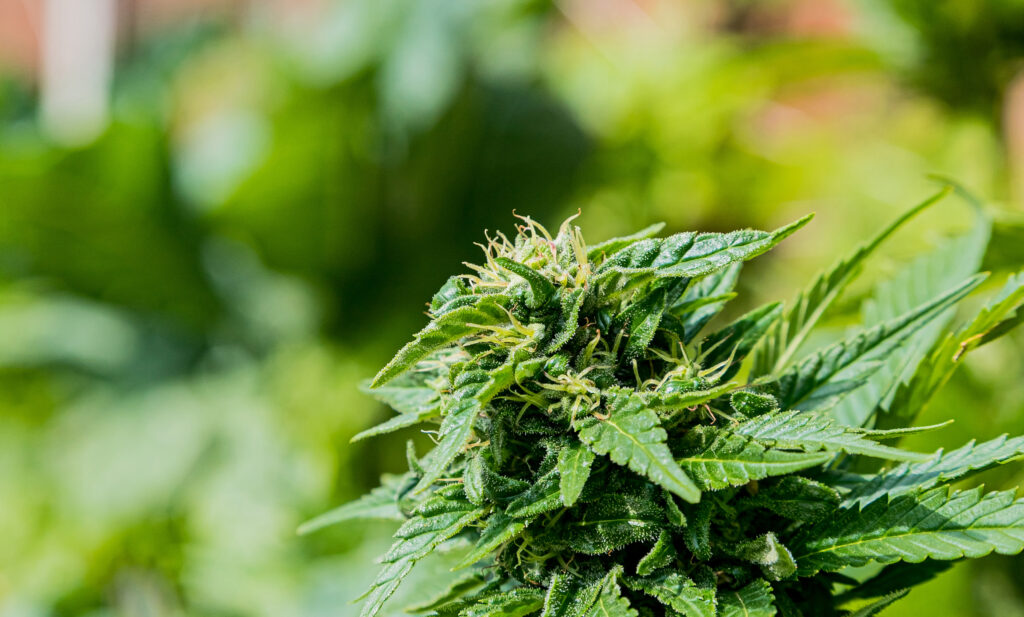
Your certificate of analysis lists numbers, but those lab results tell only half the story. Cannabis contains over 500 identified compounds – 125 cannabinoids and hundreds of terpenes – all working through your endocannabinoid system in ways scientists are still mapping. The terpenes vs cannabinoids debate misses the point entirely. Recent 2025 research validates what users have known for years: full-spectrum profiles preserving both compound classes deliver effects no isolate can match. That’s why your vape tastes artificial when terpenes are stripped out, and why indica vs sativa labels fail to predict your experience. Your terpene profile determines whether you get mood support, inflammation relief, or respiratory irritation from the same THC percentage. World of Terpenes focuses on this synergy – where plant aroma meets science – because understanding compound interactions matters more than chasing the highest cannabinoid numbers on your product label.
Understanding Cannabinoids: The Primary Drivers
Cannabinoids are chemical compounds synthesized in cannabis trichomes that bind directly to receptors throughout your body. Unlike terpenes that influence receptor behavior indirectly, cannabinoids act as keys fitting specific locks in your endocannabinoid system – a regulatory network controlling everything from pain signaling to immune response. Your body produces its own endocannabinoids like anandamide and 2-AG, which maintain homeostasis through on-demand production and enzymatic breakdown.
Plant-derived cannabinoids interact with two primary receptor types. Cannabinoid Receptor Type 1 (CB1) concentrates in your central nervous system, modulating neurotransmission and pain perception. Cannabinoid Receptor Type 2 (CB2) populates immune tissues, regulating inflammation and immune cell migration. Tetrahydrocannabinol (THC) binds CB1 receptors to produce psychoactive effects and pain modulation. Cannabidiol (CBD) works differently – it acts as a CB2 inverse agonist and negative allosteric modulator of CB1, while inhibiting FAAH enzymes to prolong your natural anandamide signaling.
Cannabigerol (CBG) demonstrates antibacterial and analgesic properties through distinct receptor pathways. Cannabinol (CBN), a THC degradation product, offers sedative potential at higher concentrations. Recent 2024 research on CBD inhalation and receptor mechanisms reveals biological responses vary significantly based on delivery method and dose.
The cannabinoids and terpenes benefits you experience depend on how these compounds interact together. World of Terpenes emphasizes this relationship because checking only cannabinoid percentages on your certificate of analysis ignores the terpenes and cannabinoids working alongside them. Your body’s response to any cannabis product reflects this complete chemical conversation, not isolated compound activity.
Terpenes Explained: Beyond Aroma and Flavor
Terpenes are volatile aromatic compounds that plants produce for defense, pollinator attraction, and environmental adaptation. Cannabis synthesizes these molecules in the same trichomes that manufacture cannabinoids, but terpenes follow a different biosynthesis pathway through the mevalonate and methylerythritol phosphate routes. You smell that distinctive cannabis aroma because terpenes evaporate readily at room temperature, creating the sensory signature that distinguishes one product from another.
Myrcene dominates most cannabis profiles and determines whether you experience sedation or energy. Strains containing more than 0.5% myrcene produce relaxing effects, while lower concentrations shift toward alertness. Limonene brings citrus notes alongside mood support through serotonin pathway modulation. Pinene exists as two mirror-image molecules – alpha and beta forms – both offering respiratory health benefits and potential inflammation relief through inhibition of inflammatory signaling pathways. Research on α-pinene demonstrates anti-inflammatory effects by suppressing key inflammatory markers in cellular studies. Linalool provides floral aromatics with sedative properties, while caryophyllene uniquely activates CB2 receptors like a cannabinoid despite being classified as a terpene.
Your terpene profile shapes effects independently of cannabinoid content, which explains why two products with identical THC percentages produce different experiences. World of Terpenes emphasizes this distinction because authentic flavor and therapeutic potential both depend on preserving these natural compounds. When you compare lab results, check terpene charts alongside cannabinoid percentages to predict your actual experience with any cannabis product.
Terpenes vs Cannabinoids: Key Differences Compared
When you compare terpenes vs cannabinoids, you’re examining two distinct compound classes with fundamentally different molecular structures and biological interactions. Cannabinoids belong to a specialized group of terpene phenolic compounds, meaning they share some structural features with terpenes but contain additional phenolic rings that enable direct receptor binding. Terpenes remain purely hydrocarbon-based aromatics without these binding capabilities.
| Feature | Cannabinoids | Terpenes |
| Chemical Structure | Terpene phenolic compounds with 21-carbon skeleton | Volatile hydrocarbons (isoprene units) |
| Mechanism | Direct CB1/CB2 receptor binding | Indirect modulation via TRP channels, GPR55 |
| Primary Effects | Psychoactivity, pain signaling, immune regulation | Mood support, inflammation relief, respiratory health |
| Biosynthesis | Trichome production via cannabigerolic acid pathway | Mevalonate and methylerythritol phosphate routes |
| Legal Status (2026) | Schedule III (cannabis), legal if hemp-derived (≤0.3% THC) | Federally legal across all sources |
The mechanism of action separates these compounds more than structure does. While cannabinoids function as receptor agonists or antagonists at CB1 and CB2 sites, terpenes work through neurotransmitter receptors, inflammatory pathways, and oxidative stress mechanisms. Clinical studies registered in 2025 now assess analgesic effects of terpenes administered alone versus combined with THC, recognizing their independent therapeutic potential beyond simple aroma enhancement.
Your certificate of analysis should reflect both compound classes because effects depend on their synergistic interaction. A high-THC product with degraded terpenes delivers different results than one preserving its complete terpene profile. This explains why indica vs sativa classifications based solely on cannabinoid ratios fail to predict user experience consistently. World of Terpenes addresses this gap by prioritizing complete chemical profiles that honor both cannabinoid potency and authentic aromatic preservation.
The 2025 cannabis rescheduling to Schedule III changes cannabinoid legal status while leaving terpenes unregulated, creating new opportunities for terpene-focused formulations that deliver therapeutic benefits without controlled substance complications.
The Entourage Effect: When Terpenes and Cannabinoids Work Together
The terpenes and cannabinoids synergistic effect describes how these compounds amplify each other’s therapeutic potential when consumed together rather than in isolation. Research published in the British Journal of Pharmacology demonstrates that phytocannabinoid-terpenoid interactions create pharmacological synergy at the receptor level, enhancing outcomes for chronic pain, epilepsy, and anxiety beyond what single compounds achieve alone.
Myrcene provides the clearest example of this interaction. When present alongside THC, myrcene enhances sedative and analgesic properties by increasing cell membrane permeability, allowing cannabinoids to cross the blood-brain barrier more efficiently. Limonene modulates serotonin pathways independently but amplifies CBD’s anxiolytic effects when combined, creating mood support that neither compound delivers as effectively alone. Pinene counteracts THC-induced memory impairment while maintaining analgesic benefits, demonstrating how terpenes modify cannabinoid activity without eliminating desired effects.
These terpenes and cannabinoids effects work through multiple mechanisms. While cannabinoids occupy CB1 and CB2 receptors, terpenes influence receptor sensitivity, neurotransmitter release, and inflammatory pathways simultaneously. This multi-target approach explains why full-spectrum products preserving natural terpene profiles consistently outperform isolates in clinical applications for neurological disorders including Parkinson’s, Alzheimer’s, and multiple sclerosis.
World of Terpenes emphasizes authentic profiles because the synergistic relationship depends on preserving ratios found in source material. When you review essential cannabis terpenes on your certificate of analysis, you’re seeing the compounds that determine whether cannabinoids deliver their full therapeutic potential or fall short of expected results.
Targeting Specific Effects: Which Compounds Matter Most
Your desired outcome determines which compounds deserve attention on your certificate of analysis. While previous sections covered mechanisms, this section translates that knowledge into practical formulation strategies backed by 2024-2025 clinical data.
| Target Effect | Primary Cannabinoid | Supporting Terpenes | Optimal Ratio Insight |
| Anxiety Relief | CBD (10-50mg) | Limonene, linalool | Vaporized limonene reduces THC-induced anxiety (Studerus 2024); CBD-rich strains at 5:2 or 20:1 CBD:THC ratios for anxiety-prone users |
| Sleep Formula | CBN (10mg/kg) | Myrcene, linalool | CBN increases non-REM and REM duration while decreasing wakefulness in preclinical studies; CBD improved sleep quality in 66.7% of 103 insomnia patients |
| Inflammation Relief | CBD (variable) | Pinene, caryophyllene | Alpha-pinene suppresses inflammatory markers; caryophyllene activates CB2 receptors for immune modulation |
| Pain Management | THC + CBD | Myrcene, caryophyllene | Ongoing clinical trials assess analgesic effects of terpenes alone versus combined with THC; myrcene enhances THC’s analgesic properties |
| Focus Enhancement | Low-dose THC or CBD | Pinene | Pinene counteracts THC-induced memory impairment while maintaining therapeutic benefits through bronchodilator action |
When evaluating terpenes vs cannabinoids for anxiety, recognize that compound interaction matters more than concentration alone. A 2024 clinical trial demonstrated CBD reduced anxiety in 79.2% of participants, but combining CBD with limonene and linalool produced superior mood support through complementary serotonin pathway modulation.
Your sleep formula requires attention to both CBN content and myrcene percentage. Products containing CBD flowers with CBN and myrcene deliver better results through the entourage effect than isolated CBN, explaining why lab results showing individual compound levels miss the synergistic picture.
World of Terpenes prioritizes these evidence-based combinations because terpene profiles determine whether cannabinoid percentages translate into your intended experience. The difference between effective inflammation relief and minimal response often depends on preserving pinene and caryophyllene alongside CBD, not simply increasing cannabinoid concentration.
How to Read Cannabis Lab Results and Certificates of Analysis
Step 1: Verify Laboratory Accreditation and Testing Standards
Start by confirming your certificate of analysis comes from an accredited laboratory following current regulatory standards. California’s 2025 academic research grants fund regulatory templates for consumer safety and standardized lab testing protocols, addressing inconsistencies in unregulated markets. Check for ISO 17025 accreditation marks and state compliance stamps that validate testing integrity. Colorado’s recent 2026 recalls highlight why verification matters – four cannabis batches initially passed testing but later failed for banned pesticide chlorfenapyr, triggering the state’s first recall on January 8. Legitimate COAs display batch numbers, testing dates, and clear pass/fail indicators for pesticides, heavy metals, residual solvents, and microbial contaminants alongside cannabinoid and terpene results.
Step 2: Analyze Cannabinoid Percentages and Ratios
Locate the cannabinoid panel showing THC, CBD, CBG, and CBN concentrations by mass percentage. Cannabis flower typically contains cannabinoids at 15-30% by mass, with total THC calculated from THCA conversion after decarboxylation. Compare ratios rather than chasing maximum potency – your desired effect depends on compound balance. A 20:1 CBD:THC ratio delivers anxiety relief without psychoactivity, while 1:1 ratios suit balanced mood support. Note that first extraction recovers 85-100% of cannabinoids from plant material, meaning lab results reflect actual bioavailable content when testing methods follow validated protocols.
Step 3: Decode Terpene Profiles for Strain Selection
Examine the terpene section showing individual compound percentages. World of Terpenes emphasizes this data because your experience depends more on terpene composition than indica vs sativa labels. Reference a terpene chart to identify dominant compounds like myrcene, limonene, pinene, and caryophyllene for accurate effect prediction.
2026 Updates: Latest Research and Regulatory Changes
- UCLA Terpene Validation Study – A $1.2 million grant-funded project launching in early 2026 will establish the first validated reference standards for cannabis terpenes and flavor compounds. Led by Ziva Cooper in collaboration with UC-Davis, this research addresses a critical gap in regulatory science by creating standardized testing protocols for cannabinoid-terpene interactions in commercial products. World of Terpenes tracks these developments because validated standards will transform how you evaluate certificate of analysis data.
- Clinical Trials on Terpene Analgesia – UCLA researchers are now assessing whether terpenes alone provide pain relief comparable to THC combinations. This 2026 clinical trial directly tests whether your terpene profile delivers therapeutic benefits independent of cannabinoid content, validating user reports that effects vary beyond THC percentages.
- Schedule III Rescheduling Advances – The DEA’s proposed cannabis rescheduling from Schedule I to Schedule III remains pending as of December 2025, with final action expected in 2026. This regulatory shift would maintain terpene legality while easing cannabinoid research restrictions, enabling more rigorous studies on terpenes vs cannabinoids for targeted applications.
Storage, Degradation, and Preserving Your Cannabis Compounds
- Temperature Control Prevents Terpene Evaporation – Store cannabis products at 4°C (refrigeration temperature) to minimize volatile compound loss. Industry testing reveals poor storage conditions cause up to 40% terpene degradation within seven days, destroying the authentic flavor profiles and therapeutic potential you purchased. Controlled environmental studies maintain cannabinoid stability at 21°C, but terpenes require colder conditions due to their volatile hydrocarbon structure that evaporates at room temperature.
- Minimize Headspace in Sealed Containers – Use airtight glass containers filled to capacity, eliminating air exposure that accelerates oxidation of both your terpene profile and cannabinoid content. Cannabis concentrates preserve potency longer under refrigeration compared to room temperature storage, with laboratory data confirming reduced degradation in sealed environments versus open air.
- Darkness Protects Photosensitive Compounds – Light exposure degrades THC into CBN while oxidizing terpenes, altering your product’s effects over time. Store containers in dark locations or opaque packaging that blocks UV penetration, preserving the synergistic relationships between compounds your certificate of analysis documented at purchase.
- Humidity Discipline Maintains Product Integrity – Precise humidity control at 55-62% relative humidity prevents mold growth without desiccating plant material. World of Terpenes emphasizes microclimate management because moisture imbalance degrades both aromatic compounds and cannabinoid stability, compromising the entourage effect you depend on for consistent therapeutic outcomes.
Finding Your Perfect Cannabinoid-Terpene Balance
Your ideal cannabinoid-terpene balance requires experimentation guided by lab data, not guesswork. Start with your certificate of analysis – identify cannabinoid ratios that match your therapeutic goal, then examine which terpenes amplify those effects through the entourage effect. Anxiety relief responds to CBD-dominant ratios paired with limonene and linalool, while pain management benefits from THC-myrcene combinations that enhance analgesic properties.
Recent clinical protocols emphasize personalized dosing plans with gradual titration, recognizing that your optimal balance depends on individual endocannabinoid system responses. Track how different terpene profiles modify your experience at consistent cannabinoid doses – this reveals whether myrcene sedates you or pinene maintains focus alongside THC.
World of Terpenes will provide strain profiling resources to match specific terpene-cannabinoid combinations with your therapeutic needs. Your perfect balance emerges from systematic testing, documented results, and attention to complete chemical profiles rather than isolated compound percentages.