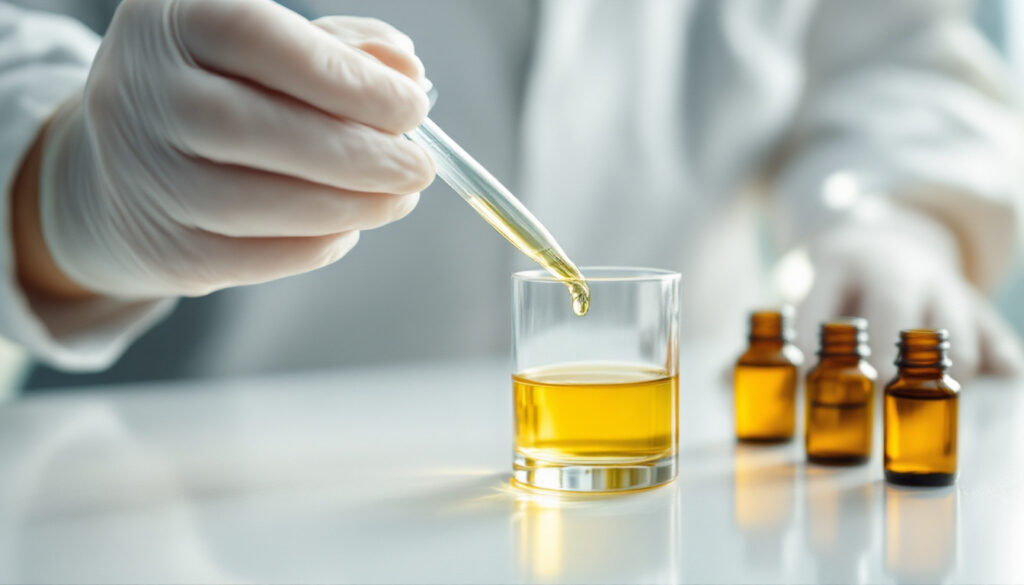





The plant extracts market hit USD 44.42 billion in 2024, and that growth reflects something deeper than consumer trends. People are moving away from synthetic solutions toward natural remedies that address chronic pain, anxiety relief, and sleep aid needs with fewer side effects. You’ve likely noticed this shift yourself – essential oils in your local pharmacy, herbal teas marketed for stress management, dietary supplements featuring plant-based ingredients.
At the center of this wellness revolution are therapeutic terpenes, the aromatic compounds responsible for the scent of pine forests and citrus peels. These plant compounds function as more than fragrance molecules. Clinical research shows they act as chain-breaking antioxidants, inhibit inflammation through the NF-κB pathway, and modulate your body’s biological activity in measurable ways. Where plant aroma meets science, therapeutic terpenes offer targeted support for specific wellness goals – from managing inflammation to promoting relaxation.
World of Terpenes focuses specifically on this intersection of terpene wellness benefits and scientific evidence, helping you understand how these phytochemicals work beyond generic aromatherapy applications. The key lies in knowing which terpenes provide the most reliable therapeutic potential based on actual research data.
What Is the Mother of All Terpenes?
Isoprene stands as the foundational building block for every terpene you encounter in nature. This simple five-carbon molecule (C5H8) links together like biological Lego pieces to create the diverse aromatic compounds found in essential oils, herbal teas, and dietary supplements you use for anxiety relief and stress management.
Think of isoprene as the alphabet from which nature writes complex aromatic sentences. When two isoprene units combine, they form monoterpenes like Limonene and Pinene – the compounds responsible for citrus and pine scents. Three units create sesquiterpenes such as Beta-Caryophyllene, while four build diterpenes. This structural framework defines all terpene chemistry, making isoprene the literal mother of therapeutic and medicinal uses of terpenes.
Your body recognizes these isoprene-based structures through the endocannabinoid system, particularly CB2 receptors that respond to certain terpenes without psychoactive effects. This interaction explains why specific terpenes provide targeted support for chronic pain, sleep aid needs, and inflammation – they fit into your biological pathways like keys into locks. World of Terpenes focuses on translating this molecular foundation into practical wellness applications, connecting the chemistry of isoprene units to measurable therapeutic potential you can access through various delivery methods from topical applications to inhalation.
The 5 Most Effective Therapeutic Terpenes for Wellness
Scientific evidence points to five terpenes that consistently demonstrate measurable therapeutic potential across multiple clinical pathways. Each offers distinct biological activity backed by research from institutions like the National Center for Biotechnology Information, which maintains extensive databases on phytochemical studies.
1. Beta-Caryophyllene – The Selective Anti-Inflammatory Agent
This sesquiterpene binds directly to CB2 receptors without psychoactive effects, making it unique among therapeutic terpenes. Research demonstrates its capacity to inhibit proinflammatory pathways through NF-κB suppression, providing targeted support for chronic pain and inflammation. You’ll find Beta-Caryophyllene in black pepper essential oils and clove extracts. For anxiety relief, studies suggest aromatherapy applications at 2-3% dilution in carrier oils, applied topically twice daily. Inhalation methods show faster onset but shorter duration compared to oral delivery through dietary supplements.
2. Linalool – The Neuroprotective Sedative
Linalool modulates serotonin receptors and reduces neuroinflammation through oxidative stress pathways. Clinical data shows particular efficacy for sleep aid applications and stress management, with some studies indicating anticonvulsant properties. Lavender and coriander serve as primary natural sources. Recommended dosing for sleep support ranges from 100-200mg orally one hour before bed, or 5-10 drops of diluted essential oil in a diffuser. Topical application requires 1-2% concentration to avoid skin sensitivity.
3. Limonene – The Mood-Enhancing Immunomodulator
This monoterpene demonstrates dual action on mood regulation and immune function. Research confirms its ability to boost natural killer cell activity while providing selective toxicity to cancer cells without harming healthy tissue. Citrus peels contain the highest concentrations. For anxiety relief, inhalation shows rapid effects within 15 minutes. Oral consumption through citrus-infused herbal teas provides sustained release over 4-6 hours. World of Terpenes emphasizes understanding these limonene terpene effects for optimal therapeutic outcomes.
4. Pinene – The Bronchodilator and Cognitive Enhancer
Alpha-Pinene and Beta-Pinene isomers both support respiratory function and memory retention through acetylcholinesterase inhibition. Forest bathing studies attribute health benefits partially to inhaled Pinene from coniferous trees. Pine needle and rosemary essential oils offer concentrated sources. For respiratory support, steam inhalation with 3-5 drops shows bronchodilating effects. Cognitive applications benefit from diffusion at 0.5-1% room concentration during focus-intensive tasks.
5. Myrcene – The Sedative Muscle Relaxant
Myrcene enhances the permeability of cell membranes, potentially amplifying the effects of other bioactive components through what researchers call the entourage effect. It provides robust support for chronic pain and sleep aid needs through GABA receptor modulation. Mango, lemongrass, and hops contain significant amounts. Dosage for pain management typically ranges from 20-40mg orally, combined with topical application of 2-3% concentration on affected areas. Evening use prevents daytime sedation.
| Terpene | Primary Benefit | Optimal Delivery | Typical Dosage |
| Beta-Caryophyllene | Inflammation reduction | Topical/Oral | 2-3% topical, 50-100mg oral |
| Linalool | Sleep support | Inhalation/Oral | 100-200mg oral |
| Limonene | Mood enhancement | Inhalation | 2-4 drops inhaled |
| Pinene | Respiratory function | Inhalation | 3-5 drops steam |
| Myrcene | Pain relief | Topical/Oral | 20-40mg oral, 2-3% topical |
Safety considerations matter as much as efficacy. Start with lower concentrations and monitor your response over 3-5 days before increasing dosage. Pregnant individuals should consult healthcare providers before using concentrated terpene products. These guidelines reflect current research on therapeutic applications, though individual responses vary based on body chemistry and existing health conditions.
What Terpenes Increase Dopamine and Serotonin?
Limonene demonstrates the most direct impact on serotonin pathways among therapeutic terpenes. Research from the National Center for Biotechnology Information shows this citrus-derived compound provides antidepressant and anxiolytic effects through serotonin receptor modulation, making it valuable for mood regulation and anxiety relief. You’ll experience these benefits through inhalation of citrus essential oils or consumption of citrus-infused herbal teas, with effects typically emerging within 15-30 minutes.
Beta-Caryophyllene influences mood indirectly through CB2 receptor activation in your central nervous system. This pathway reduces neuroinflammation that otherwise disrupts neurotransmitter balance, supporting both dopamine and serotonin function without directly binding to these receptors. Clinical studies demonstrate its effectiveness for stress management when combined with other plant-based compounds through the entourage effect – where multiple phytochemicals work synergistically rather than in isolation.
Linalool affects GABAergic pathways and potentially modulates serotonin activity, though research suggests its primary mechanism involves GABA receptor interaction rather than direct serotonin binding. This lavender-derived terpene reduces anxiety and supports sleep quality through these combined pathways. For optimal neurotransmitter support, you need consistent exposure over 2-3 weeks rather than single-dose applications.
The biological activity of these compounds varies significantly based on delivery method. Inhalation provides rapid onset for acute anxiety relief, while oral consumption through dietary supplements offers sustained neurotransmitter support over 4-6 hours. Topical applications show limited direct impact on central nervous system neurotransmitters but may reduce peripheral inflammation that affects mood regulation.
World of Terpenes emphasizes understanding these specific mechanisms because generic aromatherapy applications often overlook the distinct pathways through which different terpenes are known for affecting neurotransmitter systems. Your response to individual terpenes depends on existing neurotransmitter levels, making personalized approaches more effective than standardized protocols.
What Is the Most Effective Terpene?
Effectiveness depends entirely on what you need. Myrcene excels as a sleep aid through GABA receptor activity, while Beta-Caryophyllene targets chronic pain via CB2 receptor binding without psychoactive effects. Limonene lifts mood through serotonin modulation, and Pinene supports respiratory function. No single terpene dominates across all wellness categories.
Match your selection to specific outcomes rather than searching for a universal solution. If you struggle with sleep quality, Myrcene’s sedative properties and membrane permeability enhancement make it your primary candidate. Chronic pain responds best to Beta-Caryophyllene’s anti-inflammatory action through NF-κB pathway suppression, often enhanced when combined with Myrcene through synergistic effects. Anxiety relief typically requires Linalool or Limonene depending on whether you need sedation or energizing mood support.
Delivery method changes effectiveness significantly. Inhalation provides rapid onset within 15 minutes but shorter duration, while oral consumption through dietary supplements sustains effects for 4-6 hours. Topical applications concentrate therapeutic compounds at specific sites for localized chronic pain without systemic circulation.
World of Terpenes helps you navigate these distinctions through strain profiling and educational resources that connect specific terpene concentrations to measurable wellness outcomes. Start with your primary health goal, then select terpenes with clinical evidence supporting that exact biological pathway rather than generic aromatherapy applications.
How to Incorporate Therapeutic Terpenes Into Your Wellness Routine
Step 1: Choose Your Delivery Method Based on Timing Needs
Inhalation through diffusers delivers terpenes to your system within 15 minutes, making it ideal for acute anxiety or sudden stress. Add 3-5 drops of essential oils to a diffuser or personal inhaler. Oral consumption via dietary supplements provides sustained effects over 4-6 hours, better suited for chronic pain or sleep support. Topical applications concentrate therapeutic compounds at specific sites without entering your bloodstream – apply 2-3% diluted essential oils to affected areas twice daily.
Step 2: Start With Research-Backed Dosage Ranges
Begin conservatively and increase gradually over 3-5 days. For sleep aid applications, use 100-200mg Linalool orally one hour before bed. Chronic pain responds to 20-40mg Myrcene combined with topical Beta-Caryophyllene at 2-3% concentration. Anxiety relief benefits from 2-4 drops of Limonene in a personal inhaler. Recent research demonstrates how terpenoids suppress inflammatory pathways through specific molecular mechanisms, informing these evidence-based recommendations.
Step 3: Select Quality Products With Verified Terpene Profiles
Look for third-party lab testing that confirms terpene concentrations and purity. World of Terpenes provides strain profiling tools that connect specific terpene levels to measurable wellness outcomes. Seek products with the most information provided possible. Quality herbal teas should specify terpene content, not just botanical sources. Check for proper dilution ratios in essential oils – undiluted products risk skin sensitivity and require carrier oils for safe topical use. Understanding terpene profiles helps you match products to your specific wellness routine goals.
Safety Guidelines and Potential Interactions
Therapeutic terpenes generally demonstrate favorable safety profiles in clinical research, but proper dosing and awareness of individual sensitivities matter significantly. Concentrated essential oils require dilution to 2-3% in carrier oils before topical application to prevent skin irritation. Undiluted Limonene or Pinene can cause contact dermatitis in sensitive individuals, while oral consumption demands even stricter attention to concentration limits.
Drug interactions deserve particular consideration. Beta-Caryophyllene’s CB2 receptor activity may amplify effects of anti-inflammatory medications, requiring dosage adjustments under medical supervision. Linalool enhances sedative effects when combined with sleep medications or alcohol, potentially causing excessive drowsiness. If you take blood thinners, consult your healthcare provider before using concentrated terpene products, as some compounds affect platelet function. Systematic reviews document gastrointestinal adverse events and other side effects when therapeutic compounds are used improperly, emphasizing the importance of evidence-based dosing.
Pregnant and breastfeeding individuals should avoid concentrated terpene applications beyond culinary amounts found in herbal teas and dietary sources. High-temperature exposure through vaping degrades terpenes into potentially harmful compounds, making lower-temperature methods safer for inhalation. World of Terpenes recommends starting with minimal concentrations and monitoring your response over several days, particularly for immune support and inflammation relief applications where consistent, moderate dosing outperforms sporadic high-dose use.
Your Path to Terpene-Enhanced Wellness
Therapeutic terpenes offer measurable support for chronic pain, anxiety relief, sleep quality, and stress management when matched to your specific wellness needs. The research confirms what personalized cannabis care already demonstrates – individual responses vary based on body chemistry, existing health conditions, and delivery methods. Beta-Caryophyllene targets inflammation, Linalool promotes sleep, Limonene lifts mood, Pinene supports respiratory function, and Myrcene relaxes muscles. Your optimal approach combines evidence-based dosing with consistent application rather than sporadic high-dose use.
World of Terpenes provides strain profiling and educational resources that connect specific terpene concentrations to therapeutic outcomes, helping you move beyond generic aromatherapy applications. Start with your primary health goal, select terpenes with clinical evidence supporting that biological pathway, and monitor your response over several days. The entourage effect means these compounds often function synergistically, amplifying benefits when thoughtfully combined. Where plant aroma meets science, personalized terpene selection transforms natural remedies into targeted wellness strategies backed by research data.