



What Is Terpene Biosynthesis?
Terpene biosynthesis is the natural process plants use to create terpenes. These compounds are responsible for aroma, flavor, and even part of a plant’s defense system.
In cannabis and many other plants, terpenes:
- Attract pollinators
- Repel pests
- Protect against environmental stress
- Contribute to aroma and taste
But how exactly does a plant go from DNA instructions to a fragrant compound like limonene or myrcene?
It all starts with plant genes.
Step 1: Plant Genes Provide the Blueprint
Inside every plant cell is DNA. Certain genes contain instructions for making enzymes specialized proteins that trigger chemical reactions.
For terpene production, plants activate specific genes that produce enzymes called terpene synthases (TPS enzymes). These enzymes are the key drivers of terpene biosynthesis.
Different genes = different enzymes = different terpenes.
That’s why some strains smell citrusy while others smell earthy or floral. If you browse the best cannabis strains to buy in 2026, you’ll notice each strain has a unique terpene profile — and it all starts at the genetic level.
Step 2: Building Blocks Are Created (IPP and DMAPP)
Before terpenes can form, plants must produce basic molecular building blocks:
- IPP (Isopentenyl pyrophosphate)
- DMAPP (Dimethylallyl pyrophosphate)
These molecules are created through two primary pathways:
- The Mevalonate (MVA) Pathway – occurs in the cell cytoplasm
- The MEP Pathway – occurs in plant cell plastids
Both pathways produce IPP and DMAPP, which act like tiny molecular Lego pieces. These pieces combine in different ways to form larger terpene structures.
Step 3: Terpene Synthase Enzymes Do the Magic
Once the building blocks are ready, terpene synthase enzymes take over.
These enzymes:
- Combine IPP and DMAPP into longer chains
- Fold and rearrange the molecules
- Create specific terpene structures
For example:
- Limonene (citrus aroma)
- Myrcene (earthy, musky scent)
- Pinene (pine smell)
- Linalool (floral aroma)
Each terpene has a slightly different molecular structure, even though they all start from the same basic building blocks. The enzyme determines the final shape and that shape determines the scent.
Step 4: Terpenes Accumulate in Plant Glands
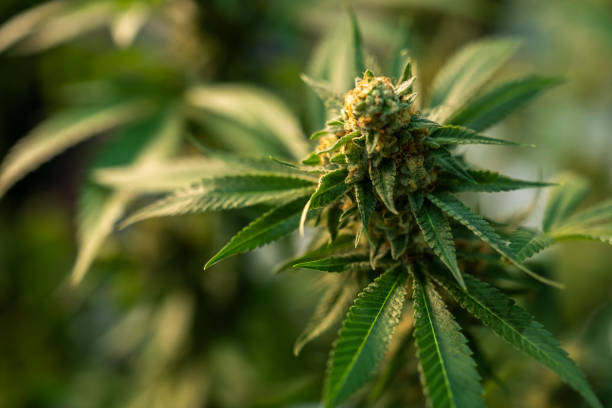
In cannabis plants, terpenes are mainly produced and stored in trichomes — tiny, crystal-like glands on the flowers and leaves.
These same trichomes also produce cannabinoids like THC and CBD. However, terpenes and cannabinoids are different types of compounds. If you want a detailed breakdown, check out this guide on terpenes vs. cannabinoids.
While they’re produced in the same glands, they serve different biological roles and have different chemical structures.
Why Terpene Biosynthesis Matters
Understanding terpene biosynthesis is important for several reasons:
1. Strain Development
Breeders can select plants with specific terpene-producing genes to create new aroma profiles.
2. Consistency
Knowing how genes affect terpene output helps growers maintain consistent flavor and scent.
3. Research and Innovation
Scientists can study terpene synthase enzymes to better understand plant defense systems and aromatic compounds.
4. Consumer Awareness
When you explore terpene-rich strains like those highlighted in the best cannabis strains to buy in 2026 you’re experiencing the final result of complex biological processes happening at the cellular level.
Environmental Factors Also Influence Terpene Production
Even though genes provide the blueprint, environmental conditions affect how much terpene a plant produces.
Factors include:
- Light intensity
- Temperature
- Soil nutrients
- Water availability
- Stress exposure
Plants sometimes produce more terpenes under mild stress as a defense mechanism.
So terpene biosynthesis is both genetic and environmental a combination of nature and nurture.
The Big Picture: From DNA to Aroma
Here’s a simple summary of terpene biosynthesis:
- Genes activate and produce terpene synthase enzymes.
- Basic building blocks (IPP & DMAPP) are formed.
- Enzymes combine and shape molecules into specific terpenes.
- Terpenes accumulate in plant glands, creating aroma and flavor.
What starts as a DNA instruction inside a plant cell becomes the citrus, pine, or floral scent you recognize instantly.
It’s biology, chemistry, and nature working together.