



Look, let’s be brutally honest here. If you’ve landed on this guide, you’re probably curious about hash but maybe a little intimidated by all the conflicting information out there. I get it. The cannabis world can feel like a secret club sometimes, with everyone acting like they’ve been experts since birth.
Well, here’s the thing ,I’ve been down this rabbit hole for years, made my share of mistakes, and learned some hard-earned lessons along the way. This isn’t just another clinical writeup. This is your friend explaining hash over coffee, complete with the stuff they don’t put in the textbooks.
Contents
- What is hash? (The real deal, not the Wikipedia version)
- A brief history of hash (Spoiler: it’s older than your great-grandmother)
- Types of hash (From trash to treasure)
- How to test the quality of your hash (Because nobody likes smoking plant matter)
- How to preserve and de-thaw hash (Yes, you can mess this up)
- How to smoke hash (Multiple ways to get it right)
- Bottom line (My honest take)
- FAQ (The questions people are too embarrassed to ask)
What is hash?
Hash short for hashish is basically cannabis concentrate before concentrates were cool. Think of it as the granddaddy of dabs, the OG of extracts. While modern concentrate makers are using fancy machines and lab equipment, hash makers have been perfecting this art for literally centuries using nothing but their hands, some screens, and a whole lot of patience.
Here’s what’s happening: Trichomes, those tiny little crystal factories on your cannabis plants, contain all the good stuff – THC, CBD, and those amazing terpenes that give different strains their unique flavors and effects. Hash is essentially concentrated trichomes, separated from all the plant material you don’t really need.
The result? A dense, often dark substance that packs way more punch than regular flower. It can look like anything from crumbly powder to hard, dark chunks that could double as paperweights. The color spectrum runs from light blonde (the premium stuff) to almost black (which can be good or… well, we’ll get to that).
Now, here’s something that might surprise you: unlike some of the newer extraction methods that use solvents like butane or CO2, traditional hash is made through purely mechanical means. No chemicals, no fancy equipment that costs more than your car. Just good old-fashioned separation techniques that your ancestors would recognize.
A brief history of hash (Yes, it’s older than sliced bread)
Okay, time for a quick history lesson that’s actually interesting. Hash isn’t some modern invention cooked up in a California lab. We’re talking about a tradition that goes back to at least the 12th century BC. That’s right people were getting lit with hash when the pyramids were still under construction.
The technique spread across the ancient world like wildfire. From the mountains of Nepal and the valleys of India to the markets of Morocco and the hookah lounges of the Middle East, different cultures developed their own unique methods. Each region put its own spin on things, creating distinct styles that hash connoisseurs still argue about today.
Here’s what I find fascinating: while the rest of the world was figuring out agriculture, some brilliant folks in these regions were already perfecting the art of cannabis terpenes extraction. They understood, on an intuitive level, what modern science is just now proving that the combination of cannabinoids and therapeutic terpenes creates effects that are greater than the sum of their parts.
The cultural significance runs deep too. In many traditional societies, hash wasn’t just recreational – it was medicine, it was spiritual practice, it was social bonding. The art of making and sharing hash was passed down through generations like family recipes.
Fast forward to today, and we’re seeing a renaissance. Modern hash makers are combining ancient techniques with contemporary knowledge about cannabis terpenes and cannabinoids, creating products that would make the old masters weep with joy.
Types of hash (From “meh” to “holy grail”)
Not all hash is created equal, and boy, does it show. I’ve smoked hash that transported me to another dimension, and I’ve had hash that made me question my life choices. Here’s the breakdown of what you might encounter:
Dry Sift (The OG Method)
This is as traditional as it gets. Cannabis is literally sifted through progressively finer screens, letting gravity do most of the work. When done right, dry sift can produce some absolutely gorgeous hash – think golden powder that looks like it should be in a pharaoh’s tomb.
The quality varies wildly though. Good dry sift is made with patience, using multiple screen sizes to separate the trichome heads from the stalks and plant matter. Bad dry sift? Well, let’s just say some people throw whole buds through a screen and call it a day.
Bubble/Ice Water Hash (The Science Experiment)
Here’s where things get interesting. This method uses ice water and agitation to freeze and break off trichomes, then multiple bags with different micron sizes to separate them. It’s like panning for gold, but instead of gold, you’re looking for those precious trichome heads.
The best bubble hash I’ve ever had was so clean it literally melted on a nail without leaving any residue. That’s what we call “full melt” – the holy grail of hash. The terpenes in cannabinoids are preserved beautifully in this process, giving you flavors that’ll make you rethink everything you thought you knew about cannabis.
Rosin (The New Kid on the Block)
Technically, rosin is made by applying heat and pressure to either flower or hash. When you press hash, you get hash rosin, which is basically liquid gold. No solvents, no chemicals just pure mechanical extraction.
I’ll be honest, good hash rosin has ruined regular flower for me in some ways. The flavor profiles you can achieve, especially when working with terpene-rich strains, are absolutely insane.
Charas (The Hand-Rolled Tradition)
This is the most labor-intensive method, and possibly the most romantic. Fresh, living cannabis plants are literally rubbed between your palms until the resin builds up into a dark, sticky mass. It’s meditation meets manufacturing.
Charas has this distinct smell and texture that you can’t get from any other method. There’s something almost mystical about the process – you’re literally using the oils from your hands to help extract the oils from the plant.
How to test the quality of your hash (Because life’s too short for schwag)
Here’s where I’m going to save you from some truly disappointing experiences. Bad hash isn’t just a waste of money it can actually be harsh and unpleasant to consume. Here are the tests I always run:
The Visual Inspection (Trust Your Eyes)
Good hash should look… well, good. I know that sounds obvious, but hear me out. You want to see rich, consistent coloring. Green hash is almost always a red flag – it means too much plant matter got mixed in. Think of it like coffee: you want the good stuff extracted, not the bitter grounds mixed in.
High-quality hash often has this almost metallic sheen to it, like there’s oil just waiting to surface. The texture should be relatively uniform, not patchy or chunky in weird ways.
The Flame Test (My Personal Favorite)
This one’s telling. Hold a small piece on a dab tool or knife and bring a flame close (don’t touch the flame to it). Good hash will start to bubble and melt, releasing that distinctive aroma. Bad hash will just burn like plant matter because, well, it mostly is plant matter.
The bubbling action you’re seeing? That’s the essential cannabis terpenes and cannabinoids reacting to heat. It’s basically a purity test disguised as a parlor trick.
The Hand Press Test (Feel the Quality)
Here’s something I learned from an old-school hash maker in Amsterdam: good hash responds to your body heat. Take a small piece and press it between your palms (or use gloves if you’re fancy). Quality hash will become pliable and slightly oily, releasing those beautiful terpene profiles.
If it stays hard as a rock or crumbles into dust, you’re probably looking at lower-grade material.
The Dab Test (For the Adventurous)
If you have a dab rig, this is the ultimate test. Good hash should vaporize cleanly, leaving minimal residue on your nail. The taste should be smooth and complex, not harsh or chemical-y.
Temperature matters here – I usually start around 480-550°F. If you’re getting harsh smoke instead of smooth vapor, either your hash isn’t great or your temperature is too high.
How to preserve and de-thaw hash (The mistakes I wish I hadn’t made)
I’ve ruined more good hash through poor storage than I care to admit. Learn from my expensive mistakes.
Storage Temperature (The Goldilocks Zone)
Hash is finicky about temperature. Too warm, and those precious terpenes start evaporating. Too cold for too long, and the texture can become impossible to work with.
For daily use stuff, keep it in the fridge in an airtight container. I use small glass jars – the kind you’d store spices in. For long-term storage, the freezer is your friend, but there’s a right way and a wrong way to do this.
The De-thawing Process (Patience, Young Grasshopper)
Here’s where I used to screw up regularly: taking hash straight from the freezer and trying to use it immediately. Bad idea. You’ll get condensation, which leads to mold, which leads to having to throw away expensive hash while questioning your life choices.
Instead, let it come to room temperature BEFORE opening the container. Yes, it takes patience. Yes, it’s worth it. You’ll know it’s ready when the container stops sweating on the outside.
Airtight is Right
Oxygen is hash’s enemy. It’ll degrade the quality faster than you can say “limonene terpenes.” Invest in some good airtight containers. Mason jars work fine, but those vacuum-sealed containers are even better if you’re serious about this.
I learned this lesson the hard way when I left some premium hash in a regular baggie for a month. When I came back to it, the flavor was completely gone, and the effects were noticeably weaker.
How to smoke hash (The fun part, finally)
Here’s where the rubber meets the road. There are multiple ways to consume hash, and each method brings out different aspects of the experience. I’ve tried them all, and each has its place.
Smoking Hash in Joints, Spliffs, or Blunts (The Social Option)
Let me start with a confession: I used to think smoking hash in a joint was a waste. I was wrong. When done right, it’s one of the most enjoyable ways to consume, especially in a social setting.
The key insight: Hash often doesn’t burn evenly on its own. You need to mix it with flower or another combustible herb. The ratio matters more than you might think.
Materials you’ll need:
- Quality ground cannabis flower
- Your hash of choice
- Rolling papers (I prefer hemp papers, but that’s personal preference)
- A grinder (trust me on this one)
- Patience
My technique:
- Grind your flower to a medium consistency – not powder, not chunks
- Warm your hash slightly (body heat works) to make it pliable
- Break or crumble the hash into small, even pieces
- Mix the hash and flower in roughly a 1:3 ratio (adjust based on hash quality and desired intensity)
- Roll normally, but pack it a bit looser than you normally would
Pro tip: If you’re working with really oily hash, try shaping it into a thin snake and laying it down the center of your flower. This creates an even burn and prevents canoeing.
The experience is different from smoking either flower or hash alone. You get the immediate cerebral effects from the flower combined with the deeper, more sustained effects from the hash. The terpene benefits from both products interact in interesting ways.
Bowl, Pipe, Bubbler, or Bong (The Classic Approach)
This is probably how most people first encounter hash, and it’s still one of my preferred methods for quality testing new material.
Materials:
- Your smoking device of choice
- Cannabis flower or hemp flower
- Hash
- A screen (optional but recommended)
- Hemp wick (game-changer for flavor)
The method:
- Place a small amount of flower in the bowl as a base layer
- Add your hash on top – start small, you can always add more
- Top with a tiny bit more flower to prevent the hash from melting through
- Light gently, preferably with hemp wick rather than a butane lighter
Why this works: The flower acts as a filter and burning medium, while protecting the hash from direct flame contact. This preserves more of those delicate psychoactive compounds and terpenes that make each hash unique.
I particularly love this method because you can control the heat precisely. Start with gentle heat to vaporize the more volatile compounds, then increase temperature to get the full spectrum of effects.
Vaporizing and Dabbing (The Connoisseur’s Choice)
This is where hash really shines, especially if you have quality material. The flavor profiles you can taste when vaporizing good hash are absolutely incredible.
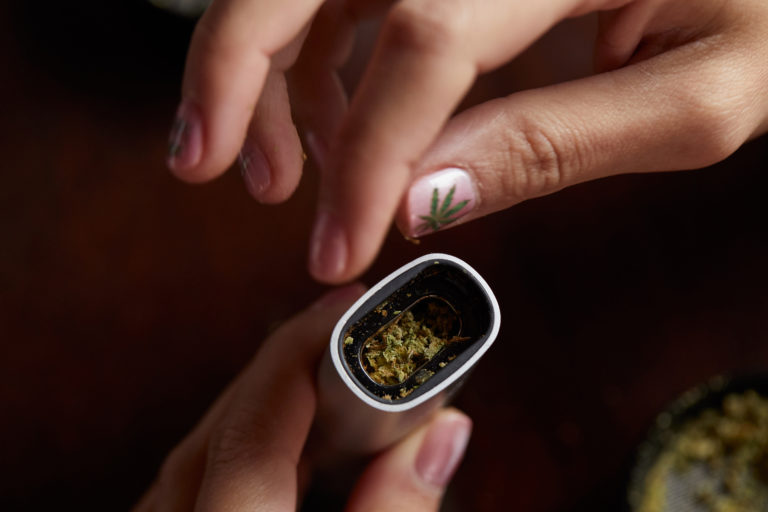
For vaporizers: Most dry herb vapes can handle hash if you sandwich it between flower or use the concentrate pads that come with some units. The key is temperature control start low (around 350°F) and work your way up.
For dab rigs: This is my preferred method for premium hash. The flavor, the smoothness, the immediate effects everything just hits different when you’re vaporizing instead of combusting.
Temperature is crucial. I start at about 480°F for hash and adjust based on how it’s behaving. Too hot, and you’ll combust those delicate terpene extraction methods that give hash its character. Too cool, and you won’t get full vaporization.
Pro tip: Let your hash come to room temperature before dabbing. Cold hash can shock when it hits a hot nail, potentially causing splattering.
The Hot Knives Method (Desperate Times Call for Creative Measures)
Okay, let’s talk about hot knives. Is it the most elegant consumption method? Absolutely not. Does it work when you don’t have proper equipment? You bet it does.
Materials:
- Two butter knives
- A stove or torch
- A plastic water bottle (cut in half)
- Your hash
- Common sense (please)
The process:
- Heat both knife blades until they’re hot (not red-hot, just hot)
- Let them cool for about 10 seconds
- Place a small amount of hash on one knife
- Press the other knife on top while inhaling through your makeshift funnel
Safety note: This method has obvious risks. Hot metal, potentially toxic fumes from heated plastic, burns waiting to happen. I’ve included it because people do it, but please be careful.
The effects hit fast with this method – probably because you’re getting such a concentrated dose so quickly. But the taste? Well, let’s just say it’s not winning any flavor awards.
Bottom line (My honest take after years of experimentation)
Here’s the thing about hash: when it’s good, it’s really, really good. When it’s bad, you’ll wonder why you didn’t just stick with flower.
Good hash offers something that modern concentrates sometimes miss complexity. The best traditional hash has this layered character that unfolds as you consume it. You might taste pinene on the inhale, get hit with some earthy flavors mid-experience, and finish with subtle sweet notes that linger.
But (and this is a big but), quality varies wildly. The hash market is still largely unregulated in many areas, and there’s a lot of mediocre product being passed off as premium. Do your homework, buy from reputable sources, and don’t be afraid to ask questions.
My personal ranking of consumption methods:
- Low-temp dabbing for premium full-melt hash
- Vaporizing at controlled temperatures for flavor appreciation
- Mixed in a well-rolled joint for social experiences
- Bowl topped with flower for daily consumption
- Hot knives only in emergencies
Legal reality check: Let me be crystal clear about something – regardless of state laws, hash remains federally classified as a Schedule I substance under the Controlled Substances Act, defined as having “no currently accepted medical use and a high potential for abuse.” The federal government still considers it illegal, and that creates a complex legal landscape.
Cannabis and its derivatives, including hash, are classified alongside substances like heroin and LSD in Schedule I. While many states have legalized cannabis products, federal law still applies on federal land, national parks, and can affect employment, housing, and educational opportunities.
I’m not a lawyer, and this isn’t legal advice. But I am someone who believes in being informed about the risks. Check your local laws, understand the federal implications, and make informed decisions. The legal landscape is changing, but it’s changing slowly, and there are still real consequences to consider.
That said, in states where cannabis is legal, hash represents one of the most traditional and, in my opinion, most satisfying ways to consume cannabis. There’s something almost meditative about the ritual, something connecting about participating in a tradition that spans centuries and cultures.
FAQ (The questions everyone has but nobody asks)
Hash vs. weed: What’s actually different?
Think of hash as the concentrated essence of cannabis. While flower gives you everything the plant has to offer (including a lot of plant material you don’t need), hash gives you primarily the active compounds. It’s like comparing coffee beans to espresso – related, but definitely different experiences.
The effects tend to be more intense and longer-lasting with hash, partly because of the concentration and partly because of how the terpenes and cannabinoids interact when they’re concentrated together.
What makes hash different from other cannabis concentrates?
Modern concentrates often use chemical solvents (butane, propane, CO2) to extract cannabinoids and terpenes. Traditional hash is made through mechanical separation – no chemicals involved. This preserves certain compounds that might be lost in solvent extraction and gives hash its distinctive character.
Also, hash often includes a broader spectrum of the plant’s compounds because the extraction is less selective than modern methods.
Can you eat raw hash?
Technically yes, but it’s not recommended and won’t get you high. Hash, like raw cannabis, contains mostly THCA (the acid precursor to THC). You need heat to convert THCA to psychoactive THC through a process called decarboxylation.
If you want to eat hash, you need to decarb it first (heat it to activate the THC) and then infuse it into something with fat (butter, oil) since cannabinoids are fat-soluble.
How potent is hash compared to regular weed?
This varies wildly depending on the quality of both the hash and the flower you’re comparing it to. Traditional hash might range from 15-40% THC, while modern flower can hit 20-30% THC. But potency isn’t just about THC content – the concentrated terpenes in hash can significantly affect the overall experience through what’s called the entourage effect.
Why does my hash taste harsh/bad?
Several possibilities: low-quality starting material, poor extraction technique, contamination with plant matter, or degradation from improper storage. Good hash should taste complex and smooth, not harsh or green-tasting.
If your hash consistently tastes bad, it might be worth investing in higher-quality material from reputable sources.
How long does hash stay good?
Properly stored hash can maintain quality for months, even years. However, terpenes (which contribute significantly to flavor and effects) are volatile and will degrade over time. For the best experience, try to consume hash within 6-12 months of production.
Signs of degradation include loss of aroma, changes in texture, and diminished effects. If you see any mold growth, discard immediately.
Is making hash legal where cannabis is legal?
This depends on local laws and regulations. Some states allow home extraction using mechanical methods (like dry sift or ice water hash) but prohibit solvent-based extraction. Others have restrictions on quantities or require licensing.
Always check your local regulations. What’s legal for commercial producers might not be legal for home enthusiasts, and vice versa.
What’s the deal with different hash colors?
Color can indicate quality, processing method, and starting material. Lighter colors (blonde, golden) often indicate higher quality and less plant contamination. Darker colors can result from age, heat exposure, or more plant material in the mix.
However, color isn’t everything. I’ve had dark hash that was absolutely incredible and blonde hash that was mediocre. The other quality tests (flame test, hand press test) are more reliable indicators.
Why is some hash so expensive?
Quality hash requires quality starting material, skilled labor, time, and often significant waste (you might need pounds of flower to make ounces of high-grade hash). Premium hash, especially hand-made varieties like charas or top-grade bubble hash, commands premium prices for good reason.
When you factor in the labor, the starting material costs, and the skill required, expensive hash often represents fair pricing for a premium product.
Final thoughts: Hash isn’t just about getting high (though it certainly does that effectively). It’s about connecting with a tradition, appreciating craftsmanship, and experiencing cannabis in one of its most concentrated and flavorful forms. Whether you’re a curious newcomer or a seasoned enthusiast, approach hash with respect, start slowly, and always prioritize quality over quantity.
Remember: this is a powerful substance that affects everyone differently. Start with small amounts, especially if you’re new to concentrates, and give yourself time to understand how it affects you personally. The goal is enhancement of your experience, not obliteration of your afternoon.
Stay safe, stay legal, and enjoy responsibly.
This article is for educational purposes only. Cannabis laws vary by jurisdiction, and readers should always check local regulations before purchasing or consuming any cannabis products. The author is not providing medical or legal advice.