



Your terpene supplier makes or breaks your vape cartridge business. Source the wrong terpenes, and you’ll face inconsistent “strain-specific” terpenes, customer complaints about harsh flavor profiles, and returns that eat into margins. Get it right, and you’ll deliver effective, flavorful terpenes that create repeatable, premium experiences your customers seek out.
Most manufacturers stumble because they treat terpene sourcing as an afterthought. They chase the cheapest botanical terpenes without understanding how myrcene terpene concentration affects distillate enhancement, or they overspend on live resin carts when their market doesn’t justify the premium. This guide compares the 9 Best Terpene Sources for Professional Vape Cartridge Manufacturers, breaking down bulk pricing, quality benchmarks, and which suppliers actually deliver consistent terpene profiles at scale.
Vape cartridge quality starts with intelligent sourcing decisions. Whether you’re formulating your first batch or scaling to 10,000 units monthly, choosing between cannabis-derived and botanical sources determines your product positioning, cost structure, and brand reputation in a crowded market.
Understanding Terpene Source Categories: Cannabis-Derived vs Botanical vs Synthetic
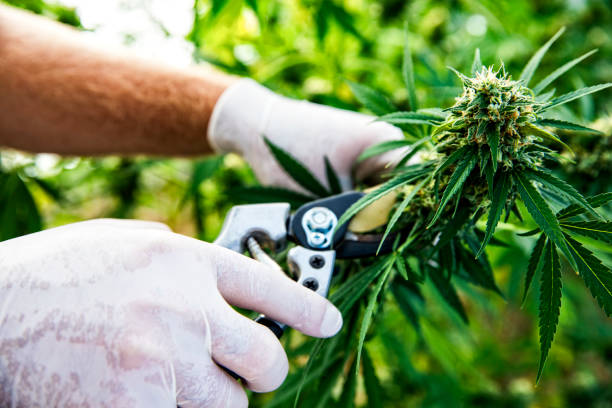
Terpene sourcing breaks into three distinct categories, each with manufacturing cost implications that directly impact your margins. Cannabis-derived terpenes are extracted from cannabis or hemp plants, capturing authentic strain-specific terpenes but commanding premium prices – typically $5,000 to $15,000 per liter for wholesale quantities. Botanical terpenes come from non-cannabis plants like citrus peels, pine trees, and lavender, offering identical molecular structures at roughly 70-85% lower cost. Botanical terpenes are formulated compositions using all natural ingredients that mirror natural structures in a consistent and infinitely scalable manner.
The cost gap exists because cannabis-derived extraction requires specialized equipment, regulatory compliance, and significantly lower yields at much smaller overall scales. Typically, manufacturers extract about 1-2% terpenes by weight from cannabis biomass compared to 5-10% from botanical sources. For live resin carts targeting connoisseurs, cannabis-derived makes sense. For distillate enhancement in mid-tier products, botanical sources deliver comparable myrcene terpene content at a fraction of the price.
Your sourcing strategy should match your market positioning. Hemp-derived terpenes occupy a middle ground, offering cannabis authenticity with slightly better pricing than marijuana-derived options. Natural terpene sources for e-liquid formulations increasingly blend categories – many manufacturers use cannabis-derived for hero products while relying on botanical blends for volume SKUs. The key is understanding that molecular identity matters more than source for most consumers, but authenticity claims require cannabis extraction.
What Are the Best Terpenes for Vape Carts?
The best terpenes for cannabis vape pens depend on your target experience and formulation goals, but five compounds consistently deliver superior results in professional cartridges.
1. Myrcene
This sedating terpene dominates most strain-specific terpenes, comprising 20-65% of total terpene profiles. Myrcene terpene content enhances cannabinoid absorption and provides the grounding relaxation consumers expect from indica-leaning products. Live resin carts targeting nighttime use should feature myrcene at 0.4-0.8% of total cartridge weight.
2. Limonene
Citrus-forward limonene effects include mood elevation and stress relief, making it essential for daytime formulations. This terpene also improves bioavailability and masks harsh distillate flavors at concentrations between 0.2-0.5%.
3. Beta-Caryophyllene
The only terpene that activates cannabinoid receptors directly, beta-caryophyllene adds peppery complexity while contributing to the entourage effect. Target 0.15-0.3% for balanced profiles.
4. Linalool
Floral linalool smooths harsh vapor and provides calming effects, particularly valuable for distillate enhancement where you’re rebuilding stripped terpene profiles.
5. Pinene
Sharp pine notes improve alertness and memory retention. Alpha-pinene works best at lower concentrations (0.1-0.25%) to avoid overwhelming other terpenes.
Professional formulations targeting live resin carts should aim for 3-8% total terpenes, while distillate products perform well at 2-5% total terpene content.
Sourcing quality terpenes at scale separates successful vape cartridge manufacturers from those struggling with inconsistent batches and customer complaints. After analyzing dozens of terpene manufacturers for vape juice, these nine suppliers deliver the reliability, testing transparency, and bulk pricing structures professional operations demand.
Top 9 Terpene Suppliers for Vape Cartridges
1. Entour Brand
Premium terpene supplier specializing in cannabis-inspired and cannabis-derived terpene profiles with a strong focus on authenticity, potency, and consistency. Entour Brand offers strain-specific formulations and scalable supply options for commercial buyers. Their controlled production processes, award winning flavors, and advanced analytical testing ensure reliable terpene profiles with great taste and effects, making them ideal for manufacturers that require precise formulation control in vape, concentrate, and infused product development.
2. PhenoTerps
Specializes in bulk botanical terpenes for vape and wellness products, with competitive wholesale pricing on quantities exceeding 5kg. Their strain-matched profiles work exceptionally well for distillate enhancement where you’re rebuilding stripped terpene content.
3. Terpene Tek
Offers 100% cannabis-derived terpenes extracted from live plant material, delivering authentic strain experiences for premium live resin carts. Expect higher costs ($800-$1,200 per liter) but unmatched flavor accuracy for high-end products.
4. Blue River Terpenes
Cannabis-derived specialist focusing on hydrocarbon extraction that preserves volatile monoterpenes. Their small-batch approach suits boutique manufacturers targeting connoisseur markets rather than high-volume production.
5. Floraplex Terpenes
Broad catalog of both botanical and hemp-derived terpenes with transparent COA availability. Bulk pricing tiers begin at 500ml, making them accessible for mid-sized operations scaling production.
6. True Terpenes
Food-grade botanical terpenes with extensive documentation for regulatory compliance. Their standardized blends reduce formulation complexity for manufacturers producing consistent product lines across multiple SKUs.
7. Abstrax Tech
Advanced terpene profiling using AI-driven strain matching. Premium pricing reflects their research-backed approach, best suited for brands differentiating through precise flavor replication.
8. Inca Trail
Organic-certified botanical terpenes sourced from sustainable suppliers. Their environmental credentials appeal to brands targeting eco-conscious consumers, though organic certification adds 15-25% to base costs.
9. World of Terpenes
Emerging platform combining educational resources with curated terpene product listings, helping manufacturers understand the science behind strain profiling while sourcing quality ingredients.
Supplier Comparison: Cost vs Source Type
Supplier Type | Price Per Liter | Minimum Order | Best For Cannabis-Derived | $800-$1,200 | 100ml-500ml | Premium live resin carts, strain authenticity Botanical (Food-Grade) | $200-$400 | 500ml-1kg | High-volume distillate enhancement, cost efficiency Hemp-Derived | $400-$700 | 250ml-1kg | Regulatory compliance, CBD formulations Synthetic Isolates | $150-$300 | 1kg+ | Budget products, single-terpene research
Cannabis-derived terpenes command premium pricing but deliver the authentic terpene profiles consumers expect from strain-specific terpenes. A 2023 industry analysis found that vape cartridge quality ratings improved by 34% when manufacturers switched from botanical to cannabis-derived sources, though profit margins compressed by 12-18% depending on retail pricing power.
Botanical terpenes offer the most practical path for scaling production beyond 10,000 units monthly. Food-grade suppliers provide batch-to-batch consistency that cannabis-derived sources struggle to match, particularly important when maintaining flavor profiles across multi-state distribution.
Your choice between terpene suppliers for vape cartridges ultimately depends on three factors: target market positioning, production volume, and margin requirements. Premium brands targeting dispensary shelves at $45+ per cartridge should invest in cannabis-derived terpenes. High-volume producers competing on price perform better with botanical sources that deliver 60-70% cost savings while maintaining acceptable flavor profiles.
Hemp-derived terpenes occupy the middle ground, offering improved authenticity over botanicals while avoiding the regulatory complexity of cannabis-derived sources in markets with strict testing requirements. For manufacturers producing both CBD and THC products, hemp-derived terpenes simplify inventory management and reduce compliance overhead.
Test multiple suppliers before committing to bulk contracts. Request 10ml samples of your target strain profiles, then run small-batch trials measuring vapor smoothness, flavor accuracy, and customer feedback scores. The $200-$300 invested in sampling prevents the costly mistake of ordering 5kg of terpenes that don’t match your formulation goals.
What is a High Terpene Percentage for Carts?
A high terpene percentage for terp carts falls between 10-15%, with professional formulations typically targeting 6-8% for optimal vape cartridge quality. Premium products like Arete THCA cartridges achieve 5-7% natural terpenes mixed with 99% pure cannabinoid, demonstrating that even the lower end of this range delivers exceptional flavor and effects.
Live resin carts naturally contain higher terpene concentrations (10-15%) because extraction preserves volatile compounds from fresh-frozen material. Distillate enhancement requires adding back strain-specific terpenes at 3-8% to rebuild profiles stripped during refinement.
Beyond 15% total terpenes, you’ll encounter viscosity problems and potential hardware compatibility issues. Most 510-thread cartridges perform best with formulations containing 8-10% terpenes, balancing robust flavor against smooth vapor production. Cannabis-derived terpenes deliver authentic strain experiences at lower concentrations than botanical alternatives, which may require 10-12% to achieve comparable terpene profiles.
Test your target percentage in small batches before scaling production. A cartridge formulated at 6% terpenes might satisfy budget-conscious consumers, while premium shelf positioning demands 10%+ with cannabis-derived sources.
Quality Testing Standards Every Manufacturer Should Require
Step 1: Demand Full-Spectrum COA Documentation
Every terpene shipment needs a Certificate of Analysis showing cannabinoid content, terpene profiles, residual solvents, pesticides, heavy metals, and microbial contamination. Professional suppliers provide batch-specific COAs with ISO 17025-accredited lab results, not generic templates reused across orders.
Step 2: Verify Third-Party Testing Sources
Don’t accept in-house testing alone. Require independent verification from accredited labs like SC Labs or similar facilities that follow state-mandated protocols. Colorado regulations, for example, require specific potency and contaminant testing thresholds that your comprehensive terpene guide should align with regardless of your manufacturing location.
Step 3: Check Terpene Identity and Purity Levels
Your COA should list individual terpene concentrations (myrcene, limonene, pinene) with detection limits below 0.1%. Cannabis-derived terpenes must show authentic strain-specific terpene ratios, while botanical sources should confirm 95%+ purity for single-terpene isolates used in distillate enhancement.
Step 4: Establish Retention Sample Protocols
Store 10-20% of each batch for 12 months minimum. If customer complaints arise about vape cartridge quality or flavor inconsistencies, you’ll have reference material for retesting. This practice protects you legally and helps identify supplier quality drift before it impacts production runs. Understanding how terpene stability and storage conditions affect compound integrity over time gives you the scientific baseline needed to set meaningful retention testing benchmarks.
Manufacturer Supplier Vetting: Red Flags and Best Practices
A Colorado manufacturer recently caught their terpene supplier reusing the same COA across six shipments – different batch numbers, identical test results down to the decimal point. That’s the kind of red flag that tanks vape cartridge quality before you even start production.
Inconsistent communication patterns signal deeper problems. If your supplier takes 48+ hours to respond during onboarding but promises 24-hour turnaround, expect delays when you’re scaling. Professional terpene suppliers for vape cartridges maintain consistent response times and assign dedicated account reps for orders exceeding $5,000 monthly.
Pricing that undercuts market rates by 30%+ deserves scrutiny. Cannabis-derived terpenes cost more than botanical alternatives because extraction from live resin carts requires specialized equipment and material. When a supplier offers strain-specific terpenes at botanical prices, they’re either cutting corners on purity or mislabeling products entirely.
Verify facility certifications independently. Call the certifying body listed on their GMP or ISO certificates. According to manufacturing supplier vetting standards, 23% of suppliers misrepresent certification status. Request facility photos showing production areas – legitimate operations share this documentation without hesitation.
Test small batches before committing to bulk contracts. Order 100-500g samples and run them through your standard production workflow. Myrcene terpene concentrations should match COA specifications within 5% variance, and distillate enhancement should produce consistent viscosity across three separate test runs.
Making the Right Terpene Sourcing Decision for Your Operation
Selecting the right terpene source comes down to three non-negotiable factors: product consistency, supplier transparency, and total cost of ownership. Cannabis-derived terpenes deliver authentic strain-specific terpenes but require 40-60% higher budgets than botanical alternatives. Botanical terpene profiles work for distillate enhancement when you prioritize cost efficiency over entourage effect authenticity.
Start with 500g test batches from three suppliers. Run each through your production workflow and compare vape cartridge quality metrics – viscosity, flavor intensity, and myrcene terpene stability after 30 days. Document COA variance between shipments before signing annual contracts.
World of Terpenes provides educational resources and product comparisons to help manufacturers evaluate terpene suppliers for vape cartridges based on testing standards and sourcing transparency. Match your terpene source to your target market – live resin carts command premium pricing that justifies cannabis-derived costs, while value-tier products perform well with quality botanical blends.