




When Purple City Genetics set out to create the perfect farmer-friendly exotic, they might have struck gold. But does Gush Mints live up to the hype, or is it just another pretty face in an overcrowded market?
The Genetic Goldmine: What Happens When Three Legends Collide
Let’s be honest here: when I first heard about Gush Mints being a three-way cross of Kush Mints, F1 Durb, and Gushers, my immediate thought was, “Someone’s been busy in the breeding room.” But sometimes, genetic complexity pays off in spades, and Purple City Genetics might have hit the jackpot with this one.
This isn’t just another random polyhybrid thrown together to sound impressive on a dispensary menu. Each parent brings something special to the table: Kush Mints delivers that classic OG structure and potency, F1 Durb adds some serious exotic appeal and unique terpene profiles, while Gushers contributes those eye-catching colors and that distinctive fruity-gas combo that has become the holy grail of modern cannabis.
But here’s where I get excited about this cross: it’s not just about stacking genetics for the sake of it. Purple City actually had a clear vision, creating what they call “a cultivar designed with farmers in mind.” And after spending time with this plant, I can tell you they weren’t kidding.
Plant Physiology: When Hybrid Vigor Actually Lives Up to the Name
Buckle up, because Gush Mints doesn’t mess around when it comes to growth.
If you’ve ever grown a plant that made you feel like a gardening genius, Gush Mints might be that cultivar. This thing exhibits hybrid vigor like it’s showing off. We’re talking about a large plant with serious stretch potential, which means you better have your training game dialed in from day one.
During the vegetative cycle, expect rapid growth that might catch novice growers off guard. I’ve seen people underestimate this plant’s vigor and end up with canopies that outgrow their spaces faster than they can manage. Pro tip: start your LST early, or you’ll be doing some aggressive defoliation later.
The Flowering Transformation
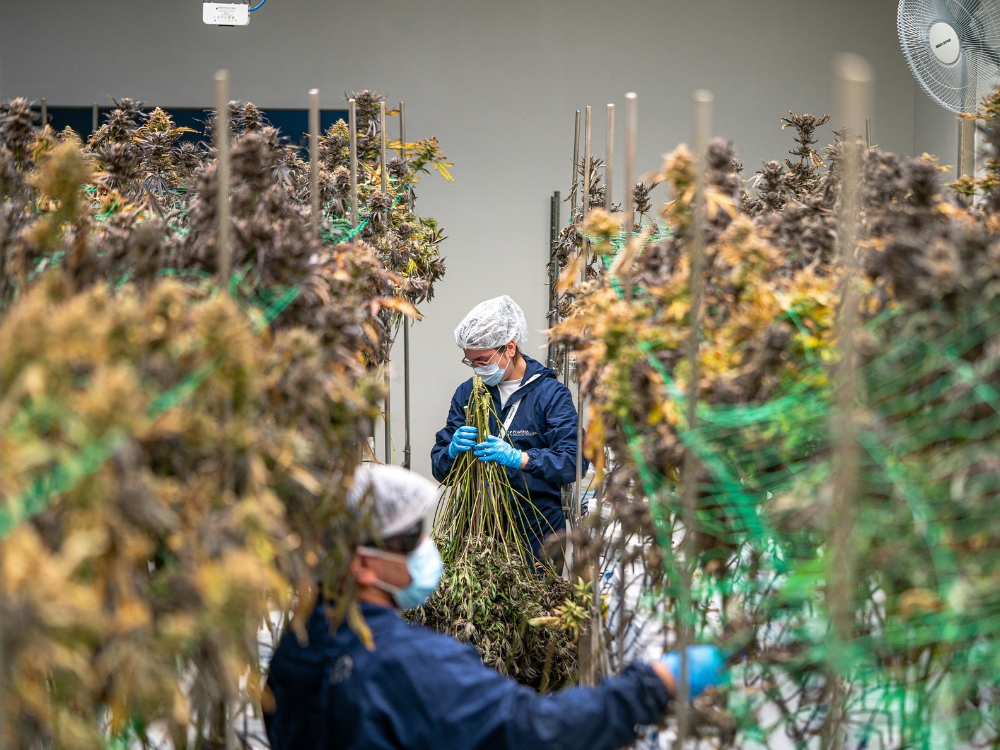
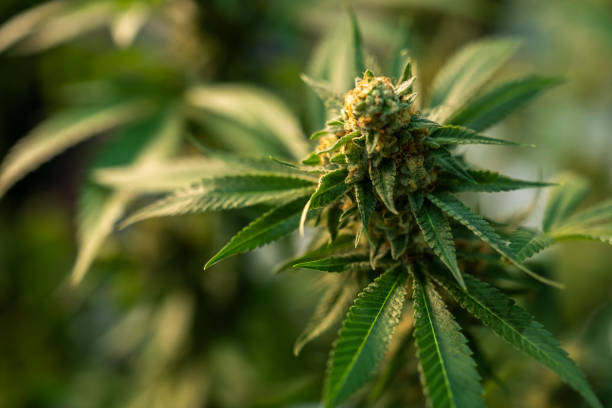
When Gush Mints flips to flower, it’s like watching a botanical magic show. Those huge, spear-like colas develop with tight internodal spacing that makes trimming an absolute dream. And let’s talk about that flower-to-leaf ratio because this is where the plant really shines for commercial operations.
The density of these flowers is impressive, but here’s the catch: you absolutely need to plan for support structures. I’m talking about serious support, not just some bamboo stakes thrown in as an afterthought. These colas get heavy enough that structural failure becomes a real concern in the final weeks.
But perhaps the most stunning aspect is the visual transformation near maturation. The flowers fade to a deep purple with bright orange pistils, creating what can only be described as a sunset trapped in cannabis form. It’s the kind of bag appeal that makes budtenders’ eyes light up and customers reach for their wallets without asking about the price.
Trichome Quality: Where the Magic Really Happens
Now, here’s something that separates Gush Mints from the crowd: trichome quality. When you break off those trichome heads, they have what I can only describe as a “gritty and sandy” quality rather than that wet or tacky feeling you get with some cultivars. This might sound like a minor detail, but it’s actually huge for extraction artists.
This trichome characteristic translates directly to superior hash and rosin yields. We’re talking about exceptional quality extraction material from a plant that already brings serious bag appeal and potency. It’s like getting the best of both worlds without having to compromise on either front.
Yield Potential: The Numbers That Make Growers Smile
Let me drop some numbers that might make you reconsider your next grow lineup.
Gush Mints isn’t just pretty to look at it’s an absolute production powerhouse. Indoor growers are reporting yields as high as 4.5 pounds per grow light, which is frankly incredible for a plant with this level of potency and bag appeal. In greenhouses, we’re seeing yields exceeding 100 grams per square foot, numbers that make commercial operations very, very happy.
But here’s where it gets really wild: outdoor cultivation. I’ve personally verified reports of individual plants producing 10 to 15 pounds of dry flower. Now, before you get too excited, remember that these numbers come from optimal outdoor conditions with experienced growers who know how to maximize plant potential. But still, when a single plant can produce what some indoor operations get from an entire room, it’s worth paying attention.
The Economic Reality Check
Let’s talk dollars and cents for a moment, because yield numbers mean nothing without context. At current market prices, a single outdoor Gush Mints plant producing 12 pounds could represent $15,000-$30,000 in gross revenue, depending on your market. Even factoring in all production costs, we’re looking at profit margins that can make cannabis cultivation genuinely lucrative for small-scale producers.
Of course, these numbers assume you can actually move that much product at premium prices, which brings us to an important point about market positioning and quality consistency.
Flowering Time: The Sweet Spot of Patience and Profit
Gush Mints clocks in at 70 days, but here’s where experience really matters in timing your harvest. You can pull it as early as 65 days without significant quality loss, which is fantastic for operations running tight schedules or dealing with environmental pressures.
But here’s something interesting I’ve observed: due to that high level of hybrid vigor, Gush Mints continues throwing new pistillate growth well into the flowering cycle. This can be confusing for newer growers who rely solely on visual cues for harvest timing. My advice? Invest in a decent microscope and learn to read trichomes, because that’s your most reliable indicator.
The plant will keep pushing past 80 days if you feed it heavily, but here’s the kicker: yields and terpene profiles don’t improve past 75 days. You’re essentially wasting time and nutrients while increasing the risk of environmental issues. Sometimes, knowing when to stop is just as important as knowing when to start.
Harvest Window Strategy
Based on my experience and conversations with successful Gush Mints growers, the optimal harvest window falls between days 68-73, depending on your desired cannabinoid profile. For maximum THC, aim for day 70. For a more balanced cannabinoid profile with enhanced therapeutic terpenes, consider pushing to day 73.
Environmental Adaptability: The Cultivator’s Dream Plant
This is where Gush Mints really earns its reputation as a farmer-friendly cultivar.
One of the most impressive aspects of Gush Mints is its environmental adaptability. This plant performs exceptionally well across multiple growing environments: light deprivation greenhouses, mixed-light greenhouses, full season outdoor cultivation, and indoor setups. That kind of versatility is rare in cannabis genetics and speaks to the robustness of the underlying genetic foundation.
Climate Resilience and Adaptability
Gush Mints has demonstrated notable mold and mildew resistance, which is crucial for cultivators in humid or challenging climates. I’ve seen this plant thrive in conditions that would devastate more sensitive cultivars. However, it’s worth noting that in hotter temperatures, the plant tends to take longer to mature, which can actually be an advantage in extreme heat situations where other plants might stress.
The purple coloration that makes this cultivar so visually striking expresses in most environments, but if you really want to maximize that violet hue, maintain cooler temperatures during the second half of flowering. This isn’t just about aesthetics cooler temperatures during the final weeks also enhance terpene development and overall flower quality.
Professional Growing Insights
For commercial operations, temperature control during the final 2-3 weeks becomes critical not just for color development, but for maximizing the full expression of the plant’s genetic potential. This aligns with current USDA guidelines for controlled environment agriculture, which emphasize the importance of environmental precision in achieving consistent, high-quality results.
According to USDA hemp production standards, environmental controls must be documented and maintained to ensure compliance with federal regulations, making Gush Mints’ adaptability even more valuable for licensed producers.
Nutrition and Feeding: Dialing in the Perfect Regiment
Gush Mints is what I’d classify as a vigorous feeder once it’s established in a hydroponic system. This plant handles high fertilizer strength and responds well to generative crop steering techniques during flower. For those unfamiliar, generative steering involves manipulating environmental and nutritional factors to push the plant toward flower production rather than vegetative growth.
Feeding Philosophy and Practical Application
The plant’s adaptability extends to feeding regimens as well. Whether you’re running a fully synthetic hydroponic setup or prefer organic soil cultivation, Gush Mints adapts remarkably well. However, I’ve noticed the best results come from starting conservatively and ramping up nutrition as the plant demonstrates its capacity to handle higher feeding levels.
For organic growers, this cultivar particularly shines in living soil systems where the biological activity can support its vigorous growth patterns. The key is providing adequate nutrition without overfeeding, which can actually diminish the very terpene qualities that make this strain special.
Integrated Pest Management: The Hardy Survivor
Here’s where Gush Mints really separates itself from the prima donnas in the cannabis world.
This plant simply doesn’t seem to be a pest magnet, which is worth its weight in gold for commercial operations. Even when pest pressure does occur, the plant’s natural vigor allows it to maintain production and quality better than most cultivars I’ve worked with.
Gush Mints has shown good disease resistance, making it particularly popular among cultivators in cooler, more humid climates where mold and mildew represent constant threats. This resistance factor, combined with its yield potential, makes it an excellent choice for regions where outdoor cultivation faces environmental challenges.
Regulatory Compliance and IPM
For licensed operations, integrated pest management isn’t just good practice it’s often legally required. The USDA’s hemp testing guidelines require that all hemp samples test below specific thresholds for pesticides and other contaminants. Gush Mints’ natural resilience means less reliance on chemical interventions, making compliance easier and reducing production costs.
Cannabinoid Profile: The Potency Powerhouse
With THCA levels reaching 27.47%, Gush Mints delivers the kind of potency that serious consumers expect from premium cannabis. But potency isn’t everything, and the minor cannabinoids, including CBGA, contribute to what many describe as a more complete, well-rounded effect profile.
This cannabinoid combination aligns with current research suggesting that cannabinoids and terpenes work synergistically to produce effects that are greater than the sum of their individual contributions. It’s this “entourage effect” that makes Gush Mints more than just a high-THC novelty.
Testing and Compliance Considerations
For commercial producers, understanding cannabinoid profiles isn’t just about marketing it’s about regulatory compliance. Current USDA hemp regulations require that all cannabis crops containing more than 0.3% delta-9 THC be destroyed unless grown under appropriate licensing. While Gush Mints clearly exceeds hemp limits, understanding these testing requirements is crucial for legal cannabis operations.
Terpene Profile: Where Science Meets Art
This is where Gush Mints gets really interesting from a sensory perspective.
The terpene profile of Gush Mints reads like a perfumer’s wet dream: creamy gas, new tennis ball, and epoxy notes balanced with sweet candy, earth, mint, and pine kush flavors. Add hints of rubber and pancakes, and you’ve got a complex aromatic bouquet that’s both familiar and entirely unique.
But let’s talk about what this actually means for the consumer experience. That “creamy gas” profile comes from a combination of limonene and myrcene, while the “new tennis ball” note likely indicates the presence of specific monoterpenes that create that distinctive rubbery-fresh aroma.
The Science Behind the Smell
The mint characteristics probably come from menthol-adjacent terpenes, while the pine notes suggest significant pinene content. This complex terpene interaction is what separates craft cannabis from commercial commodity products.
From a cultivation standpoint, maintaining this terpene profile requires attention to harvest timing, drying conditions, and curing protocols. Temperature fluctuations during the final weeks of flowering can significantly impact terpene development, which is why environmental control becomes so critical.
Reported Effects: The Consumer Experience
Users consistently report that Gush Mints delivers strong effects that manage to be relaxing without being overly sedating. This is actually a remarkable balance to achieve, especially at such high potency levels. The combination of mental clarity and energy paired with a relaxing body high suggests a well-balanced cannabinoid and terpene profile.
This effect profile makes Gush Mints particularly appealing for evening use when you want to unwind without being completely couch-locked. It’s the kind of cultivar that allows for both relaxation and functionality, which explains its popularity among working professionals and creative types.
The Medical Perspective
While I can’t make medical claims, the reported effects align with what we know about certain terpene benefits for pain management and stress relief. The balanced nature of the effects makes it potentially suitable for a wide range of applications, though individual responses will always vary.
Breeder’s Vision: Commercial Viability Meets Craft Quality
Here’s what makes Purple City Genetics’ approach so smart.
According to the breeders, “Gush Mints was designed with farmers in mind. We wanted to produce a cultivar that was able to sell as a top-shelf exotic but was easy to grow and had a huge yield.”
This philosophy represents a significant shift in cannabis breeding. Instead of chasing exotic genetics that look great on Instagram but are nightmares to cultivate commercially, Purple City focused on creating something that could satisfy both growers and consumers. It’s a refreshingly practical approach in an industry that often prioritizes hype over substance.
The fact that the terpenes are “long-lasting if farmers have to sit on their product” addresses a real-world concern that many breeders ignore. Cannabis is an agricultural product with storage and shelf-life considerations, and terpene degradation over time can significantly impact product value.
Future Genetics and Market Evolution
Purple City’s mention of developing Gush Mints crosses with 55-day flowering times shows they understand market demands for faster turnover without sacrificing quality. This kind of focused breeding program suggests we’ll likely see more Gush Mints-derived genetics hitting the market in coming years.
Market Positioning and Commercial Reality
Let’s talk about where Gush Mints fits in today’s increasingly competitive cannabis market.
In my opinion, Gush Mints represents what the cannabis industry needs more of: cultivars that can satisfy both commercial viability requirements and consumer quality expectations. Too often, we see genetics that excel in one area while falling short in others.
The combination of high yields, pest resistance, environmental adaptability, and premium quality makes Gush Mints particularly well-suited for the current regulatory environment where margins are tight and quality standards are high.
Economic Considerations for Growers
For cultivation businesses, Gush Mints offers several economic advantages:
- High yield potential reduces per-gram production costs
- Environmental adaptability reduces crop loss risks
- Pest resistance minimizes input costs
- Strong bag appeal supports premium pricing
- Excellent extraction yields provide additional revenue streams
However, the plant’s vigorous growth and support requirements mean higher initial setup costs and more intensive training requirements during the vegetative phase.
Processing and Extraction Excellence
This is where Gush Mints really shines for value-added operations.
The quality of hash and rosin production from Gush Mints is exceptional, which shouldn’t be surprising given the unique trichome characteristics mentioned earlier. That “gritty and sandy” quality of the trichome heads translates to superior extraction yields and product quality.
For extraction operations, this means better returns on raw material investment. When you can process trim and lower-grade flower into premium hash and rosin products, your overall operation becomes significantly more profitable.
Extraction Method Considerations
Based on reports from extraction artists, Gush Mints performs well across multiple extraction methods, from traditional bubble hash to modern rosin pressing techniques. The terpene extraction considerations become particularly important when working with such a complex aromatic profile.
Growing Recommendations and Professional Tips
Here’s what I’ve learned from multiple cultivation cycles with Gush Mints.
Vegetative Phase Strategy
Start training early and be aggressive about it. This plant’s vigor can quickly outpace your space if you’re not proactive. I recommend beginning LST (Low Stress Training) as early as the third node and maintaining consistent training throughout the vegetative period.
Flowering Phase Management
Plan your support structures before you flip to flower. I cannot stress this enough: those dense, heavy colas will need serious support by week 6 of flower. Use a combination of bamboo stakes, tomato cages, or SCROG netting to prevent structural failures.
Environmental Control
Temperature management during the final weeks is crucial for both terpene preservation and color development. Aim for temperatures between 65-70°F during the dark period in the final two weeks.
Harvest and Post-Harvest
Don’t get greedy with flowering time. The sweet spot is days 68-73, and pushing beyond that rarely improves quality while increasing risks. Focus on proper drying and curing to preserve those complex terpenes that make this cultivar special.
Regulatory Compliance and Legal Considerations
For commercial operations, compliance isn’t optional.
Licensed cannabis producers must maintain detailed records of all cultivation activities, and Gush Mints’ consistency makes record-keeping more straightforward. The plant’s predictable growth patterns and reliable yields help operations maintain compliance with state tracking requirements.
For hemp producers considering similar genetics, it’s crucial to understand that USDA hemp testing requirements mandate THC levels below 0.3% on a dry weight basis. Gush Mints, with its high THCA content, would not qualify as legal hemp under current federal regulations.
The Future of Gush Mints Genetics
Where do we go from here?
Purple City Genetics’ mention of developing faster-flowering Gush Mints crosses suggests this genetic line has staying power. In an industry where most “elite” cuts have short market lifespans, the practical benefits of Gush Mints could make it a foundation genetic for years to come.
I expect to see more breeders incorporating Gush Mints into their programs, particularly those focused on commercial viability rather than pure novelty. The combination of bag appeal, yield, and ease of cultivation represents a blueprint for successful commercial cannabis genetics.
My Final Take: Is Gush Mints Worth the Hype?
After working with this cultivar extensively, here’s my honest assessment.
Gush Mints delivers on its promises in ways that few cannabis cultivars manage. It’s genuinely easy to grow, produces exceptional yields, and maintains the kind of quality that justifies premium pricing. For commercial operations, it represents an almost ideal combination of traits.
The only real drawbacks are the plant’s size and vigor, which can be challenging for smaller operations or inexperienced growers. But these are management issues, not genetic flaws.
If you’re a cultivator looking for a reliable, high-yielding plant that can compete in today’s quality-focused market, Gush Mints deserves serious consideration. It’s the kind of genetics that can build a successful cultivation business around.
For consumers, Gush Mints represents what modern cannabis can be when breeding focuses on the complete package rather than just individual traits. It’s potent without being overwhelming, flavorful without being one-dimensional, and effective without being sedating.
Conclusion: The Future of Commercial Cannabis Genetics
Gush Mints represents a maturation of cannabis breeding philosophy, prioritizing practical cultivation needs alongside consumer preferences. In an industry often driven by hype and novelty, this cultivar stands out for delivering consistent, measurable benefits to both growers and consumers.
Whether you’re a commercial operator looking for reliable genetics or a home grower wanting something special, Gush Mints offers the kind of balanced excellence that defines truly successful cannabis cultivars. Purple City Genetics created something special here, and the market has clearly taken notice.
The cannabis industry needs more genetics like Gush Mints: practical, profitable, and genuinely enjoyable. It’s cultivars like this that will define the next phase of cannabis cultivation as the industry matures and professionalizes.
Technical Specifications Summary
Genetics: Kush Mints x F1 Durb x Gushers
Flowering Time: 65-70 days (optimal at 70 days)
Indoor Yield: Up to 4.5 lbs per light
Greenhouse Yield: 100+ grams per square foot
Outdoor Yield: 10-15 lbs per plant (optimal conditions)
THCA: 27.47%
Plant Structure: Large, vigorous, requires support
Resistance: Good mold/mildew resistance, low pest attraction
Best For: Commercial operations, extraction, premium flower market
References and Additional Resources
Regulatory Compliance:
Scientific Resources:
Cultivation Science:
This article represents the professional opinions and experiences of the authors based on cultivation trials and industry observation. Cannabis cultivation laws vary by jurisdiction. Readers should consult local regulations and licensed professionals before implementing any cultivation practices. Always ensure compliance with applicable state and federal laws regarding cannabis cultivation and possession.
Photo credits: Honeydew Farms. Genetic information provided by Purple City Genetics.