Types of Terpenes
Humulene gives hops and cannabis their earthy, woody, beer-like smell. Here is what the research actually shows about its effects, and why the famous appetite claim is shakier than the internet suggests.
World of Terpenes Editorial · June 9, 2026
Terpenes Guide
What temperature should you actually vape at to get the flavour and effect you want? Here is the real story on terpene boiling points, with a chart and honest caveats.
World of Terpenes Editorial · June 5, 2026
Types of Terpenes
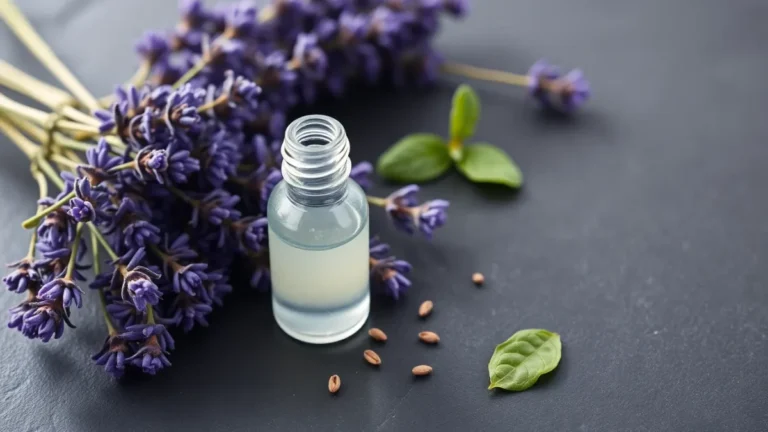
Linalool is the floral, lavender-scented terpene behind cannabis strains and essential oils marketed for calm. Here’s what the science actually says about its effects on anxiety, sleep and skin.
World of Terpenes Editorial · May 26, 2026

Terpenes Basics
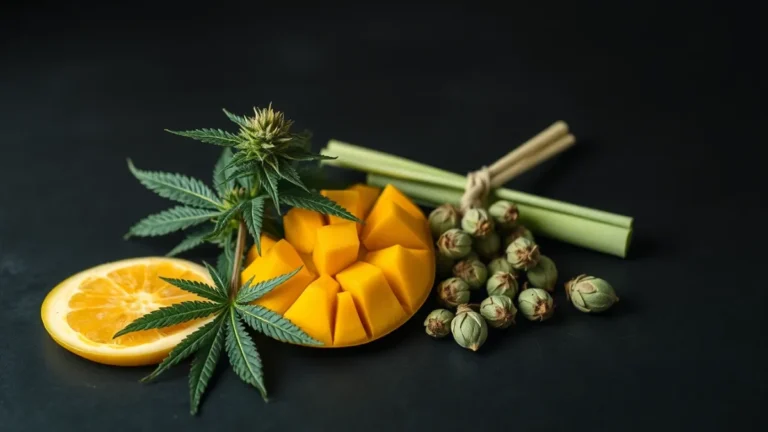
Master 5 essential terpene terms every enthusiast needs to know — from entourage effect to chemotype and terpene profile. Build a solid foundation with this beginner-friendly glossary.
World of Terpenes Editorial · March 19, 2026

Benefits of Terpenes
Do higher terpene levels mean stronger effects? Not always. Discover the science behind terpene potency, concentration thresholds, and how terpenes shape your cannabis experience.
World of Terpenes Editorial · March 19, 2026
Benefits of Terpenes
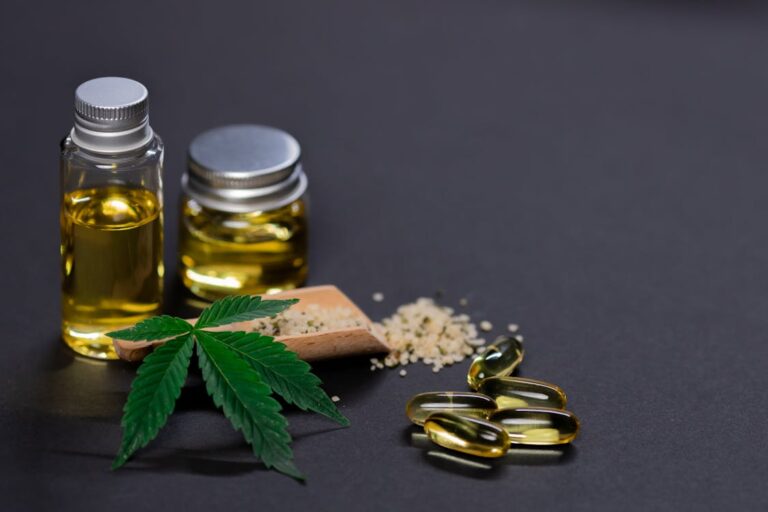
Terpenes and their effects go far beyond aroma. Learn how cannabis terpenes influence mood, sleep, focus, and pain relief through the endocannabinoid system and entourage effect.
World of Terpenes Editorial · March 19, 2026