




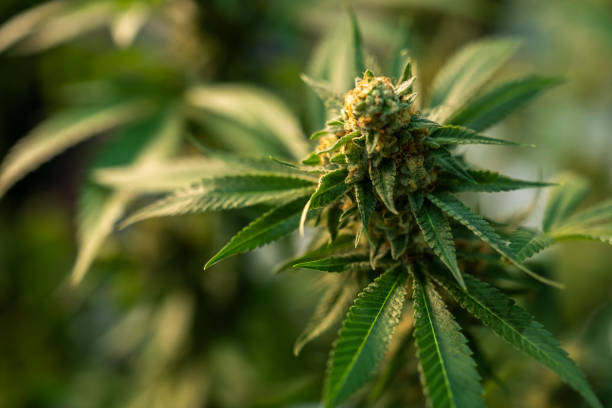
Let me tell you something about old seeds. They’re like vintage wine, except instead of getting better with age, they become increasingly stubborn little time capsules that may or may not decide to cooperate with your germination dreams. After four decades of breeding cannabis and creating seeds from over 200 cultivars, I’ve learned that dealing with aged genetics is part science, part art, and part prayer to the cannabis gods.
I’ve bred more strains than I care to count, and honestly, some were absolute disasters that deserved to die in obscurity. But others? Others were pure magic that I’d give anything to experience again. The problem is, I’m getting old, and so is my precious seed collection. Most of my seeds are sitting pretty at 15 to 20 years old, which in seed years is like being a centenarian with arthritis.
The Reality of an Aging Seed Collection
Today, I’m sitting on a treasure trove of more than 100 unreleased cultivars in seed form. Think of it as the cannabis equivalent of finding a dusty box of unreleased Beatles recordings in your attic, except these recordings might not play anymore. My collection includes many of the popular cultivars that Trichome Technologies bred back in the early 1990s, including the legendary Purple Kush that still makes old-timers weep with nostalgia.
But here’s where it gets emotional: many of these long-preserved varieties are ones that I and my closest friends can no longer enjoy. You know that feeling when you smell something that instantly transports you back to the best days of your life? That’s what these genetics represent. They’re not just plants; they’re memories crystallized in seed form.
The harsh reality is that not all of them survived my less-than-perfect storage methods. Some were casualties of a law enforcement seizure during my arrest years ago (a story for another day that still makes my blood pressure spike). Thankfully, many were saved or painstakingly recreated through the help of fellow breeders who understood the value of preserving genetic diversity.
The Legal Landscape: A Word of Caution
Before we dive into the nitty-gritty of germination, let’s address the elephant in the room: legality. The DEA clarified in 2022 that seeds containing 0.3% THC or less meet the federal definition of hemp, but the legal landscape is shifting dramatically.
Here’s what you need to know: Effective November 13, 2025, Congress fundamentally rewrote hemp laws, and by November 12, 2026, seeds from plants that can produce high-THC cannabis will be classified as “marijuana” under federal law. This is a seismic shift that affects every grower, breeder, and seed collector in America.
The countdown has started, and after November 12, 2026, interstate shipping of such seeds becomes federally illegal. The Congressional Research Service has detailed the implications of these changes extensively.
My personal opinion? This is government overreach at its finest, but it’s the reality we’re working with. If you’re planning to germinate old seeds, understand your local laws and act accordingly. I’m not providing legal advice here, just sharing what an old breeder has observed.
The (Not-So) Basics of Cannabis Seed Germination
Now, let’s get to the meat and potatoes. The state of my aging seed collection has made me wonder whether modern technological advances have given us better tools to wake up these sleeping genetic giants. To answer this burning question, I reached out to my network of tissue culture technicians, old-school breeders who’ve forgotten more than most people know, and botanical experts who speak in Latin and actually know what they’re talking about.
The consensus was both reassuring and frustrating: we’re essentially still using the same methods our predecessors used decades ago, just with a few modern tweaks to slightly improve our odds. It’s like upgrading from a flip phone to a smartphone, but you’re still just making calls.
Here’s the hard truth that every expert I consulted agreed upon: you cannot germinate a nonviable seed. Period. End of story. It’s like trying to resurrect a dodo bird, no matter how much you want it to happen, dead is dead.
The Float Test: Old School Reliability
The simplest viability test is what I call the “sink or swim” approach. Place your precious seeds in a cup of distilled, pH-neutral water. The viable ones will sink like little submarines, while the nonviable ones will float like tiny lifeboats that have already given up hope. Give those floating optimists 24 hours to prove themselves, but after that, they’re just taking up space.
This test isn’t foolproof, though. I’ve seen perfectly viable seeds float initially due to surface tension, only to sink after a gentle nudge. Don’t give up too quickly on floaters, but don’t hold your breath either.
The submerged seeds should show signs of life within 48 hours. After that, they need to be transferred to proper cannabis terpenes rich germination plugs or another media specifically designed for seed germination. The terpene profile during early germination can actually influence the plant’s future terpene benefits and overall development.
Advanced Techniques: When Desperation Meets Science
Some of the tissue culture experts I interviewed suggested getting fancy with test tubes and utilizing Agar, which is basically a natural gel that makes scientists feel important. In this method, you can control the Agar’s specific nutrient content and pH levels to create the perfect environment for germination. It’s like creating a five-star hotel for seeds, complete with room service.
This approach allows for growing in vitro conditions that maintain sterility, which is crucial when dealing with old seeds that might be more susceptible to contamination. Think of it as providing intensive care for geriatric genetics.
Embryo Rescue: Playing Seed Surgeon
This is where things get interesting and slightly terrifying. Embryo rescue is a technique I first learned about when I was just 13 years old, and it still makes my hands shake a little when I think about attempting it. The process involves surgically removing the seed coat (testa) from a live embryo that’s too weak to shed it on its own.
Imagine a chick that can’t break out of its shell, and you have to carefully crack it open without killing the bird. That’s essentially what you’re doing here, except the “chick” is microscopic and one wrong move destroys months or years of anticipation.
The seed coat normally acts as protection, but in older seeds, it can become tougher than a two-dollar steak and create an insurmountable barrier for a weakened embryo. By carefully removing this barrier, you’re giving the embryo a fighting chance, but you’re also risking everything if your surgical skills aren’t up to par.
Germination Aids: Chemical Assistance for Stubborn Seeds
When dealing with old genetics, sometimes you need to bring in the heavy artillery. Several experts suggested considering seed germination aids, which are basically performance enhancers for reluctant seeds.
Commercial Solutions
Cannomic Laboratories produces something called a “Germinator solution” that’s specifically advertised as a seed-sprouting aid. I haven’t personally tested it on a large scale, but the science behind it seems solid, and desperate times call for desperate measures.
Another product worth considering comes from Grow Genius and contains 40% mono-silicic acid. The marketing claims it facilitates healthy germination, and while I’m usually skeptical of miracle products, the chemical composition suggests it might actually help strengthen cell walls during the critical early stages.
Gibberellic Acid: The Double-Edged Sword
Now we’re getting into the serious stuff. Gibberellic acid (GA3) is a naturally occurring plant hormone that regulates growth and development. Studies have shown that using GA3 as a soaking solution can increase germination rates by 14% to 27%, which sounds fantastic until you hear the catch.
The optimal concentration for hemp seeds appears to be 400-600 milligrams per liter, significantly higher than the 50-150 PPM used for other plants. You’d typically soak seeds in this solution for up to 24 hours, which seems straightforward enough.
Here’s the problem that makes me hesitant to fully embrace GA3: the resulting sprouts sometimes stretch like they’re reaching for the stars and then promptly die from their own enthusiasm. It’s like giving caffeine to someone who already has anxiety, they get a burst of energy followed by a spectacular crash.
I’m personally holding off on using GA3 until I can figure out how to prevent this stretching issue. The last thing I want is to successfully germinate a precious 20-year-old seed only to watch it grow itself to death in a fit of hormonal exuberance.
My Step-by-Step Method for Germinating Ancient Seeds
After decades of trial and error, countless successes, and heartbreaking failures, here’s my refined approach to coaxing life from aged genetics. This method combines traditional techniques with modern insights, and while it’s not foolproof, it’s given me the best success rates with vintage seeds.
Step 1: The Gentle Rinse
Start by rinsing your seeds with a solution of pH-adjusted distilled water mixed with hydrogen peroxide in a 10:1 ratio. Let them soak for exactly two minutes, no more, no less. This gentle disinfection removes any surface contaminants that might interfere with germination while being mild enough not to damage weakened seed coats.
After rinsing, pat them dry with a clean paper towel. Handle them like they’re made of glass because, at 15-20 years old, they practically are. Each seed represents years of careful breeding and genetic selection, so treat them with the respect they deserve.
Step 2: The Waiting Game
Submerge the cleaned seeds in pH-adjusted distilled water for up to 48 hours. This is where patience becomes your greatest virtue and your worst enemy. You’ll find yourself checking on them every few hours like an expectant parent, looking for any sign of life.
Some seeds will begin to crack open within the first 12-24 hours, showing tiny white taproots that look like little declarations of victory. Others will stubbornly maintain their closed-shell meditation for the full 48 hours before deciding whether to join the party.
Step 3: Paper Towel Nursery
Any seed that shows signs of germination gets the VIP treatment: carefully fold it into a moist (not soaking) paper towel and place it in a sealed container. This creates a humid micro-environment that encourages continued growth while protecting the delicate emerging root.
Keep these containers in a warm, dark place and check them daily. Within two to three days, successful seeds will develop visible sprouts that are ready for the next stage. This is the moment when hope transforms into reality, and I’d be lying if I said I don’t get a little emotional seeing genetics I thought were lost forever coming back to life.
Step 4: The Last Resort
For seeds that remain stubbornly dormant after 48 hours in water, it’s time to play surgeon. This is where embryo rescue comes into play, and I won’t lie, it’s nerve-wracking every single time.
Using a sharp blade (I prefer a fresh razor blade), carefully score or remove the seed coat. This requires a steady hand and good lighting because you’re essentially performing microsurgery on something smaller than your pinky nail. If you’re not comfortable with this step, consider enlisting someone with experience or accepting that some seeds are meant to remain dormant forever.
After another 48 hours, any seeds that haven’t shown signs of life should be considered nonviable and respectfully composted. It hurts to let go, especially when each seed represents years of breeding work, but knowing when to quit is part of the process.
Step 5: Transplant to Growing Medium
Once your seeds have developed healthy sprouts with visible roots, it’s time to give them a proper home. Choose high-quality growing medium such as peat moss cubes, coco fiber cubes, or rockwool cubes. Each has its advantages, but I personally prefer coco fiber for its excellent drainage and root development properties.
Plant the sprouted seeds gently, ensuring the root is pointing downward and the seed remains partially visible above the surface. Keep the growing medium consistently moist but not waterlogged, and maintain temperatures between 70-75°F (21-24°C) for optimal development.
This is where understanding terpene profiles becomes crucial. The early development stage is when plants begin expressing their genetic potential, including the biosynthesis pathways that will determine their eventual terpene composition and therapeutic properties.
Step 6: Establishing the Seedling
Watch for the emergence of the first true leaves, which typically appear within 7-14 days after transplanting. During this phase, the plants are establishing their root systems and beginning to photosynthesize independently. Maintain gentle lighting (fluorescent or LED on low settings) and ensure adequate humidity.
Once you can see healthy roots emerging from the bottom and sides of your growing cubes, the seedlings are ready for transplant into larger containers or your final growing medium. This transition is critical, so take your time and handle the delicate root systems with extreme care.
The Emotional Journey: When Genetics Tell Stories
Step 7: The Reveal
Here’s where things get really interesting from both a breeding and personal perspective. Once your plants begin showing signs of sexual maturity, you can start making decisions about their future. This is like unwrapping presents from your past self, except some presents might be disappointments, and others might be pure gold.
Some plants will exhibit traits that immediately remind you why you saved their genetics in the first place. Others might show characteristics that make you question your younger self’s judgment. Both outcomes are part of the process, and both teach you something valuable about genetic preservation and selection.
For plants showing desirable traits, you’ll want to preserve them for future breeding projects. Those exhibiting less favorable characteristics can be culled, though I always recommend growing them to full maturity before making final judgments. Sometimes the most unpromising seedlings develop into the most unique and valuable breeding stock.
The Science Behind Successful Seed Storage
Looking back, I realize my storage methods weren’t ideal. My seeds spent years in sealed containers in a cool, dry location, but they weren’t stored with desiccants in freezers or refrigerators, which would have been optimal. However, I’ve known breeders who successfully germinated 30+ year-old seeds stored in similar conditions, so hope isn’t lost even with imperfect storage.
The key factors for long-term seed viability include consistent temperature (ideally below 50°F/10°C), low humidity (less than 5%), protection from light, and prevention of temperature fluctuations. Seeds stored in these conditions can remain viable for decades, though germination rates will gradually decline over time.
If you’re storing seeds for long-term preservation, invest in proper storage equipment. Use airtight containers with desiccant packets, maintain consistent cool temperatures, and keep detailed records of storage dates and conditions. Your future self will thank you when you’re trying to germinate 20-year-old genetics.
Understanding the Breeding and Selection Process
The whole breeding and seeding process is absolutely fascinating, and I’ll admit it becomes somewhat addictive once you start seeing results. There’s something magical about combining genetics and watching entirely new expressions emerge from your work. It’s like being a genetic artist, painting with DNA instead of pigments.
Once you learn to enhance the genetic potential of your favorite cultivar, you’ll find it almost impossible to stop creating new combinations and crosses. The process becomes similar to breeding prize-winning horses, some combinations produce champions, others are just pleasant surprises, and a few turn out to be complete disasters that teach you valuable lessons about what not to do.
The real joy comes from dreaming about possibilities. Every cross represents potential, every seed holds the promise of something unique, and every successful germination brings you one step closer to discovering the next great cultivar. It’s this endless potential that keeps breeders like me working with genetics for decades, always chasing that perfect combination of traits that creates something truly special.
Modern Applications and Terpene Considerations
What’s particularly exciting about working with old genetics is seeing how they express modern understanding of terpenes and their effects. Many of these vintage strains have terpene profiles that are rare or completely absent in today’s commercial varieties.
Understanding how terpenes work in conjunction with cannabinoids gives us insights into why certain old strains had such distinctive effects and why they’re worth preserving. The entourage effect between various compounds creates experiences that can’t be replicated simply by combining isolated compounds.
For breeders working with vintage genetics, documenting terpene profiles alongside traditional traits like yield and potency provides valuable data for future breeding decisions and helps preserve not just the genetics, but the complete sensory experience these strains provided.
The Future of Genetic Preservation
With changing regulations and the ongoing consolidation of the cannabis industry, preserving genetic diversity becomes more important than ever. The upcoming restrictions on interstate seed transportation make local seed preservation and sharing networks increasingly valuable.
My advice to fellow breeders and genetic preservationists: don’t wait. If you have old seeds sitting in storage, now is the time to attempt germination and preservation. The window for easy access to diverse genetics is closing, and once it’s gone, we may have lost irreplaceable genetic resources forever.
Consider collaborating with other breeders in your area to share genetics and preservation responsibilities. No single person can preserve everything, but collectively, we can maintain the genetic diversity that makes cannabis such a remarkable and versatile plant.
Legal Disclaimers and Personal Responsibility
I need to be crystal clear about something: I’m not encouraging anyone to break laws. Cannabis laws vary dramatically by location and are constantly changing. The federal definition of hemp and marijuana continues to evolve, with significant changes taking effect in 2026.
Before attempting to germinate any seeds, research your local laws thoroughly and consult with legal professionals if necessary. What’s legal in one jurisdiction may be completely illegal in another, and ignorance isn’t a valid legal defense.
The techniques I’ve described are based on decades of experience, but they’re shared for educational purposes only. Your results may vary, and success with these methods doesn’t guarantee legal compliance in your area.
Final Thoughts: Preserving Cannabis History
Working with aged seeds is simultaneously frustrating and rewarding. Every successful germination feels like bringing a piece of cannabis history back to life, while every failure represents the permanent loss of unique genetics. The emotional weight of this work shouldn’t be underestimated.
These old varieties represent more than just different combinations of cannabinoids and terpenes; they’re living libraries of human cultivation efforts, regional adaptations, and cultural preferences. When we lose these genetics, we lose irreplaceable pieces of cannabis heritage.
My friend was right about both my age and the age of my seed collection. Time is running out for both of us, but with careful technique, a bit of luck, and respect for the legal framework we’re operating within, some of these sleeping giants might yet wake up to see the modern world of cannabis.
The key is not giving up hope while maintaining realistic expectations. Not every old seed will germinate, but the ones that do might carry genetic treasures that we thought were lost forever. In a world increasingly dominated by commercial uniformity, these vintage genetics represent diversity, history, and possibilities we’re only beginning to understand.
Whether you’re working with 5-year-old seeds or 30-year-old genetics, remember that each one represents someone’s effort to preserve something special. Treat them with respect, use proper technique, understand your legal obligations, and maybe, just maybe, you’ll be rewarded with a glimpse into cannabis’s rich genetic past.