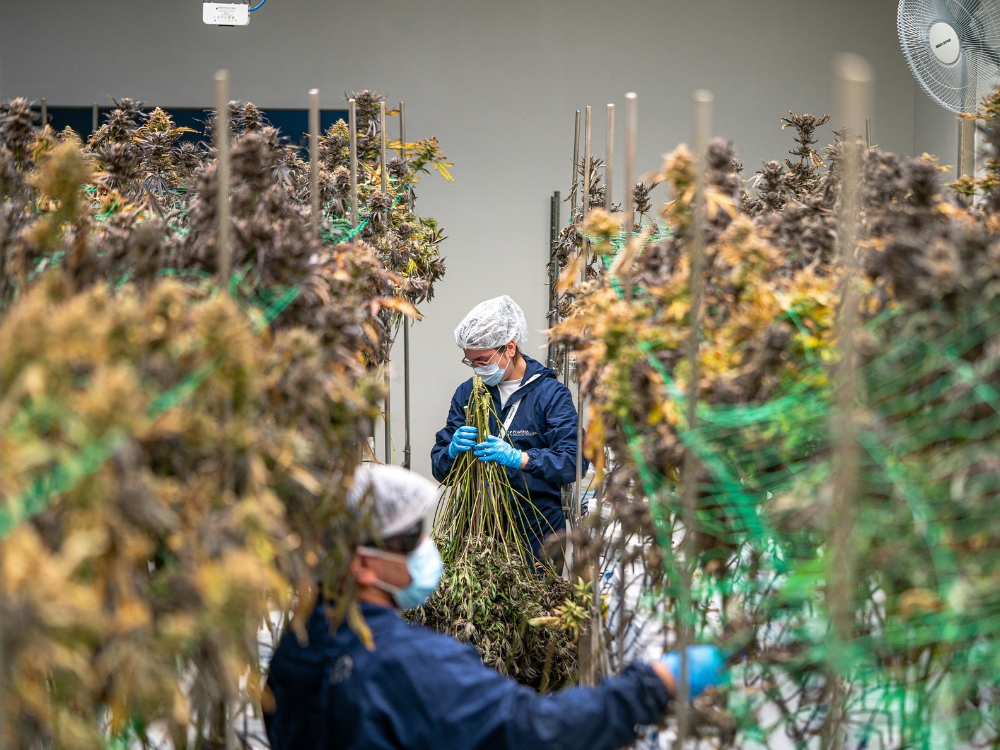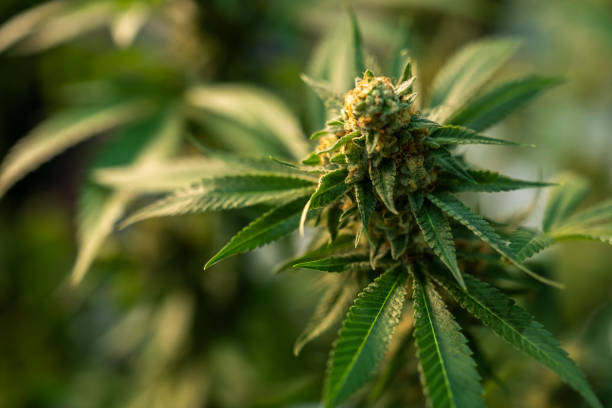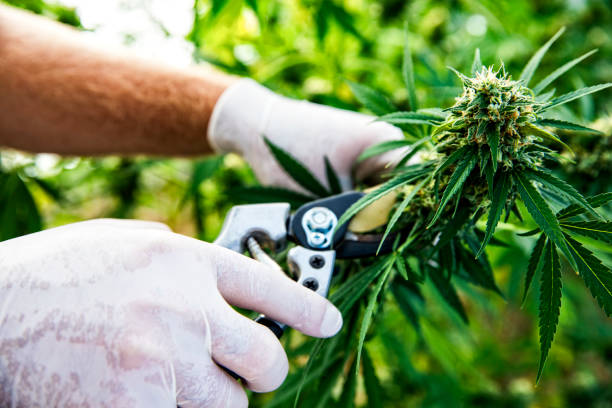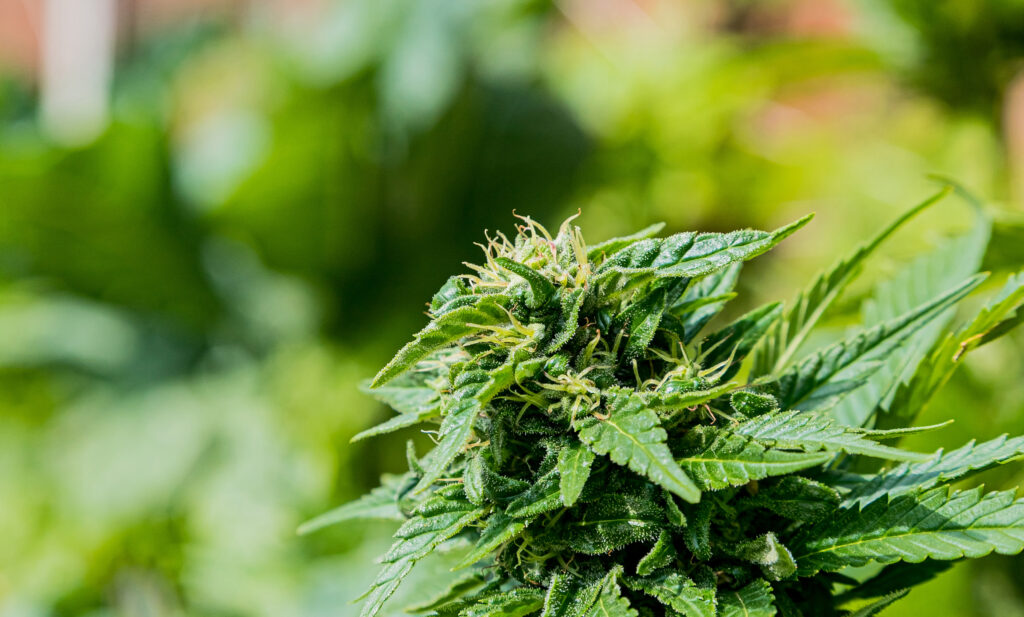



Well, folks, grab your favorite strain and settle in because we’re about to witness one of the most spectacular corporate face-plants in cannabis history. Ayr Wellness, once the golden child of the multistate operator world, just got absolutely demolished by its own creditors in what can only be described as a financial bloodbath that would make even the most seasoned bankruptcy lawyers wince.
The Great Cannabis Debt Avalanche Strikes Again
Distressed marijuana multistate operator Ayr Wellness is now owned by its former creditors, and honestly, watching this trainwreck unfold feels like observing a slow-motion car crash where everyone saw it coming but nobody could hit the brakes in time.
Following through on “restructuring” plans partially triggered by a debt crunch, Ayr’s senior note holders scooped up assets and equity interests held by the multistate operator in seven states via a foreclosure auction on Tuesday. If that sentence doesn’t make your wallet nervous, you’re either incredibly wealthy or blissfully unaware of how brutal the cannabis finance world has become.
The kicker? Terms, such as the sale price, were not announced, but senior note holders had $387 million in credit available toward a purchase. That’s not chump change we’re talking about that’s “buy a small island” money being thrown around like Monopoly bills in a game where everyone’s about to lose.
Final transfer of Ayr’s licenses is subject to regulator approval, because apparently even in corporate death, the cannabis industry has more red tape than a crime scene. The foreclosure sale represents just one step toward the eventual “winding down” of Ayr as currently incorporated, which is corporate speak for “this company is toast, folks.”
From Cannabis Royalty to Corporate Zombie: The Ayr Wellness Tragedy
Let me paint you a picture of just how far this company has fallen. At the market’s peak in 2021, Ayr’s shares traded above $35. On Wednesday, they closed below $0.02 effectively making them worth less than the paper they’re theoretically printed on.
That’s not a typo. We’re talking about a stock that went from thirty-five dollars to two cents. If you want a visual representation of the cannabis industry’s volatility, there it is, painted in red ink across every investor’s portfolio who believed in this particular dream.
As of mid-2024, Ayr carried $358 million in debt maturing by 2026, and let me tell you, when you’re burning cash faster than you can roll joints, $358 million starts looking like Mount Everest when you’re stuck in a financial valley with no climbing gear.
For the time being, interim CEO Scott Davido announced that Ayr Wellness will continue operating in certain states while working on the transfer to a new corporate entity. Translation: “We’re keeping the lights on while the new owners figure out what parts of this mess are worth salvaging.”
The New Owners Get a Cannabis Fire Sale of Epic Proportions
The new company, controlled by Ayr’s former creditors, just scooped up what might be the deal of the century in the cannabis industry. According to the company, creditors now control Ayr’s holdings across seven states, and it’s quite the portfolio:
Florida: 66 medical marijuana dispensaries in the state that’s basically the promised land for cannabis businesses if you can navigate the regulatory maze without losing your sanity.
Massachusetts: Where the company had to announce the closure of a 217,800-square foot cultivation operation in August. Nothing says “we’re in trouble” like shutting down a facility the size of several football fields.
New Jersey: Three adult-use stores in a state where cannabis consumers are finally getting the quality terpene profiles they deserve.
Nevada: Where they also had to announce plans to lay off workers. Because nothing says “corporate health” like pink slips in Sin City.
Pennsylvania: Six MMJ dispensaries serving medical patients who rely on consistent access to their medicine.
Ohio: Seven MMJ dispensaries in a market that’s been steadily growing its medical program.
Virginia: Here’s where it gets interesting. The company holds one of only five vertically integrated MMJ permits, and adult-use cannabis sales are expected to finally begin as soon as next year. Talk about timing this could be either a goldmine or fool’s gold, depending on how the political winds blow.
The Domino Effect: When One Giant Falls, Others Feel the Tremors
What makes this Ayr Wellness collapse particularly sobering is that it’s not happening in isolation. We’re witnessing what industry insiders are calling a debt avalanche bearing down on the U.S. cannabis market to the tune of roughly six billion dollars coming due by the end of 2026.
Think about that for a moment. Six billion dollars. That’s more money than some small countries’ entire GDP, and it’s all hanging over the cannabis industry like a sword of Damocles made of unpaid invoices and promissory notes.
Despite its financial challenges, the cannabis industry remains a significant economic force, generating $32 billion in revenue and employing more than 400,000 people in 2024. But when you’ve got companies carrying debt loads that would make a small nation nervous, even those impressive numbers start looking shaky.
The brutal reality is that cannabis operators face limited access to traditional capital sources, making them more dependent on expensive debt financing. It’s like trying to run a marathon while carrying a refrigerator on your back eventually, something’s got to give.
The Virginia Wild Card: Could This Be a Hidden Gem?
Here’s where the story gets genuinely interesting, and maybe a little hopeful. According to interim CEO Scott Davido, the restructuring deal will allow Ayr’s next iteration to cut its debt by 50% while also investing in Virginia.
Virginia represents a fascinating opportunity in the cannabis market. The state has been moving cautiously toward adult-use legalization, and holding one of only five vertically integrated permits puts the new ownership in an enviable position if and when the market fully opens up.
The question is: can the new ownership group turn this potential into profit, or will Virginia become another expensive lesson in cannabis industry timing? Given that the company has yet to begin operations in the state, this is essentially a bet on future potential rather than current performance.
The Asset Fire Sale: Everything Must Go!
Before this final foreclosure spectacle, Ayr had already been selling off pieces of itself like a desperate person at a yard sale. As of last month, Ayr had already sold off assets across multiple states:
Massachusetts: Cultivation/manufacturing facilities and medical-only Needham dispensary went on the chopping block.
Pennsylvania: Three PA Natural stores and a cultivation facility in Pottsville got the axe.
Nevada: Cultivation and processing facilities were sacrificed to the debt gods.
New Jersey: A Lakewood cultivation facility was tossed into the fire sale.
Connecticut: One retail location got the boot.
It’s like watching someone sell their furniture, then their car, then their house, all while insisting they’re just “rightsizing” their lifestyle. Sometimes corporate euphemisms can’t hide the brutal mathematics of insolvency.
The Broader Cannabis Debt Crisis: A $6 Billion Ticking Time Bomb
Let’s zoom out for a moment and talk about the elephant in the room. A debt avalanche is bearing down on the U.S. cannabis market to the tune of roughly six billion dollars coming due by the end of 2026, with the top five borrowers each a multi-state operator accounting for about $3.4 billion.
This isn’t just about Ayr Wellness this is about an entire industry that grew too fast, borrowed too much, and is now facing a reckoning that could reshape the entire landscape of legal cannabis in America.
The sector’s reliance on costly debt, born of limited access to traditional capital, has set the stage for a potentially messy, uneven reckoning. When cannabis companies can’t access traditional banking and investment channels, they turn to expensive private debt that comes with interest rates that would make a loan shark blush.
The timing couldn’t be worse. The maturities bunch up into 2026, compressing the refinancing window and elevating risk across the ecosystem. It’s like musical chairs, but instead of chairs disappearing, it’s financing options, and instead of being out of the game, companies face potential extinction.
What This Means for Cannabis Consumers and Patients
Here’s the part that really matters: real people depend on these dispensaries for their medicine and their recreational cannabis needs. When a major MSO like Ayr goes through this kind of upheaval, it creates uncertainty for thousands of consumers who rely on consistent access to quality cannabis products.
Medical marijuana patients, in particular, often develop relationships with specific dispensaries and rely on consistent product availability. When ownership changes hands through foreclosure proceedings, there’s always a risk of disruption to supply chains, product availability, and even store closures during transitions.
The good news? The Company will continue operating the core Assets in the ordinary course during the transition. The new ownership has every incentive to keep profitable locations running smoothly after all, they just invested $387 million in this portfolio.
The Human Cost: Jobs and Livelihoods on the Line
Let’s not forget the human element in all this financial drama. The cannabis industry employed more than 400,000 people in 2024, and a significant portion of those jobs are tied to major MSOs like Ayr Wellness.
When companies go through restructuring and foreclosure proceedings, workers often bear the brunt of the cost-cutting measures. We’ve already seen Ayr announce layoffs in Nevada, and more could be coming as the new ownership evaluates which operations are profitable enough to maintain.
These aren’t just statistics these are budtenders, cultivation experts, processing technicians, security guards, administrators, and countless other professionals who chose to build careers in the legal cannabis industry. Many of them believed they were getting in on the ground floor of the next big American industry. Instead, they’re watching their employers get consumed by debt monsters.
The Regulatory Maze: Even Bankruptcy Has Red Tape
One of the most fascinating and frustrating aspects of this entire situation is how cannabis regulation complicates even financial distress. Cannabis companies and creditors must generally seek out bankruptcy alternatives in order to deal with insolvency and restructuring because traditional bankruptcy protections don’t apply to federally illegal businesses.
This means cannabis insolvency is inherently risky if debtors and creditors don’t intimately know the regulatory ins and outs of how a cannabis company’s major assets, regulatory licenses, equity, and inventory, can be sold or restructured while dealing with state courts, specialized cannabis rules, and cannabis regulators.
It’s like trying to perform surgery while wearing oven mitts possible, but unnecessarily complicated and prone to unexpected problems.
Silver Linings in the Smoke: Opportunities in Crisis
Here’s where I’ll inject a bit of cautious optimism into this tale of financial woe. The restructuring plan will reportedly cut the company’s debt burden by half and allow new investment. Sometimes, a good foreclosure can be like a forest fire necessary destruction that clears the way for healthier growth.
The new ownership group gets to take over established operations without the crushing debt load that killed the previous iteration. They’re essentially buying a proven business model at a steep discount, with the infrastructure and regulatory approvals already in place.
For consumers, this could mean more stable operations, better-funded stores, and potentially improved product selection as the new owners invest in quality cannabis offerings without the constant pressure of overwhelming debt service.
Lessons for the Cannabis Industry: Growing Pains or Terminal Illness?
The Ayr Wellness collapse offers some stark lessons for the broader cannabis industry. First, rapid expansion without sustainable cash flow is a recipe for disaster, no matter how promising the market looks on paper.
Second, the cannabis industry’s limited access to traditional financing creates a dangerous dependence on expensive debt that can quickly become unsustainable when markets tighten or expansion plans don’t materialize as expected.
Third, federal reform such as the SAFE Banking Act or marijuana rescheduling could alleviate the sector’s financial strain by enabling access to banking services and reducing compliance costs. But betting your business model on political changes that may or may not happen is like building your house on quicksand.
The Road Ahead: Survival of the Financially Fittest
As we watch this cannabis debt crisis unfold, it’s becoming clear that only the most financially disciplined operators will survive. Companies that get ahead of maturities, prove cash discipline, and work collaboratively with lenders will survive and even scale.
The cannabis industry is experiencing growing pains that were probably inevitable given its unique legal status and rapid growth trajectory. Companies like Ayr Wellness that grew too fast and borrowed too much are getting culled from the herd, making room for more sustainable operators.
The key to survival lies in early action, strategic planning and collaboration with experienced partners. Companies that can demonstrate consistent cash flow, reasonable debt levels, and realistic expansion plans will be the ones that emerge stronger from this industry-wide reckoning.
The New Cannabis Reality: Sustainable Growth or Bust
The Ayr Wellness foreclosure represents more than just one company’s financial failures it’s a warning shot across the bow of the entire cannabis industry. The 2026 debt wall will catalyze a shakeout less about whether capital is available, and more about who’s earned it.
We’re witnessing the end of the “grow at all costs” mentality that dominated the early days of legal cannabis. The new reality rewards sustainable business models, conservative expansion, and strong cash flow management over flashy growth projections and ambitious acquisition sprees.
For investors, this means taking a much harder look at balance sheets and debt-to-equity ratios. For consumers, it might mean fewer dispensary locations but hopefully more stable, well-run operations. For the industry as a whole, it’s a painful but probably necessary maturation process.
The Virginia Opportunity: A Phoenix Rising from Financial Ashes?
Let’s circle back to what might be the most intriguing aspect of this whole mess: Virginia. Adult-use cannabis sales are expected to finally begin as soon as next year, and the new ownership group just acquired one of only five vertically integrated licenses in the state.
If Virginia’s adult-use market launches successfully, this foreclosure deal could end up looking like the steal of the decade. The new owners get established infrastructure, experienced staff, and regulatory approval at a fraction of what it would cost to build from scratch.
Of course, that’s a big “if.” Cannabis markets have a way of developing more slowly and generating less revenue than projected. But for operators willing to play the long game, Virginia could provide the cannabis market opportunities that justify this massive investment.
Final Thoughts: The Cannabis Industry Grows Up (Painfully)
The Ayr Wellness foreclosure isn’t just a business story it’s a coming-of-age tale for an entire industry. The cannabis industry’s debt crisis is a ticking time bomb, but it’s also a necessary correction that will separate sustainable businesses from unsustainable ones.
For those of us who believe in the long-term potential of legal cannabis, watching companies like Ayr get consumed by their own debt is both heartbreaking and instructive. It reminds us that even in a growth industry with enormous potential, basic business fundamentals still matter.
Cash flow beats projections. Sustainable growth trumps rapid expansion. And sometimes, the best thing that can happen to a struggling company is new ownership with deep pockets and realistic expectations.
The cannabis industry will survive this debt crisis, but it will emerge looking very different from the Wild West landscape we’ve grown accustomed to. Companies that focus on quality products, sustainable operations, and reasonable debt levels will inherit the market.
As for Ayr Wellness? The name might survive, but the company we knew is gone, consumed by its own ambitions and the brutal mathematics of unsustainable debt. It’s a cautionary tale wrapped in a foreclosure notice, served with a side of expensive legal fees and a garnish of regulatory complexity.
Welcome to the new cannabis industry, where financial discipline matters as much as quality flower, and where yesterday’s high-fliers can become tomorrow’s cautionary tales faster than you can say “restructuring support agreement.”
For more insights into the evolving cannabis industry, terpene science, and market analysis, keep following World of Terpenes your guide to understanding the complex world of cannabis business and science.
References:
- AYR Wellness Inc. official press releases and SEC filings
- Cannabis industry debt crisis analysis from HBK and Cannabis Industry Insights
- Cannabis receivership and insolvency legal analysis
- Industry employment and economic impact data
This article represents editorial opinion and analysis based on publicly available information. For investment advice or legal guidance regarding cannabis industry finances, consult with qualified professionals.